Expert Brooklyn Roofing Contractor

Blog

What To Expect During A Roof Installation

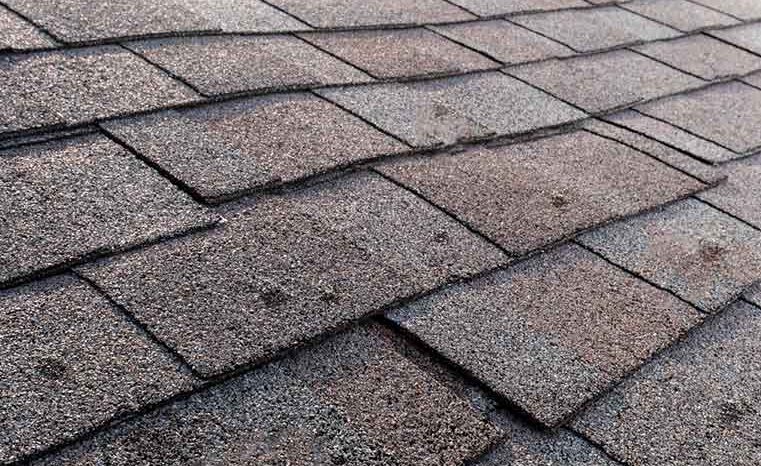
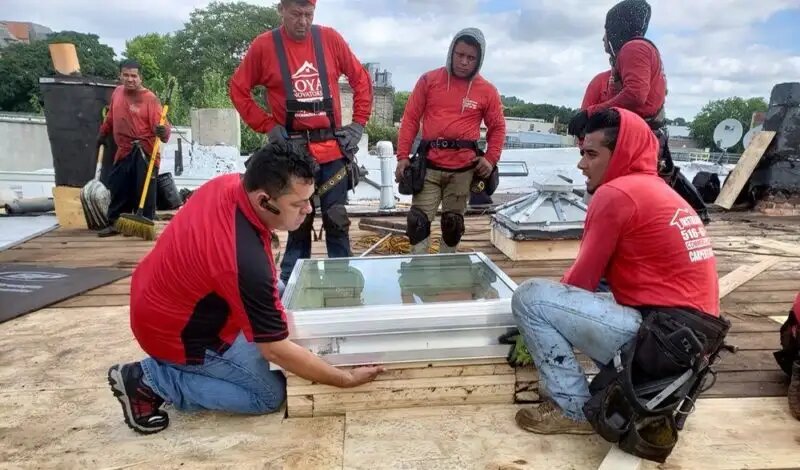
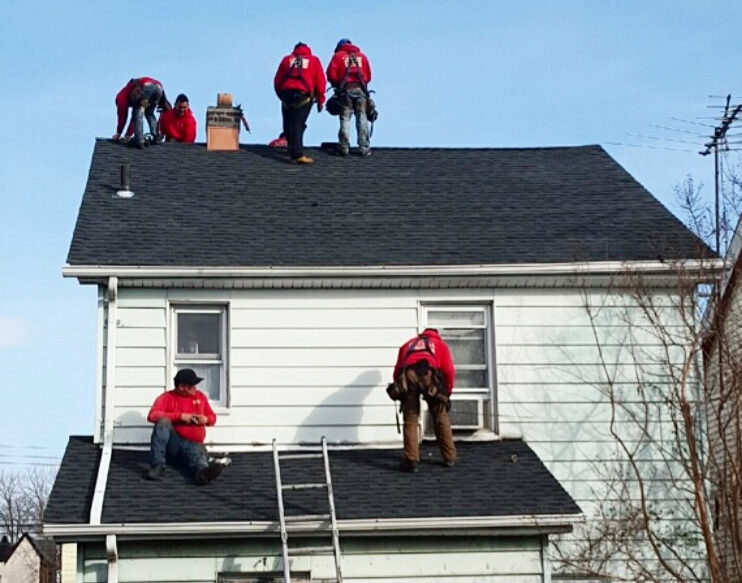
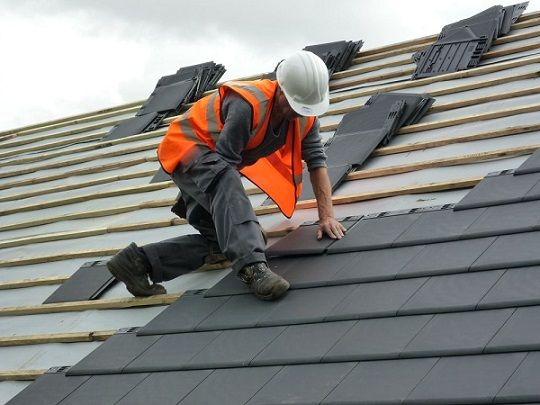
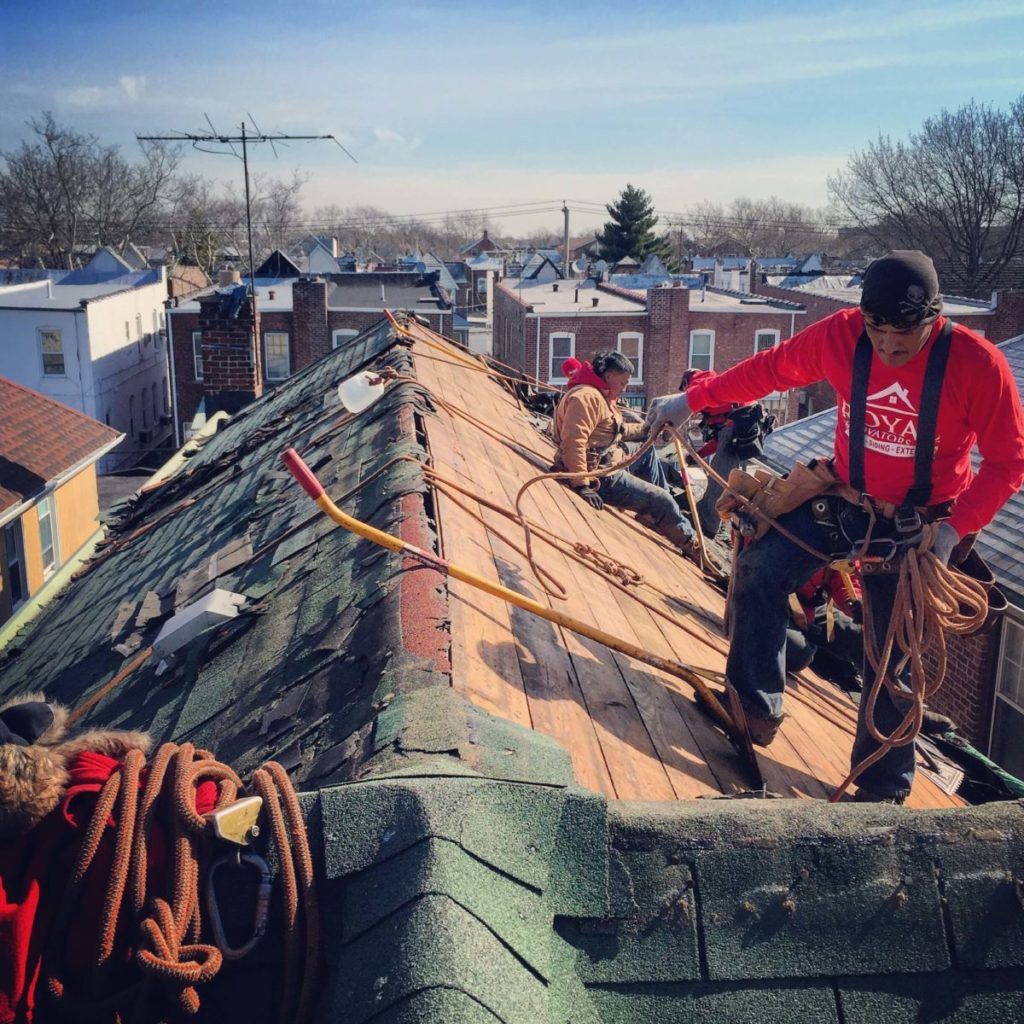
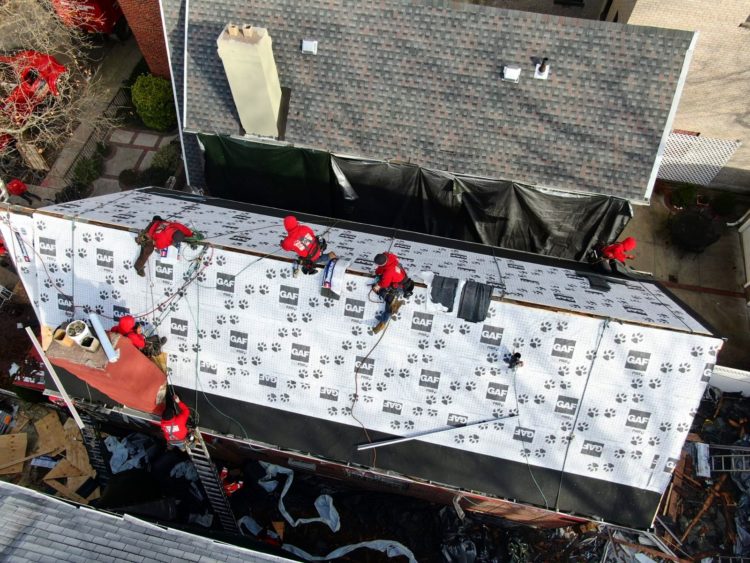
A roof installation is a significant home improvement, and it can feel overwhelming if you don’t know what to expect. Understanding the process ahead of time helps reduce stress, set realistic expectations, and ensure the project runs smoothly. When handled by a professional roofer, A roof installation is a carefully planned process designed to protect your home and ensure lasting results. Here’s a step-by-step overview of what usually happens during the project. Initial Inspection and Preparation Before starting, the roofing team inspects your roof to assess its condition and define the project scope. This includes checking the decking, flashing, ventilation, and any problem areas. Once the plan is finalized, the crew prepares your property by covering landscaping, windows, and siding to protect them from debris. You may be asked to move vehicles and secure fragile items, as work vibrations can cause minor disturbances. Removing the Old Roof The first major step in a roof installation is removing the old roofing materials. Shingles, underlayment, and any damaged components are stripped away to reveal the roof deck. This process is essential because it allows the roofing team to identify hidden problems like rotted wood or moisture damage. Any compromised decking is repaired or replaced to provide a strong foundation for the new roof. Skipping this step can result in premature roof failure, making thorough removal and inspection absolutely critical. Installing Underlayment and Flashing Once the roof deck is properly prepared, a waterproof underlayment is installed to provide an added layer of protection against moisture. This barrier helps prevent water damage if moisture penetrates the outer roofing material. Flashing is then carefully placed around chimneys, vents, skylights, and roof edges. Properly installed flashing protects these vulnerable areas from leaks and is one of the most critical components of a long-lasting, reliable roofing system.. Installing New Roofing Materials With the foundation prepared, the new roofing materials are installed. Whether using asphalt shingles, metal panels, or another roofing system, the process follows precise layouts and manufacturer specifications to guarantee durability and weather resistance. This stage is the most visible part of the project and typically takes one to several days, depending on the roof’s size, complexity, and weather conditions. Final Inspection and Cleanup After installation, the roofing team conducts a final inspection to ensure all components are secure, properly sealed, and ready for long-term performance. Ventilation, flashing, and shingle alignment are carefully checked to ensure long-term performance and durability. Cleanup is also a key part of the process—nails, debris, and old materials are completely removed, leaving your property clean, safe, and ready to enjoy. Final Thoughts If you’re planning a new roof or considering an upgrade, taking the right steps early can make the entire process smooth, efficient, and worry-free. Contact a trusted roofing professional today at 553 Prospect Avenue Brooklyn NY 11215 (646)-838-0441 https://www.nyroofing.com to schedule a consultation.

EPDM vs TPO Roofing in NYC: Which Flat Roof System Lasts Longer?

Flat roofs dominate New York City’s residential and commercial buildings from Brooklyn brownstones to Queens apartment complexes and retail properties across the Bronx. When it comes time to install or replace a flat roof, property owners are often faced with the same question: EPDM or TPO — which flat roofing system lasts longer in NYC? Both materials are widely used, durable, and well-suited for urban environments. However, their performance, lifespan, maintenance needs, and cost vary depending on building type and local conditions. At NY Roofing, we install and repair both systems regularly. This guide breaks down EPDM vs TPO roofing in NYC, helping property owners make an informed, long-term decision. Why Material Choice Matters for Flat Roofing in NYC NYC presents unique challenges that directly affect flat roof lifespan: Freeze–thaw cycles that stress roofing membranes Heavy rain and snow accumulation UV exposure during hot summers Rooftop foot traffic and equipment Older building structures and drainage limitations Choosing the right flat roofing system isn’t just about upfront cost, it’s about durability, maintenance, and performance over decades. What Is EPDM Roofing? EPDM (Ethylene Propylene Diene Monomer) is a synthetic rubber roofing membrane commonly used on flat roofs. Key Characteristics of EPDM Black rubber membrane Installed in large sheets Seams sealed with adhesive or tape Highly flexible material EPDM has been used in NYC for decades and is known for its reliability. What Is TPO Roofing? TPO (Thermoplastic Polyolefin) is a newer flat roofing membrane designed to combine durability with energy efficiency. Key Characteristics of TPO White or light-colored membrane Heat-welded seams Reflective surface Lightweight and flexible TPO has gained popularity in NYC due to rising energy costs and cooling efficiency concerns. EPDM vs TPO: Lifespan Comparison EPDM Roofing Lifespan Average lifespan: 20–30 years Proven performance record Excellent flexibility in cold temperatures EPDM performs exceptionally well during NYC winters because it remains flexible even in freezing conditions. TPO Roofing Lifespan Average lifespan: 20–25 years Seam strength depends on installation quality Performs well in heat but can stiffen in extreme cold When properly installed and maintained, both systems offer long service lives, but EPDM has a longer historical track record. Performance in NYC Weather Conditions Cold Weather Performance EPDM: Excellent flexibility; resists cracking TPO: Can become brittle if poorly formulated Heat & UV Resistance EPDM: Absorbs heat; may increase cooling costs TPO: Reflects sunlight; reduces building heat gain Snow & Rain Handling Both systems rely heavily on proper drainage. Ponding water affects lifespan more than material choice. Maintenance & Repair Considerations EPDM Maintenance Easy to repair with patches Simple seam repairs Lower long-term maintenance cost TPO Maintenance Requires heat welding for seam repairs Repairs must be done by trained professionals Seam failure more likely if poorly installed For NYC buildings where rooftop access is frequent, EPDM repairs are generally faster and simpler. Energy Efficiency Comparison EPDM Black surface absorbs heat Higher cooling costs in summer Can be coated with reflective material if needed TPO Naturally reflective Reduces HVAC workload Popular for retail and commercial buildings TPO is often chosen for energy savings, especially in buildings with high cooling demand. Installation Quality Matters More Than Material In NYC, installation quality is often more important than the material itself. Poor installation leads to: Seam failure Drainage problems Premature leaks Shortened roof lifespan  Working with experienced NYC flat roofing contractors ensures proper installation, code compliance, and long-term durability. Which Roofing System Is Better for Your NYC Property? EPDM Is Often Best If You Want: Proven long-term durability Excellent cold-weather performance Easy repairs Lower upfront costs TPO Is Often Best If You Want: Improved energy efficiency Reflective roofing surface Modern membrane technology Reduced cooling costs The right choice depends on building type, budget, and long-term goals. Why NY Roofing Helps NYC Property Owners Choose Right At NY Roofing, we don’t push one material over another. We assess: Roof structure Drainage design Building usage Energy efficiency goals Budget and timeline Our goal is long-term performance not short-term savings. Installation Quality Matters More Than Material In NYC, installation quality is often more important than the material itself. Poor installation leads to: Seam failure Drainage problems Premature leaks Shortened roof lifespan Working with experienced NYC flat roofing contractors ensures proper installation, code compliance, and long-term durability. Which Roofing System Is Better for Your NYC Property? EPDM Is Often Best If You Want: Proven long-term durability Excellent cold-weather performance Easy repairs Lower upfront costs TPO Is Often Best If You Want: Improved energy efficiency Reflective roofing surface Modern membrane technology Reduced cooling costs The right choice depends on building type, budget, and long-term goals. Why NY Roofing Helps NYC Property Owners Choose Right At NY Roofing, we don’t push one material over another. We assess: Roof structure Drainage design Building usage Energy efficiency goals Budget and timeline Our goal is long-term performance not short-term savings. Conclusion When comparing EPDM vs TPO roofing in NYC, there’s no one-size-fits-all answer. EPDM offers unmatched durability and ease of repair, while TPO delivers energy efficiency and modern performance. The key to a long-lasting flat roof isn’t just the material — it’s proper installation, drainage, and ongoing maintenance. With expert guidance from NY Roofing, NYC property owners can choose the flat roofing system that delivers lasting protection and value. EPDM vs TPO Roofing FAQs Which flat roofing system lasts longer, EPDM or TPO? EPDM typically lasts slightly longer due to its proven track record and flexibility in cold climates like NYC. Is TPO better than EPDM for energy efficiency? Yes. TPO reflects sunlight and helps reduce cooling costs, making it more energy-efficient. Which flat roof is easier to repair? EPDM is generally easier and faster to repair than TPO. Can EPDM or TPO be used on residential buildings? Yes. Both systems are suitable for residential and commercial flat roofs in NYC.

Commercial Flat Roofing in NYC: Best Solutions for Retail & Apartment Buildings

Commercial buildings across New York City rely heavily on flat roofing systems. From street-level retail spaces to multi-story apartment buildings, flat roofs are the most practical and widely used roofing solution in dense urban environments like NYC. However, commercial flat roofing requires specialized expertise. Poor installation, improper drainage, or delayed maintenance can quickly lead to leaks, business disruption, tenant complaints, and expensive repairs. At NY Roofing, we specialize in commercial flat roofing in NYC, helping property owners, landlords, and facility managers choose the right roofing systems for long-term performance. This guide explains the best flat roofing solutions for retail and apartment buildings, what makes them effective in NYC, and how to protect your investment. Why Flat Roofing Dominates Commercial Buildings in NYC Flat roofs are preferred for commercial properties because they offer: Cost-effective installation Easier access for maintenance Space for HVAC units and equipment Efficient use of building footprint Compatibility with NYC building designs Retail buildings and apartment complexes across Brooklyn, Queens, Bronx, and Manhattan rely on flat roofs to support daily operations and long-term durability. Unique Challenges of Commercial Flat Roofing in NYC NYC presents challenges that directly impact flat roofing systems: Heavy rain and snow accumulation Freeze–thaw cycles Rooftop foot traffic Older building structures Strict NYC Department of Buildings regulations Without proper material selection and professional installation, flat roofs are vulnerable to premature failure. Best Commercial Flat Roofing Systems for NYC Buildings Choosing the right flat roofing system depends on building type, budget, and long-term goals. Below are the most effective options for NYC retail and apartment buildings. 1. EPDM Rubber Roofing EPDM (Ethylene Propylene Diene Monomer) is one of the most widely used flat roofing materials in NYC. Why EPDM Works Well in NYC Excellent weather resistance Flexible in extreme temperatures Long lifespan (20–30 years) Cost-effective repairs EPDM is especially popular for apartment buildings due to its durability and ease of maintenance. 2. TPO Roofing Systems TPO (Thermoplastic Polyolefin) roofing is a modern, energy-efficient flat roofing solution. Benefits of TPO Roofing Highly reflective surface reduces cooling costs Strong heat-welded seams Resistant to UV rays and chemicals Ideal for retail buildings with high energy usage TPO roofing helps NYC property owners improve energy efficiency while maintaining durability. 3. Modified Bitumen Roofing Modified bitumen is a multi-layer asphalt-based system commonly found on older NYC buildings. Why Property Owners Choose It Strong waterproofing High puncture resistance Excellent for high foot-traffic roofs Reliable performance in cold climates It’s often used for commercial roof replacement in NYC when upgrading older systems. Flat Roofing Solutions for Retail Buildings Retail properties face unique challenges, including: Rooftop HVAC units High interior foot traffic sensitivity Need for minimal business disruption Customer safety concerns The best flat roofing solutions for retail buildings prioritize: Fast installation Minimal odor and noise Strong leak protection Easy maintenance EPDM and TPO systems are most commonly recommended for retail spaces. Flat Roofing Solutions for Apartment Buildings Apartment buildings require flat roofing systems that protect multiple units below. Key priorities include: Long-term waterproofing Drainage efficiency Mold and moisture prevention Quiet installation for tenants EPDM and modified bitumen systems are often the best fit for apartment complexes across NYC. Importance of Drainage in Commercial Flat Roofing Poor drainage is the leading cause of flat roof failure in NYC. Professional flat roofing services address: Clogged or undersized drains Ponding water issues Improper roof slope Structural settling Correct drainage design is essential for extending roof lifespan. Commercial Flat Roof Maintenance & Inspections Routine maintenance helps prevent costly repairs and premature replacement. NY Roofing recommends: Semi-annual roof inspections Post-storm inspections Drain and scupper cleaning Seam and flashing checks Preventive maintenance is far more affordable than emergency repairs. Signs Your Commercial Flat Roof Needs Repair or Replacement Property owners should watch for: Persistent leaks Ponding water Cracked or blistered membrane Rising energy costs Interior ceiling stains Mold or mildew odors Early action reduces downtime and repair costs. Why Choose NY Roofing for Commercial Flat Roofing in NYC NY Roofing is trusted by NYC property owners because: We specialize in commercial flat roofing systems Our crews understand NYC building codes We work with retail and apartment properties daily We provide honest recommendations Our work is warranty-backed We focus on long-term performance, not quick fixes. Conclusion Commercial flat roofing plays a critical role in protecting NYC retail and apartment buildings. Choosing the right roofing system, maintaining proper drainage, and working with experienced professionals ensures long-term durability and cost control. With expert commercial flat roofing in NYC, NY Roofing helps property owners safeguard their buildings with reliable, code-compliant solutions built for New York’s demanding environment. Commercial Flat Roofing FAQs What is the best flat roofing system for commercial buildings in NYC? EPDM, TPO, and modified bitumen are the most reliable flat roofing systems for NYC commercial buildings. How long does a commercial flat roof last? Most commercial flat roofs last between 20–30 years depending on material, maintenance, and weather exposure. How often should commercial flat roofs be inspected? Commercial flat roofs should be inspected at least twice per year and after major storms. Can commercial flat roofs be repaired instead of replaced? Yes. Many flat roof issues can be repaired if the system is structurally sound and not near the end of its lifespan.

Simple Roof Maintenance Tips That Save You Money

Keeping your roof in good shape doesn’t have to be complicated or expensive. In fact, a little routine care can prevent major problems and save you thousands of dollars over the life of your home. While there are times you’ll need a professional roofing company for inspections, repairs, or replacements, many basic maintenance steps are simple enough for most homeowners to handle themselves—with the right precautions. Here are practical, money‑saving roof maintenance tips that can help extend the life of your roof and protect your investment. Inspect Your Roof Regularly (From the Ground First) You don’t have to climb onto your roof to spot early warning signs of trouble. Start with a visual inspection from the ground: - Look for missing, curled, cracked, or damaged shingles. - Check for dark streaks or patches that might indicate algae or moisture issues. - Scan for sagging areas or uneven sections. Use binoculars if you have them; they allow you to see more detail without risking a fall. If you notice anything that looks serious or widespread, that’s a good time to bring in a professional for a closer look. Keep Gutters Clean and Flowing Clogged gutters are one of the most common and preventable causes of roof and water damage. When gutters are blocked by leaves, twigs, and debris, water backs up under the shingles and can: - Rot fascia boards and roof decking - Cause leaks inside walls and ceilings - Lead to foundation and basement problems Plan to clean your gutters at least twice a year—usually in late spring and late fall—and more frequently if trees are near your home. While cleaning: - Clear out leaves and debris manually or use a gutter scoop to do the job. - Flush the gutters with a hose to check for unrestricted water flow. - Ensure downspouts carry water several feet away from the foundation. - Check for loose or sagging sections and reattach them securely. Consider installing gutter guards if your gutters clog frequently; they can reduce cleaning time and help prevent overflow. Trim Overhanging Branches Trees add beauty and shade, but overhanging limbs can be hard on your roof: - Falling branches can crack or puncture shingles. - Constant rubbing from branches can wear away protective granules. - Leaves pile up, trap moisture, and encourage mold or rot. - Branches provide a pathway for squirrels and other animals to access your roof. Trim branches so they’re at least several feet away from the roof surface. For small, easily accessible limbs, careful DIY trimming may be fine. For larger trees or branches near power lines, hire a qualified tree service to avoid injury and property damage. Check and Maintain Roof Flashing Flashing is the thin metal material installed around chimneys, skylights, roof valleys, and vents. Its job is to direct water away from vulnerable seams and joints. Damaged or poorly installed flashing is one of the most common sources of leaks. Periodically check: - For gaps, cracks, or lifting around flashing. - For rust or corrosion on metal components. - For missing or dried-out sealant. If you’re comfortable on a ladder and working at heights, small gaps can sometimes be resealed with a high-quality exterior sealant. However, if flashing looks significantly damaged or loose, it’s usually best to have a professional repair it properly. Correct flashing work can prevent costly interior water damage. Keep Roof Surfaces Clean—But Gently Moss, algae, and debris buildup not only make your roof look older, they can also trap moisture and shorten its lifespan. However, cleaning must be done carefully: Avoid: - Pressure washing: It can strip protective granules from shingles and drive water under them. - Harsh scrubbing: This can damage the surface of shingles. Better approaches: - For moss and algae, apply a roof-safe cleaning solution (following manufacturer instructions) and gently rinse with a garden hose from top to bottom. - Consider installing zinc or copper strips near the ridge line; rainfall helps distribute metallic ions that inhibit moss and algae growth. If the roof is steep, high, or slippery—or if you’re unsure how to proceed—hire a professional to clean it safely. Watch for Interior Warning Signs Sometimes, the first clues of a roofing problem show up inside your home, not outside. Regularly check: - Check ceilings and upper walls for water stains, discoloration, or peeling and bubbling paint. - Attic spaces for damp insulation, mold, or musty odors. - Attic rafters and sheathing for dark spots or signs of rot. - Daylight shining through roof boards. These symptoms often indicate a small leak or ventilation issue that, if caught early, can be repaired relatively inexpensively. Ignoring them can lead to structural damage, mold growth, and major repair bills. Ensure Proper Attic Ventilation and Insulation A healthy roof depends on what happens underneath it, too. Poor attic ventilation and insulation can: - Cause heat buildup that bakes shingles from below. - Lead to ice dams in winter as snow melts and refreezes at the eaves. - Increase your energy bills year‑round. To improve conditions: - Ensure the soffit and ridge vents are clean, open, and free from any blockages. - Do not cover or obstruct vents with insulation or stored belongings. - Check that attic insulation is evenly distributed and at the recommended depth for your climate. By combining smart DIY care with expert support when needed, you’ll extend the life of your roof, prevent costly damage, and protect the home and family that roof is there to shelter. Reach out to a trusted local roofing company like us at 553 Prospect Avenue Brooklyn NY 11215 (646)-838-0441 https://www.nyroofing.com for a professional inspection and personalized recommendations.

Flat Roof Leaks in NYC: Causes, Warning Signs, and Long-Term Fixes

Flat roofs are extremely common across New York City, especially in Brooklyn, where multi-family buildings, brownstones, apartment complexes, and commercial properties dominate the landscape. While flat roofs offer practical advantages, they are also more vulnerable to leaks if not properly installed or maintained. A small flat roof leak may seem harmless at first, but in NYC’s climate where heavy rain, snow, humidity, and temperature swings are constant it can quickly escalate into interior water damage, mold growth, and structural deterioration. At NY Roofing, we specialize in flat roof leak repair in NYC, helping Brooklyn property owners identify issues early and implement long-term solutions instead of temporary patches. This guide explains the most common causes of flat roof leaks, the warning signs to watch for, and how professional repairs protect your property long term. Why Flat Roof Leaks Are So Common in Brooklyn Flat roofs are designed with minimal slope to allow water drainage, but even slight issues can prevent proper runoff. In Brooklyn, flat roofs face additional challenges such as: Older building structures Aging roofing membranes Heavy rooftop equipment (HVAC units, satellite dishes) Poor drainage systems Harsh seasonal weather Because water doesn’t naturally shed as easily as on pitched roofs, flat roofing systems require careful installation and routine maintenance to remain watertight. Common Causes of Flat Roof Leaks in NYC Understanding the root cause of a flat roof leak is essential for permanent repair. Here are the most common issues we see across Brooklyn properties. 1. Ponding Water Ponding water occurs when rainwater remains on the roof for more than 48 hours. Over time, standing water weakens roofing membranes and causes seams to fail. Why it happens: Improper roof slope Blocked drains or scuppers Structural settling Ponding water is one of the leading reasons property owners need flat roof repair in Brooklyn. 2. Cracked or Aging Roofing Membrane Most flat roofs use materials like EPDM, TPO, or modified bitumen. While durable, these materials deteriorate over time. Common issues include: Cracks from temperature changes Shrinkage pulling seams apart UV damage weakening membrane integrity Once the membrane fails, water seeps directly into the roof system. 3. Damaged Flashing and Roof Penetrations Flashing protects vulnerable areas around: Chimneys Skylights HVAC units Vent pipes In Brooklyn’s older buildings, flashing often becomes loose, rusted, or cracked allowing water to enter beneath the roofing layers. 4. Clogged or Poor Drainage Systems Flat roofs rely heavily on internal drains and scuppers. When these become blocked by debris, water backs up and forces its way into seams or weak points. Routine maintenance is critical to prevent drainage-related leaks. 5. Improper Repairs or Patchwork Temporary patches may stop leaks briefly but often fail within months. We frequently see multiple patch layers trapping moisture beneath the roof surface leading to larger, more expensive repairs later. Warning Signs of a Flat Roof Leak Flat roof leaks aren’t always obvious at first. Watch for these early warning signs: Water stains on ceilings or walls Bubbling or blistering on the roof surface Mold or mildew odors Peeling paint indoors Dripping water after rainfall Soft or spongy roof areas If you notice any of these, it’s important to schedule professional flat roof leak repair in NYC immediately. Why Flat Roof Leaks Should Never Be Ignored Delaying repairs can lead to: Structural wood rot Insulation failure Mold growth (a serious health risk) Electrical hazards Interior property damage Higher long-term repair costs In Brooklyn’s dense housing environment, a single roof leak can impact multiple units below. Long-Term Flat Roof Leak Repair Solutions At NY Roofing, we focus on permanent fixes not temporary patches. Our long-term solutions include: 1. Professional Flat Roof Inspection We identify: Membrane damage Drainage issues Structural weaknesses Hidden moisture intrusion Accurate diagnosis ensures the right repair strategy. 2. Seam & Membrane Restoration For EPDM and TPO roofs, we: Re-seal seams Repair punctures Apply protective coatings This restores waterproof integrity without full replacement when possible. 3. Drainage Corrections We improve water flow by: Clearing drains Adjusting slope Installing additional drainage points if needed Proper drainage prevents future leaks. 4. Flashing Replacement & Reinforcement We replace damaged flashing with modern, durable materials designed for NYC conditions. 5. Flat Roof Replacement (When Necessary) If the roof has extensive damage or is near the end of its lifespan, replacement may be the most cost-effective long-term solution. Why Choose NY Roofing for Flat Roof Repair in Brooklyn Brooklyn property owners choose NY Roofing because: We specialize in NYC flat roofing systems Our crews understand local building structures We follow NYC Department of Buildings regulations We offer honest assessments and upfront pricing Our repairs are built to last We don’t upsell unnecessary work only what your roof actually needs. Conclusion Flat roof leaks are one of the most common and costly roofing issues in Brooklyn and across NYC. While small leaks may seem manageable, ignoring them often leads to serious damage and expensive repairs. With expert flat roof leak repair in NYC, NY Roofing helps Brooklyn homeowners and property managers protect their buildings with long-term, reliable solutions. From inspections and drainage corrections to membrane restoration and full replacements, our team ensures your flat roof stays watertight and secure for years to come. Concerned about flat roof leaks or ongoing water damage in your Brooklyn property?  Contact a trusted NYC roofing expert today for a professional flat roof inspection and long-term repair solution. Call NY Roofing at (646) 838-0441 or visit https://www.nyroofing.com/ to schedule an assessment. Our experienced team will identify the root cause of your flat roof issues and provide durable, cost-effective repairs that protect your building and prevent future leaks. Flat Roof Leak Repair FAQs What causes flat roof leaks in NYC? Flat roof leaks are commonly caused by ponding water, aging membranes, damaged flashing, clogged drains, and improper past repairs. Can a flat roof leak be repaired without replacing the entire roof? Yes. Many flat roof leaks can be permanently repaired if the membrane and structure are still in good condition. How quickly should flat roof

How Often Should You Replace a Roof in NYC? A Borough-by-Borough Guide

Replacing a roof is one of the biggest investments a homeowner can make and in New York City, knowing when to replace your roof is just as important as knowing how. NYC’s unique climate, dense building styles, and aging housing stock mean roofs here often face more stress than in other parts of the country. From flat roofs in Queens and Brooklyn to pitched shingle roofs in Staten Island and Long Island, roof lifespan varies widely depending on materials, weather exposure, and maintenance. At NY Roofing, we help homeowners across all five boroughs make informed decisions about roof replacement before small issues turn into major expenses. This guide breaks down how often you should replace a roof in NYC, what affects roof longevity, and how replacement timelines differ by borough. 1. Average Roof Lifespan in NYC (By Roofing Material) The most important factor in determining when a roof should be replaced is the material used. Asphalt Shingle Roofs Average lifespan: 20–25 years Common in: Queens, Staten Island, Long Island Vulnerable to: Wind damage, UV exposure, moisture buildup Shingle roofs are affordable and reliable, but NYC’s freeze thaw cycles can shorten their lifespan without proper ventilation. Flat Roofs (EPDM, TPO, Modified Bitumen) Average lifespan: 20–30 years Common in: Brooklyn, Bronx, Manhattan, Queens Vulnerable to: Ponding water, membrane shrinkage, seam failure Flat roofs require more frequent inspections but can last longer when properly maintained. Metal Roofing Average lifespan: 40–70 years Less common but growing in popularity Resistant to extreme weather Slate & Tile Roofing Average lifespan: 50–100 years Found in historic NYC neighborhoods Requires specialized maintenance 2. How NYC Weather Impacts Roof Longevity NYC’s climate plays a major role in roof wear and tear. Winter Damage Snow buildup adds structural weight Ice dams force water under shingles Flashing becomes brittle and cracks Summer Heat UV rays dry out roofing materials Flat roof membranes expand and contract Higher cooling costs due to heat absorption Storms & High Winds Blow off shingles Tear flat roof membranes Damage flashing and roof edges These conditions mean NYC roofs often need replacement sooner than national averages. 3. Borough-by-Borough Roof Replacement Timeline Queens Mix of flat and shingle roofs Average replacement timeline: 20–25 years Common issues: flashing leaks, poor drainage on flat roofs Brooklyn Many brownstones and multi-family buildings Flat roofs dominate Replacement timeline: 20–30 years Bronx Older structures Higher moisture exposure Replacement often needed sooner if maintenance is neglected Manhattan High-rise buildings Strict building codes Replacement timelines vary but inspections are more frequent Staten Island & Long Island More pitched shingle roofs Longer lifespans with good ventilation Average: 25+ years 4. Warning Signs Your Roof Needs Replacement Even if your roof hasn’t reached its expected lifespan, these signs indicate replacement may be necessary: Frequent roof leaks Sagging roof deck Missing or curling shingles Flat roof ponding water Rising energy bills Mold or mildew in attic spaces Repairs becoming more frequent than replacement cost If you’re calling for roof repairs every year, replacement is usually the smarter long-term decision. 5. Repair vs Replacement: How to Decide Roof Repair Is Best When: Damage is localized Roof is under 15 years old No structural issues exist Roof Replacement Is Best When: Roof is near end-of-life Leaks are widespread Structural components are compromised Energy efficiency is poor A professional roof inspection helps determine the right choice. 6. Why Timely Roof Replacement Saves Money Delaying roof replacement can lead to: Interior water damage Mold growth Insulation failure Higher heating and cooling costs Structural repairs Replacing your roof at the right time protects your home’s value and prevents emergency expenses. 7. When Should You Schedule a Roof Inspection in NYC? You should schedule an inspection if: Your roof is 15+ years old After major storms Before buying or selling a home Energy bills increase unexpectedly You notice leaks or stains At NY Roofing, inspections provide clear, honest recommendations not pressure. Conclusion Knowing when to replace your roof is critical for protecting your NYC home from costly damage. By understanding material lifespan, borough-specific challenges, and early warning signs, homeowners can plan roof replacement at the right time — not during an emergency. At NY Roofing, we help NYC homeowners make confident, informed roofing decisions with expert inspections, transparent pricing, and durable replacement solutions designed for New York’s demanding climate. Roof Replacement FAQs for NYC Homeowners How often should a roof be replaced in NYC? Most roofs in NYC should be replaced every 20–30 years, depending on materials, maintenance, and weather exposure. Do flat roofs last longer than shingle roofs? Flat roofs can last longer if properly maintained, but they require more frequent inspections. Can roof replacement be done year-round in NYC? Yes. Roof replacement can be done year-round, though spring through fall offers ideal conditions. Is roof replacement covered by insurance? Insurance may cover storm-related damage, but normal wear and tear is typically not covered.

Storm Damage Roof Repair in NYC: What to Do After a Heavy Storm or Leak

NYC storms can cause sudden roof damage—from missing shingles to serious leaks. Acting quickly after a storm protects your home and prevents further destruction. NY Roofing specializes in storm damage roof repair in Queens and NYC, offering fast emergency response and expert restoration. 1. Prioritize Safety Avoid climbing onto the roof Watch for electrical hazards Use buckets to control leaks 2. Document the Damage Take photos of: Roof damage Fallen debris Interior leaks Ceiling stains Documentation helps insurance claims. 3. Temporary Protection Use tarps Move valuables Dry wet areas 4. Common NYC Storm Damage Wind-blown shingles Flat roof membrane tears Ponding water Flashing damage Tree branch impact 5. Why Immediate Repairs Matter Delays cause: Mold growth Structural rot Insurance claim denial Higher repair costs Call for emergency roof repair immediately. Conclusion Storm damage can’t wait. Quick action protects your home, your belongings, and your insurance coverage. NY Roofing delivers fast, professional storm damage roof repair across Queens and NYC—keeping homes safe after severe weather. Want to know more about NY Roofing, give us a call (646) 838-0441   Storm Damage Roofing FAQs How fast should storm damage be repaired? Immediately. Delays increase damage and repair costs. Does insurance cover storm damage? Most policies cover wind and storm-related roof damage. Can storm damage lead to roof replacement? Yes, severe damage may require full replacement instead of repairs.

Roof Inspection Checklist: What NYC Homeowners Should Expect from a Professional Roofer

Your roof is one of the most important parts of your home, yet it’s often the most overlooked until a leak appears. In New York City, where buildings face harsh winters, heavy rain, strong winds, and extreme summer heat, regular roof inspections are essential for preventing costly damage. At NY Roofing, we provide professional roof inspections across Queens, Brooklyn, Bronx, Manhattan, and Staten Island. Whether you’re maintaining an existing roof, buying a home, or dealing with storm damage, knowing what a proper roof inspection includes helps you make informed decisions and protect your investment. This checklist explains exactly what NYC homeowners should expect from a professional roofing inspection. 1. Why Roof Inspections Are Especially Important in NYC NYC roofs experience more stress than many other regions due to: Freeze–thaw cycles in winter Heavy snow accumulation High humidity in summer Strong coastal winds Flat and low-slope roof designs Older building structures Without routine inspections, small issues like cracked flashing or loose shingles can turn into major structural damage. 2. Exterior Roof Inspection Checklist A professional roofer begins by inspecting the roof’s exterior condition. a. Shingles or Roofing Surface Inspectors check for: Missing or cracked shingles Curling or blistering Granule loss Uneven wear On flat roofs, they inspect membranes for: Tears or punctures Seam separation Bubbling or lifting b. Flashing & Penetrations Flashing around chimneys, vents, skylights, and pipes is one of the most common leak sources in NYC homes. Roofers look for: Rusted metal Loose seals Cracks Improper installation c. Gutters & Drainage Proper drainage is critical—especially for flat roofs. Inspectors check: Clogged gutters Improper slope Downspout blockages Ponding water areas 3. Interior Inspection Checklist Roof inspections don’t stop outside. Interior signs often reveal hidden damage. a. Attic & Ceiling Areas Roofers look for: Water stains Mold or mildew Damp insulation Wood rot Sagging roof decking b. Ventilation & Insulation Poor ventilation causes moisture buildup and ice dams in winter. Inspectors evaluate: Attic airflow Exhaust vents Insulation condition Heat loss issues 4. Flat Roof Inspection (Common in NYC Buildings) Flat roofs require specialized inspection techniques. Professionals check for: Ponding water Drain blockages Membrane shrinkage Cracked seams Improper slope Rooftop equipment damage Flat roofs should be inspected twice per year and after major storms. 5. When Should NYC Homeowners Schedule a Roof Inspection? You should schedule a roof inspection if: Your roof is 10+ years old You notice leaks or stains After heavy storms Before buying or selling a home Energy bills increase unexpectedly Shingles appear damaged Flat roof shows pooling water Preventive inspections save thousands in repairs. 6. What Happens After the Inspection? A professional roofer provides: A detailed inspection report Photos of problem areas Repair vs replacement recommendations Cost estimates Maintenance suggestions At NY Roofing, we explain findings clearly no pressure, no hidden agendas. Conclusion Regular roof inspections are one of the smartest investments NYC homeowners can make. By identifying issues early, you protect your home, save money, and avoid emergency repairs. NY Roofing provides thorough, honest roof inspections across Queens and NYC helping homeowners stay ahead of costly problems. Want to know more about NY Roofing, give us a call (646) 838-0441 Roof Inspection FAQs How often should I get my roof inspected in NYC? At least once a year, and after major storms. Flat roofs should be inspected twice yearly. How long does a roof inspection take? Most inspections take 30–60 minutes depending on roof size and complexity. Can a roof inspection prevent roof replacement? Yes. Early detection allows repairs that can extend roof lifespan significantly.

Solar Panels And Flat Roofs: The Perfect Sustainable Match

If you’re thinking about adding solar to your building, a flat roof is often the easiest and most versatile place to do it but you’ll still want the guidance of a trusted roofing contractor to make sure the job is done right. Flat roofs offer large, unobstructed surfaces, ideal for efficient solar layouts, simplified maintenance, and creative system designs that maximize energy production without compromising the roof’s integrity. Below is a practical, design-forward guide to why flat roofs and solar panels are a natural pairing, what to consider, and how to get the best long-term results. Why flat roofs work so well for solar Flat roofs remove many of the common constraints that pitched roofs present: awkward hip and valley geometry, limited usable area because of adjacent slopes, and unpredictable shading. That simplicity translates into several practical advantages: Flexible array placement. Panels can be arranged in optimal groupings, oriented and tilted to match solar azimuth and seasonal sun angles rather than roof slope. Easier access for installation and maintenance. Technicians can work more comfortably and safely on flat surfaces, and equipment like racking and conduit runs can be staged more efficiently. Scalability. Large commercial flat roofs can host significant arrays that supply a building’s base load or feed into community solar projects. Amenity co-existence. Solar arrays can be combined with rooftop gardens, HVAC equipment, or rooftop decks using low-profile racking and thoughtful placement. Types of mounting systems for flat roofs Selecting the right mounting method matters for performance, costs, and roof longevity. The main approaches are: Ballasted mounts: Racks are weighted down (concrete blocks or ballast trays) to resist wind uplift without penetrating the roof membrane. Ballasted systems minimize roof penetrations, which is great for certain membrane types, but they add dead load and must be designed to prevent ponding or movement. Penetrating mounts (anchored): Racking is mechanically fastened to the roof structure and flashed or sealed at penetration points. This offers excellent wind resistance and often allows lower tilt angles with less ballast, but requires meticulous waterproofing at each penetration. Hybrid systems: Combine anchoring for wind-critical zones and ballast in other areas to reduce penetrations while maintaining secure attachment. Flush or low-profile arrays: Panels are mounted almost flat to the roof for minimal visual impact and low wind profile. These are popular where aesthetics or height limits matter. Choosing between these depends on roof type (EPDM, TPO, PVC, modified bitumen, metal deck), structural capacity, local wind codes, and installer preference. Structural assessment and load considerations Solar arrays add dead load (panels, racking, ballast), live load (maintenance crews), and potential point loads. Before installation: Get a structural evaluation. An engineer should confirm the roof and supporting framing can safely handle the additional weight, including snow loads where relevant. Account for ballast weight distribution. Ballasted systems must spread weight evenly to avoid deck deflection or membrane damage and to prevent roof sag or localized ponding. Check parapet and edge conditions. Racking near edges and penetrations must meet wind uplift and edge-strip design requirements. A thorough assessment early in the project saves costly surprises and ensures compatibility with roof warranties. Tilt, orientation, and performance optimization On a flat roof you can control tilt and orientation to maximize generation: Tilt angle. A small tilt (10–20°) often hits a sweet spot for year-round performance, while steeper tilts get better winter yields. Tilt also improves self-cleaning from rain. Row spacing and shading. Proper spacing avoids inter-row shading, especially in winter when the sun is low. Calculations should account for seasonal sun paths and any nearby obstructions. Orientation. South-facing arrays (in the northern hemisphere) produce the best annual yield, but flat-roof arrays can be canted to any azimuth to match site constraints or shading patterns. Modeling production with PV design software helps optimize layout and predict energy output, which matters for payback calculations. Electrical design, inverters, and monitoring Solar design choices affect long-term performance and maintenance: String inverters vs. microinverters vs. power optimizers. Microinverters and optimizers improve shade tolerance and per-panel monitoring but add upfront cost. For large flat arrays where shading is minimal, string inverters may be more cost-effective. Combiner and conduit runs. Flat roofs simplify conduit routing to inverters or combiner boxes. Plan for accessible locations for maintenance. Monitoring systems. Remote monitoring helps detect underperforming panels or faults quickly — essential for maximizing ROI. Work with an experienced electrical contractor familiar with rooftop solar to ensure safe and efficient integration. Maintenance, snow, and access Ongoing care keeps the system generating: Safe access. Include walkways and non-penetrating protective pads near service points to prevent membrane damage during maintenance. Snow management. In snowy climates, design for snow shedding or include de-icing strategies to preserve generation. Cleaning and inspections. Periodic cleaning of debris and checks for corrosion, flashings, and wiring help avoid long-term issues. A maintenance plan negotiated upfront reduces downtime and extends both roof and solar lifespans. Final checklist before you start Structural engineering sign-off. Roofing contractor review and warranty coordination. Wind-load, permitting, and code compliance. Array layout and shading analysis. Electrical design and inverter choice. Maintenance access and rooftop protection. Financial modeling including incentives. Conclusion Flat roofs and solar are a natural match they deliver flexibility in layout, ease of maintenance, and strong potential returns. But the best results come from integrated planning: structural engineers, solar designers, electricians, and a skilled roofing contractor working together to protect both the roof and the solar investment. Schedule a site assessment with a certified roofing contractor and solar installer today at 553 Prospect Avenue Brooklyn NY 11215 (646)-838-0441 https://www.nyroofing.com to get a customized plan, structural evaluation, and production forecast — and turn your flat roof into a clean-energy asset that pays back for years to come. Frequently Asked Questions Are flat roofs good for solar panel installation? Yes. Flat roofs provide large, unobstructed surfaces that allow flexible panel placement, optimal tilt angles, easier maintenance access, and scalable solar system designs. How are solar panels mounted on flat roofs? Solar panels on flat roofs are typically mounted using ballasted systems,

Commercial Roofing Solutions for NYC Businesses: What Property Owners Must Know

New York City commercial buildings face unique roofing challenges. From flat roofs on warehouses and retail spaces to multi-story office buildings, commercial roofing in NYC requires specialized expertise, durable materials, and strict compliance with local building codes. At NY Roofing, we work closely with business owners, property managers, and facility teams across Queens, Brooklyn, Bronx, Manhattan, and Staten Island to deliver long-lasting commercial roofing solutions designed for NYC’s demanding environment. This guide explains everything NYC property owners need to know about commercial roofing systems, materials, maintenance, and repairs. 1. Why Commercial Roofing Is Different in NYC Commercial roofing is not the same as residential roofing. NYC buildings must handle: Heavy foot traffic (HVAC units, maintenance access) Strict DOB and fire code regulations Flat or low-slope roof structures Drainage challenges High wind exposure Long-term waterproofing needs Commercial roofs are designed for durability, safety, and efficiency—not aesthetics alone. 2. Most Common Commercial Roofing Systems in NYC EPDM Rubber Roofing A popular option for flat commercial roofs due to flexibility and longevity. Benefits: 20–30 year lifespan Excellent weather resistance Easy to repair TPO Roofing Ideal for energy-efficient buildings. Benefits: Reflective surface lowers cooling costs Strong seam welds Resistant to UV and chemicals Modified Bitumen (Torch-Down) Widely used on older NYC buildings. Benefits: Excellent waterproofing Durable under foot traffic Great for low-slope roofs Explore our commercial roofing services. 3. Signs Your Commercial Roof Needs Repair or Replacement NYC business owners should watch for: Ponding water after rain Cracked or lifting membranes Interior ceiling stains Mold or mildew smells Rising energy bills Loose flashing around HVAC units Ignoring these signs can lead to interior damage, business interruption, and insurance complications. 4. Importance of Regular Commercial Roof Maintenance Routine inspections help: Extend roof lifespan Prevent emergency repairs Maintain warranty eligibility Improve energy efficiency Reduce long-term costs Most commercial roofs should be inspected twice per year and after major storms. 5. NYC Permits & Compliance for Commercial Roofing Commercial roofing projects typically require: NYC Department of Buildings permits Fire safety compliance Approved materials Licensed contractors NY Roofing manages all permit filings and inspections to ensure full compliance. 6. Choosing the Right Commercial Roofing Contractor Look for: Proven NYC commercial experience Licensed & insured crews Flat roof specialization Warranty-backed work Emergency repair availability Conclusion Commercial roofing is a critical investment for NYC businesses. Choosing the right roofing system and contractor protects your building, tenants, and long-term operations. At NY Roofing, we deliver dependable commercial roofing solutions tailored to NYC properties. Whether you need repairs, maintenance, or full replacement, our expert team ensures quality, compliance, and long-term performance. Want to know more about NY Roofing, give us a call on: (646) 838-0441   Commercial Roofing FAQs How long does a commercial roof last in NYC? Most commercial roofs last 20–30 years depending on material and maintenance. Is commercial roofing covered by insurance? Storm-related damage is usually covered. Regular wear and tear is not. How often should a commercial roof be inspected? At least twice per year and after major storms.

Copyright © 2026 NYRoofing.com. All rights reserved.