Expert Brooklyn Roofing Contractor

Call For Free Quote

Flat Roofing

Common Flat Roof Problems in Brooklyn Townhouses

Flat roofs are a familiar sight across Brooklyn townhouses. They offer a practical design and make better use of space, especially in dense urban areas. Many homeowners even use them for seating or utility setups. But while flat roofs are functional, they are not without challenges. Unlike sloped roofs, flat surfaces do not allow water to run off easily. This makes them more dependent on proper installation and regular maintenance. Over time, even small issues can grow into serious problems if they are not addressed early. If you own a townhouse in Brooklyn, understanding these common flat roof problems can help you avoid unexpected repairs and protect your investment. Ponding Water and Drainage Issues One of the most common concerns with flat roofs is standing water. After rain or snow, water tends to collect instead of draining away quickly. If this water remains for more than a day or two, it begins to affect the roofing material. Ponding water weakens the surface and increases the chances of leaks. It also adds extra weight to the structure. In older Brooklyn homes, drainage systems are often not designed for current weather conditions, which makes the problem worse. Regular inspection of drains and ensuring proper slope can help prevent this issue. Even a slight improvement in drainage can make a noticeable difference. Roof Leaks and Hidden Moisture Leaks are one of the most frustrating problems for homeowners. What makes flat roof leaks difficult is that they are not always easy to trace. Water can travel beneath the surface before it becomes visible inside the house. By the time you notice a stain on your ceiling, the damage may already be significant. Common causes include worn-out materials, damaged seams, and poor sealing around roof fixtures. Brooklyn townhouses often have older roofing systems, which makes them more prone to such issues. Routine inspections can help detect weak areas before they turn into major repairs. Membrane Wear and Surface Cracks The roofing membrane is the main layer that protects your home from water. Over time, it starts to wear out due to constant exposure to sunlight and changing weather. In Brooklyn, winters can be harsh and summers can be hot. This continuous shift in temperature causes the material to expand and contract. As a result, cracks and small splits begin to appear. Even minor cracks should not be ignored. They allow moisture to enter and slowly damage the structure underneath. Timely repair can prevent larger problems later. Flashing Problems Around Roof Edges Flashing is installed around edges, vents, and chimneys to block water from entering weak points. It plays a critical role in keeping the roof sealed. With time, flashing can loosen or develop gaps. Temperature changes often cause materials to shift, which leads to small openings. Once that happens, water finds its way inside. In Brooklyn’s climate, this problem is quite common. Checking flashing during seasonal inspections can help maintain a strong seal. Blistering and Surface Bubbling Blisters appear as raised spots on the roof surface. They form when air or moisture gets trapped under the membrane. At first, they may not seem serious. But as they grow, they weaken the material. If a blister breaks open, it exposes the inner layers to water. This issue is often linked to installation quality or trapped moisture during the roofing process. Addressing it early helps maintain the integrity of the roof. Thermal Movement and Material Stress Flat roofs constantly react to temperature changes. During hot weather, materials expand. In cold weather, they contract. This repeated cycle creates stress on the structure. Over time, seams may separate and edges may start to curl. This makes the roof more vulnerable to leaks. Brooklyn experiences wide temperature variations throughout the year. Using flexible and durable materials can reduce the impact of this movement. Clogged Drains and Debris Build Up Drainage systems are essential for flat roofs. When they are blocked, water has nowhere to go. Leaves, dirt, and debris often collect on rooftops. In areas with nearby buildings and trees, this happens more frequently. If drains are not cleaned regularly, water starts to pool. Keeping drains clear is a simple step, but it plays a big role in preventing damage. Aging Roof Systems Many Brooklyn townhouses are older structures. Their roofs may have gone through years of wear without major upgrades. As materials age, they lose their strength and flexibility. This makes them more prone to cracks and leaks. In some cases, the roof may begin to sag slightly due to long-term stress. If your roof is nearing the end of its lifespan, repeated repairs may not be enough. A replacement could be a better long-term solution. Lack of Routine Maintenance One of the biggest reasons flat roof problems become serious is lack of maintenance. Many homeowners only take action when visible damage appears. Flat roofs require regular care to stay in good condition. Small issues can be fixed easily if they are found early. Ignoring them allows damage to spread. Seasonal inspections and timely repairs can extend the life of your roof and reduce overall costs. Conclusion Flat roofs are practical for Brooklyn townhouses, but they require attention and care. From ponding water to aging materials, each issue has the potential to cause serious damage if left unchecked. The good news is that most of these problems can be managed with regular inspections and timely repairs. Staying proactive helps you avoid expensive fixes and keeps your home protected. If you have noticed signs of wear on your flat roof or simply want peace of mind, now is the right time to act. Schedule a professional inspection and make sure your Brooklyn townhouse stays protected through every season. What is the most common flat roof problem in Brooklyn townhouses? Ponding water is the most common issue. It happens when water does not drain properly and stays on the roof surface, which can lead to damage over time. How long does a flat roof last? A flat roof can last

Common Flat Roof Problems in Brooklyn Townhouses Read More »

Flat Roof Repair for Bronx Apartment Buildings

Flat roofs are a defining feature of many apartment buildings across the Bronx. From older multi-family structures to modern residential complexes, flat roofing systems are widely used due to their practicality and space efficiency. However, maintaining these roofs requires attention, especially in a city environment where weather conditions and building wear can lead to ongoing issues. Flat roof repair for Bronx apartment buildings is not just about fixing visible damage—it’s about preserving the integrity of the entire structure. Small issues such as minor leaks or drainage problems can quickly escalate into major repairs if not addressed early. Understanding the common causes of flat roof damage and knowing when to take action can help property owners and managers avoid costly disruptions and maintain safe, durable buildings. Why Flat Roofs Are Common in Bronx Apartment Buildings Flat roofing systems are commonly used in Bronx apartment buildings because they maximize usable space and offer a practical design for urban environments. These roofs are easier to install on multi-story structures and can support additional features such as HVAC systems. However, flat roofs require proper drainage and waterproofing to function effectively. Unlike sloped roofs, water does not naturally run off quickly, which makes maintenance and material quality critical. Apartment buildings, in particular, experience higher levels of wear due to increased occupancy, rooftop equipment, and long-term exposure to environmental conditions. This makes regular inspection and timely repairs essential. Common Flat Roof Problems in Apartment Buildings Flat roofs in Bronx apartment buildings are exposed to a range of challenges that can affect their performance over time. One of the most common issues is water pooling, which occurs when drainage is not functioning properly. Standing water can weaken roofing materials and increase the risk of leaks. Another frequent problem is membrane damage. Over time, roofing membranes such as EPDM or TPO can develop cracks, punctures, or seam separation. These issues allow water to penetrate the roofing system and cause interior damage. Flashing failure is also a common concern. Flashing is used to seal edges and joints, and when it becomes loose or damaged, it can create entry points for water. In older apartment buildings, aging roofing systems may simply reach the end of their lifespan. Without proper maintenance, these roofs become more vulnerable to leaks and structural issues. Signs Your Flat Roof Needs Repair Flat roof issues often develop gradually, but there are clear warning signs that indicate the need for repair. Property owners and building managers should pay attention to these indicators to prevent further damage. Water stains on ceilings or walls inside the building are often a sign of a roof leak. Even small stains can indicate underlying issues that require immediate attention. Visible damage on the roof surface, such as cracks, blisters, or loose materials, is another sign that the roofing system is deteriorating. Increased energy costs may also point to roofing problems. Poor insulation or moisture infiltration can reduce the efficiency of the building’s heating and cooling systems. If water is consistently pooling on the roof after rainfall, it is a clear indication that the drainage system needs to be addressed. Flat Roof Repair Solutions for Bronx Buildings Repairing flat roofs in apartment buildings requires a targeted approach based on the specific issue. Professional roofing contractors begin with a thorough inspection to identify the root cause of the problem. For minor damage, repairs may involve patching the affected area, sealing seams, or reinforcing flashing. These solutions help restore the integrity of the roofing system without requiring a full replacement. In cases where water pooling is the main issue, improving drainage is essential. This may include adjusting the slope or clearing blockages in the drainage system. For more extensive damage, partial replacement of roofing materials may be necessary. This ensures that the affected sections are restored to proper condition while maintaining the overall structure of the roof. Importance of Timely Repairs Delaying flat roof repairs can lead to significant consequences for apartment buildings. What starts as a minor issue can quickly escalate into structural damage, mold growth, and interior water damage. In multi-family buildings, roof leaks can affect multiple units, leading to tenant complaints and potential disruptions. Addressing issues early helps maintain tenant satisfaction and prevents larger repair costs. Timely repairs also extend the lifespan of the roofing system, reducing the need for premature replacement. Choosing the Right Roofing Material for Repairs Flat roof repairs often involve working with materials such as EPDM, TPO, or modified bitumen. Each material has its own characteristics and repair methods. EPDM is known for its flexibility and ease of repair, making it a popular choice for many Bronx buildings. TPO offers strong waterproofing and energy efficiency, while modified bitumen provides durability and resistance to heavy usage. Selecting the right material for repairs depends on the existing roofing system and the specific needs of the building. Professional Flat Roof Repair vs DIY Fixes While some property owners may consider temporary fixes, flat roof repair is best handled by experienced professionals. Improper repairs can lead to recurring issues and further damage. Professional roofing contractors have the knowledge and tools needed to identify hidden problems and provide long-lasting solutions. They also ensure that repairs meet local building codes and safety standards. Investing in professional repair services helps avoid repeated costs and ensures that the roofing system performs reliably. Maintaining Flat Roofs in Apartment Buildings Regular maintenance is essential for preventing flat roof issues in Bronx apartment buildings. Routine inspections help identify potential problems before they become serious. Keeping drainage systems clear, checking for membrane damage, and monitoring roof conditions are key steps in maintaining performance. With proper maintenance, flat roofs can provide reliable protection for many years, making them a valuable asset for any property. Conclusion Flat roof repair for Bronx apartment buildings is a critical aspect of property maintenance. From water pooling and membrane damage to aging systems, various factors can impact the performance of flat roofs in urban environments. By recognizing the signs of damage early and working with

Flat Roof Repair for Bronx Apartment Buildings Read More »

Best Flat Roofing Materials for Brooklyn Properties

Flat roofs are a common feature across Brooklyn properties, from brownstones and townhouses to apartment buildings and commercial structures. While flat roofing systems offer practical advantages such as space efficiency and modern design, their performance depends heavily on the materials used. Choosing the best flat roofing materials for Brooklyn properties is not just about cost—it’s about durability, weather resistance, and long-term reliability. With New York’s changing climate, including heavy rain, snow, humidity, and temperature fluctuations, selecting the right material is essential to prevent leaks, structural issues, and premature wear. Understanding the most popular flat roofing materials and how they perform in Brooklyn conditions can help property owners make informed decisions and protect their investments. Why Material Selection Matters for Flat Roofs Flat roofs operate differently from sloped roofs, making material selection more critical. Since water does not naturally run off as quickly, flat roofing systems must rely on strong, waterproof materials to prevent moisture penetration. The right material ensures proper drainage, withstands environmental stress, and maintains structural integrity over time. In Brooklyn, where buildings often experience heavy usage and exposure to urban conditions, choosing a reliable roofing material can significantly impact long-term performance. Additionally, different materials offer varying levels of energy efficiency, maintenance requirements, and installation complexity. Selecting the right option depends on the specific needs of the property. EPDM Roofing: A Durable and Flexible Option EPDM (ethylene propylene diene monomer) is one of the most widely used flat roofing materials in Brooklyn. Known for its rubber-like composition, EPDM is highly flexible and can withstand extreme temperature changes. This flexibility makes it particularly effective in Brooklyn’s climate, where freeze-thaw cycles can cause other materials to crack. EPDM is also resistant to UV radiation and weather exposure, allowing it to maintain performance over time. Another advantage of EPDM is its ease of repair. Minor issues can often be fixed without extensive work, making it a cost-effective option for property owners. However, EPDM typically has a darker surface, which can absorb heat. While this may not be a concern for all properties, it is something to consider for buildings looking to improve energy efficiency. TPO Roofing: Energy-Efficient and Modern TPO (thermoplastic polyolefin) roofing has become increasingly popular in Brooklyn due to its energy-efficient properties. Unlike EPDM, TPO has a reflective surface that helps reduce heat absorption, making it an excellent choice for buildings looking to lower cooling costs. TPO roofing systems are known for their heat-welded seams, which create strong bonds and enhance waterproofing. This reduces the likelihood of leaks and improves overall durability. In addition to its energy efficiency, TPO is resistant to UV rays, chemicals, and environmental wear. This makes it suitable for both residential and commercial properties. While TPO offers many benefits, proper installation is crucial to ensure long-term performance. Working with experienced roofing professionals is essential when choosing this material. Modified Bitumen Roofing: Proven Performance Modified bitumen is another common flat roofing material used in Brooklyn properties. It is an asphalt-based system that has been widely used for decades and is known for its durability and reliability. This material is particularly effective for buildings that require strong waterproofing and resistance to heavy foot traffic. Modified bitumen roofs are often reinforced with layers that provide additional strength and protection. One of the key advantages of modified bitumen is its ability to handle harsh weather conditions. It performs well under both high temperatures and cold environments, making it a versatile option for Brooklyn buildings. However, modified bitumen may require more maintenance compared to newer materials. Regular inspections help ensure that the system continues to perform effectively. Comparing Flat Roofing Materials for Brooklyn Properties When evaluating the best flat roofing materials for Brooklyn properties, it is important to consider how each option performs under local conditions. EPDM stands out for its flexibility and long-term durability, making it ideal for properties that experience significant temperature changes. TPO offers energy efficiency and modern performance, making it suitable for buildings looking to reduce energy costs. Modified bitumen provides a traditional and reliable solution with strong waterproofing capabilities. It is particularly useful for buildings that require additional durability. The choice between these materials depends on factors such as building type, budget, and long-term goals. Each material offers unique benefits, and selecting the right one requires a clear understanding of the property’s needs. How Brooklyn Building Types Influence Material Choice Different building types in Brooklyn require different roofing solutions. Brownstones and townhouses often benefit from flexible materials like EPDM, which can adapt to structural changes over time. Multi-family buildings and condo complexes may prioritize durability and energy efficiency, making TPO a suitable option. Commercial properties often require materials that can withstand heavy usage and provide long-term reliability. Understanding the specific requirements of each building type helps ensure that the chosen material delivers optimal performance. Importance of Professional Installation Regardless of the material chosen, proper installation is essential for ensuring long-term performance. Even the best roofing material can fail if it is not installed correctly. Professional roofing contractors understand the unique challenges of Brooklyn properties and can ensure that the roofing system is installed to meet industry standards. Proper installation also reduces the risk of leaks, improves durability, and ensures that the roofing system performs as expected over time. Maintenance and Longevity Each flat roofing material requires regular maintenance to maintain its performance. Routine inspections help identify potential issues early and prevent costly repairs. EPDM and TPO systems are generally easier to maintain, while modified bitumen may require more frequent attention. Regardless of the material, proper maintenance is key to extending the lifespan of the roof. With the right care, flat roofing systems can provide reliable protection for many years, making them a valuable investment for Brooklyn property owners. Conclusion Choosing the best flat roofing materials for Brooklyn properties is a critical decision that impacts the durability, efficiency, and overall performance of the building. EPDM, TPO, and modified bitumen each offer unique advantages, and the right choice depends on the specific needs of the property. By

Best Flat Roofing Materials for Brooklyn Properties Read More »

Flat Roof Maintenance Guide for Brooklyn Buildings

Flat roofs are a defining feature of many buildings across Brooklyn, including brownstones, townhouses, apartment complexes, and commercial properties. While flat roofing systems are practical and space-efficient, they require consistent maintenance to perform effectively over time. Unlike sloped roofs, flat roofs rely heavily on proper drainage and membrane integrity to prevent water accumulation and damage. Without regular upkeep, even minor issues can quickly escalate into leaks, structural problems, and costly repairs. This flat roof maintenance guide for Brooklyn buildings is designed to help property owners and managers understand how to care for their roofing systems, prevent common issues, and ensure long-term performance. Why Flat Roof Maintenance Is Essential in Brooklyn Brooklyn’s climate presents unique challenges for flat roofing systems. Seasonal weather changes, including heavy rain, snow, humidity, and temperature fluctuations, can gradually impact the condition of the roof. Flat roofs are particularly vulnerable to water pooling, which can weaken the roofing membrane over time. In addition, debris accumulation from surrounding buildings and trees can block drainage systems, leading to standing water and increased pressure on the roof surface. Regular maintenance helps address these issues before they become serious problems. It ensures that the roofing system remains functional, extends its lifespan, and reduces the likelihood of unexpected repairs. Key Areas to Focus on During Maintenance Maintaining a flat roof involves more than just occasional inspections. It requires a structured approach that focuses on the most critical components of the roofing system. The roofing membrane should be checked regularly for signs of wear, including cracks, blisters, or punctures. These issues can develop gradually due to weather exposure and aging materials. Drainage systems are another essential area to monitor. Ensuring that drains and gutters are clear allows water to flow properly and prevents pooling. Flashing around roof penetrations, such as vents and skylights, should also be inspected. Damaged or loose flashing can allow water to seep into the structure. By focusing on these key areas, property owners can maintain the integrity of their flat roofs and avoid long-term damage. Common Flat Roof Maintenance Issues in Brooklyn Buildings Flat roofs in Brooklyn buildings often face recurring issues that require regular attention. One of the most common problems is water pooling, which occurs when drainage systems are not functioning properly. Membrane damage is another frequent issue. Over time, roofing materials can develop cracks or weak spots, especially in areas exposed to constant moisture. Seam separation can also occur, particularly in older roofing systems. When seams begin to open, water can penetrate the roof and spread beneath the surface. In addition, debris accumulation can lead to blocked drainage systems, increasing the risk of water buildup and damage. Recognizing these issues early and addressing them promptly is key to maintaining a reliable roofing system. Seasonal Maintenance Tips for Brooklyn Flat Roofs Flat roof maintenance should be adjusted based on seasonal conditions. Each season presents different challenges that can impact the performance of the roofing system. After winter, it is important to inspect the roof for damage caused by snow and ice. Freeze-thaw cycles can create cracks and weaken materials. During spring and summer, maintenance should focus on clearing debris and checking for signs of wear caused by heat and UV exposure. Fall is an ideal time to prepare the roof for colder weather. Removing leaves and debris ensures that drainage systems remain clear and functional. By adapting maintenance routines to seasonal changes, property owners can ensure consistent performance throughout the year. How Regular Maintenance Extends Roof Lifespan One of the primary benefits of flat roof maintenance is extending the lifespan of the roofing system. Regular inspections and timely repairs help prevent minor issues from becoming major problems. A well-maintained roof can last significantly longer than one that is neglected. Addressing issues such as membrane damage, drainage problems, and flashing defects early helps preserve the overall structure of the roof. In addition to extending lifespan, maintenance also improves energy efficiency. A properly functioning roof helps regulate indoor temperatures and reduces energy consumption. When to Schedule Professional Maintenance While basic maintenance can be handled by property owners, professional inspections are essential for a comprehensive assessment. Roofing professionals have the expertise to identify hidden issues and recommend appropriate solutions. In Brooklyn, where many buildings have complex roofing systems, professional maintenance is particularly important. It ensures that all components of the roof are functioning properly and that any issues are addressed effectively. Scheduling professional maintenance at least once a year, along with additional inspections after major weather events, can help maintain the integrity of the roofing system. Preventing Costly Repairs Through Maintenance Preventive maintenance is one of the most effective ways to reduce long-term roofing costs. By addressing small issues early, property owners can avoid extensive repairs and potential structural damage. Routine maintenance also helps maintain the value of the property. A well-maintained roof is a key factor in overall building performance and can contribute to higher property value. Investing in regular maintenance ensures that the roofing system remains reliable and continues to provide protection for years to come. Conclusion Flat roof maintenance is essential for ensuring the long-term performance of Brooklyn buildings. With the right approach, property owners can prevent common issues, extend the lifespan of their roofing systems, and reduce the risk of costly repairs. By focusing on regular inspections, proper drainage, and timely repairs, flat roofs can continue to provide reliable protection in Brooklyn’s challenging climate. If you need professional flat roof maintenance or want to ensure your roof is in top condition, NY Roofing is here to help. Our team provides expert inspections, maintenance, and repair services tailored to Brooklyn buildings. 📞 Call us today at (646) 838-0441 to schedule a maintenance check or get a free estimate. Common Questions About Flat Roof Maintenance in Brooklyn How often should flat roofs be maintained in Brooklyn? Flat roofs should be inspected and maintained at least once a year, with additional checks after major weather events. What are the most common flat roof maintenance issues? Common issues include

Flat Roof Maintenance Guide for Brooklyn Buildings Read More »

Flat Roof Water Pooling Issues in Brooklyn Condo Buildings

Flat roofs are a common feature across Brooklyn condo buildings, offering practical design and efficient use of space. However, one of the most frequent and damaging issues associated with flat roofing systems is water pooling. When water accumulates and remains on the roof for extended periods, it can gradually weaken the roofing system and lead to serious structural concerns. For condo buildings in Brooklyn, where multiple units share the same roofing system, water pooling can impact not just the roof but also the interior of the building. Addressing this issue early is essential to avoid costly repairs, prevent leaks, and maintain the long-term integrity of the structure. Understanding the causes, warning signs, and solutions for flat roof water pooling can help property owners and managers take proactive steps to protect their buildings. What Is Water Pooling on Flat Roofs? Water pooling, also known as ponding water, occurs when water collects in low areas of a flat roof and does not drain properly. Unlike sloped roofs, flat roofs rely on drainage systems to remove water efficiently. When these systems fail or are insufficient, water can remain on the surface for long periods. In Brooklyn condo buildings, water pooling is often more noticeable after heavy rain or snow. If water remains on the roof for more than 48 hours, it is typically considered a problem that requires attention. While small amounts of standing water may seem harmless, prolonged exposure can accelerate the deterioration of roofing materials and increase the risk of leaks. Common Causes of Water Pooling in Brooklyn Condo Buildings Water pooling on flat roofs rarely occurs without an underlying reason. Several factors contribute to this issue, especially in older or poorly maintained buildings. One of the most common causes is improper drainage design. If the roof is not designed with adequate slope or drainage points, water will naturally collect in certain areas. Another factor is clogged drains and gutters. Debris such as leaves, dirt, and other materials can block drainage systems, preventing water from flowing off the roof. Structural settling can also play a role. Over time, buildings may shift slightly, creating low spots where water can accumulate. This is particularly common in older Brooklyn condo buildings. Additionally, roof membrane damage can contribute to pooling issues. Damaged or uneven surfaces can trap water, making it difficult for it to drain properly. Why Water Pooling Is a Serious Problem Water pooling is not just a cosmetic issue—it can lead to significant damage if left untreated. Prolonged exposure to standing water puts constant pressure on the roofing membrane, increasing the likelihood of leaks. In Brooklyn condo buildings, this can result in water infiltration that affects multiple units. Ceiling damage, mold growth, and structural deterioration are common consequences of untreated pooling issues. Water pooling can also reduce the lifespan of the roofing system. Materials that are constantly exposed to moisture tend to degrade faster, leading to more frequent repairs and eventual replacement. In addition, pooling water can compromise insulation performance, increasing energy costs and reducing overall efficiency. Signs of Water Pooling Problems Identifying water pooling early can help prevent long-term damage. One of the most obvious signs is visible standing water on the roof after rain. However, other indicators may not be immediately visible. Recurring leaks in the same area of the building often suggest a drainage or pooling issue. Interior signs such as water stains, peeling paint, or mold growth can also point to problems with water accumulation on the roof. In some cases, the roof surface may show signs of wear, including blistering or soft spots. These issues often develop as a result of prolonged exposure to standing water. Effective Solutions for Flat Roof Water Pooling Addressing water pooling requires identifying the root cause and implementing the appropriate solution. In many cases, improving drainage is the most effective way to resolve the issue. Cleaning and maintaining drains and gutters can restore proper water flow and prevent blockages. Regular maintenance is essential for keeping drainage systems functioning efficiently. For roofs with structural issues, adding tapered insulation can help create a slight slope, allowing water to drain more effectively. This is a common solution for flat roofs that lack proper pitch. In cases where the roofing membrane is damaged, repairs or resurfacing may be necessary. Ensuring a smooth and even surface helps prevent water from accumulating. For severe or widespread pooling issues, a full roof replacement may be the best option. This allows for a complete redesign of the drainage system and ensures long-term performance. Preventing Water Pooling in Brooklyn Condo Buildings Prevention is key when it comes to flat roof water pooling. Regular inspections and maintenance can significantly reduce the risk of water accumulation. Property managers should schedule routine inspections to check for drainage issues, debris buildup, and signs of damage. Addressing these problems early helps maintain the integrity of the roofing system. Keeping the roof clean and free of debris ensures that water can flow properly through drains and gutters. Even small obstructions can lead to significant pooling over time. Working with experienced roofing professionals ensures that any repairs or upgrades are done correctly, reducing the likelihood of recurring issues. Importance of Professional Roofing Services Flat roofing systems require specialized knowledge and experience, especially in a complex environment like Brooklyn. Professional roofing contractors can accurately diagnose pooling issues and recommend effective solutions. In condo buildings, where multiple units are affected, professional expertise is essential for ensuring that repairs are done correctly and efficiently. Experienced roofers understand the unique challenges of Brooklyn buildings and can provide solutions tailored to local conditions. This helps ensure long-term performance and reliability. Conclusion Flat roof water pooling issues in Brooklyn condo buildings should never be ignored. What may seem like a minor problem can quickly develop into significant damage if not addressed promptly. By understanding the causes and taking proactive measures, property owners and managers can protect their buildings from leaks, structural damage, and costly repairs. Regular maintenance, proper drainage, and professional support are key

Flat Roof Water Pooling Issues in Brooklyn Condo Buildings Read More »

Flat Roof Leak Repair for Brooklyn Brownstone Homes

Brooklyn brownstone homes are known for their historic charm, architectural detail, and unique flat roofing systems. While these structures offer durability and timeless appeal, flat roofs on brownstones are particularly vulnerable to leaks due to constant exposure to weather conditions. Over time, even minor issues can develop into significant roofing problems if not addressed early. Flat roof leak repair for Brooklyn brownstone homes requires a targeted approach that considers both the roofing material and the structure of the building. Unlike sloped roofs, flat roofing systems depend heavily on proper drainage, membrane integrity, and regular maintenance to prevent water infiltration. Understanding how leaks develop, how to identify early warning signs, and when to take action can help homeowners avoid costly damage and extend the life of their roofing system. Why Flat Roof Leaks Are Common in Brooklyn Brownstones Flat roofs are widely used across Brooklyn brownstones because they maximize space and suit urban construction. However, they also come with unique challenges. Unlike pitched roofs, flat roofs do not naturally shed water as efficiently, making them more prone to water pooling. Brooklyn’s climate adds another layer of complexity. Heavy rainfall, snow accumulation, and freeze-thaw cycles can put significant stress on roofing materials. Over time, these conditions can cause membranes to weaken, seams to separate, and small cracks to form. In older brownstones, aging roofing systems and outdated materials can further increase the risk of leaks. Without regular inspection and maintenance, even a small issue can allow water to penetrate the structure and cause internal damage. Common Causes of Flat Roof Leaks in Brownstone Homes Flat roof leaks rarely happen without warning. In most cases, they develop gradually due to a combination of environmental and structural factors. One of the most common causes is water pooling, which occurs when drainage systems are not functioning properly. Standing water puts continuous pressure on the roofing membrane, eventually leading to deterioration. Another major cause is membrane damage. Over time, roofing materials such as EPDM or modified bitumen can develop cracks, blisters, or punctures due to exposure and wear. Flashing issues are also a frequent problem. Areas around vents, skylights, and roof edges are particularly vulnerable if flashing becomes loose or damaged. Additionally, seam separation can occur in flat roofing systems, especially in older installations. Once seams begin to open, water can easily seep through and spread beneath the surface. Early Signs Your Flat Roof Needs Repair Recognizing early signs of roof damage can prevent minor issues from becoming major repairs. One of the most noticeable indicators is water stains on ceilings or walls, which often suggest that water has already entered the structure. Another sign is recurring leaks during or after heavy rain. If leaks appear in the same area repeatedly, it usually indicates an underlying issue with the roofing system. Visible damage on the roof itself, such as cracks, bubbling, or loose materials, is also a clear warning. In many Brooklyn brownstones, these signs may not be immediately obvious without a professional inspection. Changes in drainage performance, such as water taking longer to clear from the roof, can also signal potential problems. Addressing these issues early can help maintain the integrity of the roofing system. Flat Roof Leak Repair Solutions for Brooklyn Homes The right repair solution depends on the severity and source of the leak. In many cases, minor issues can be resolved through targeted repairs that restore the damaged area without replacing the entire roof. For small cracks or punctures, patching the affected area with compatible materials can effectively seal the leak. This is often a quick and cost-effective solution when the damage is localized. If the issue involves seams or flashing, resealing or replacing those components may be necessary to prevent further water penetration. In cases where water pooling is the main problem, improving drainage systems or adjusting the roof structure can help eliminate standing water and reduce long-term damage. However, when the roofing system has widespread damage or has reached the end of its lifespan, a full roof replacement may be the most reliable solution. This ensures that the entire system is restored and capable of handling Brooklyn’s weather conditions. Importance of Regular Roof Inspections Routine inspections play a critical role in maintaining flat roofs, especially for brownstone homes in Brooklyn. Regular evaluations help identify potential issues before they develop into serious problems. A professional inspection typically includes checking the condition of the roofing membrane, seams, flashing, and drainage systems. It also helps detect hidden issues that may not be visible from the surface. By scheduling inspections at least once a year and after major storms, homeowners can significantly reduce the risk of unexpected leaks and costly repairs. How to Prevent Future Flat Roof Leaks Preventing leaks is always more cost-effective than repairing damage after it occurs. Proper maintenance is key to ensuring long-term performance. Keeping drainage systems clear of debris allows water to flow properly and prevents pooling. Regular cleaning and maintenance can make a significant difference in roof performance. Timely repairs are also essential. Addressing small issues as soon as they are detected helps prevent them from spreading and causing structural damage. Working with experienced roofing professionals ensures that repairs and maintenance are done correctly, helping extend the life of your flat roof. Conclusion Flat roof leak repair for Brooklyn brownstone homes requires a combination of early detection, proper maintenance, and professional expertise. Given the unique challenges of flat roofing systems and the environmental conditions in Brooklyn, taking a proactive approach is essential. By understanding the causes of leaks and addressing them promptly, homeowners can protect their property, reduce long-term costs, and maintain the structural integrity of their building. If you’re experiencing a flat roof leak or want to prevent future issues, NY Roofing is here to help. Our team specializes in flat roof repair for Brooklyn brownstone homes, providing reliable solutions designed for long-term performance. 📞 Call us today at (646) 838-0441 to schedule an inspection or get a free estimate. Common Questions About Flat Roof Leak

Flat Roof Leak Repair for Brooklyn Brownstone Homes Read More »

Flat Roof Maintenance Guide for NYC Buildings: Prevent Leaks Before They Start

Flat roofs are a defining feature of many New York City buildings, from townhomes and mixed-use properties to apartment complexes and commercial structures. While flat roofing systems are durable and practical for urban construction, they require consistent maintenance to perform reliably. Without proper care, small issues can quickly turn into costly leaks, interior damage, and premature roof replacement. Flat roof maintenance in NYC is not simply about reacting to problems after they appear. It’s about identifying early warning signs, maintaining drainage systems, and addressing wear before it leads to water intrusion. With the city’s intense weather patterns heavy rain, snow accumulation, freeze–thaw cycles, and summer heat preventive maintenance plays a critical role in extending roof lifespan. This guide explains how flat roofs function in NYC conditions, why maintenance matters, and what property owners can do to prevent leaks before they start. Why Flat Roofs in NYC Require Regular Maintenance Unlike pitched roofs, flat roofs do not shed water as quickly. Instead, they rely on carefully designed drainage systems and proper slope to move water toward drains or gutters. In a dense urban environment like New York City, debris buildup, limited airflow, and surrounding structures can interfere with this process. Over time, exposure to weather and environmental factors causes roofing materials to expand, contract, and weaken. Small cracks, membrane wear, and drainage issues often go unnoticed until water finds a way inside. By the time leaks become visible indoors, damage has usually progressed beyond the surface. Routine flat roof maintenance helps identify these early issues, allowing for timely repairs that protect both the roof and the building below it. How Weather Impacts Flat Roof Performance NYC weather places continuous stress on flat roofing systems. During heavy rainstorms, roofs must handle large volumes of water efficiently. When drains clog or slope is insufficient, water can pool on the surface, increasing pressure on seams and materials. In winter, snow accumulation adds weight and moisture. As snow melts and refreezes, water can penetrate small openings and expand when frozen, widening cracks and seams. Summer heat introduces another challenge, as prolonged exposure to high temperatures can cause membranes to dry out and lose flexibility. These seasonal changes make flat roof maintenance in NYC an ongoing necessity rather than an occasional task. Early Signs That Maintenance Is Needed Flat roofs often show subtle warning signs before major problems develop. Discoloration on interior ceilings, minor water stains near roof edges, or damp insulation in attic spaces can indicate early moisture intrusion. Outside, standing water, cracked membranes, or loose flashing suggest that the roof’s protective barrier is weakening. Property owners who address these signs early can avoid more extensive repairs later. Ignoring small issues allows moisture to spread beneath roofing layers, increasing the risk of structural damage and mold growth. The Role of Drainage in Preventing Leaks Proper drainage is one of the most important aspects of flat roof maintenance. Drains, scuppers, and gutters must remain clear and functional to prevent water from pooling. Even a small blockage can cause water to accumulate and seep into roofing materials. In NYC, debris such as leaves, dirt, and urban dust can collect quickly on flat roofs. Regular inspections and cleaning ensure that water flows freely and does not remain on the surface for extended periods. Maintaining drainage systems not only prevents leaks but also reduces stress on roofing materials, helping them last longer. Professional Inspections vs. Visual Checks While property owners can perform basic visual checks from accessible areas, professional inspections provide a deeper assessment of roof condition. Experienced roofing contractors look for hidden signs of wear, moisture intrusion, and structural issues that may not be visible from the surface. Professional inspections often include evaluating seams, flashing, drainage systems, and membrane integrity. These assessments help identify potential problems before they escalate into leaks. Scheduling regular inspections is one of the most effective ways to maintain a flat roof in NYC. Long-Term Benefits of Preventive Maintenance Preventive maintenance extends the lifespan of flat roofing systems and reduces the likelihood of emergency repairs. Addressing minor issues early helps preserve roofing materials, improve energy efficiency, and maintain property value. For commercial buildings, consistent maintenance also minimizes disruptions for tenants and business operations. For residential properties, it protects interiors from water damage and preserves structural integrity. Flat roof maintenance in NYC is an investment in long-term building performance and cost savings. Planning a Maintenance Schedule A well-planned maintenance schedule ensures that flat roofs remain in good condition year-round. Inspections before and after major weather seasons help identify vulnerabilities and address them promptly. Cleaning drainage systems and checking for surface damage are essential steps in this process. Property owners who establish routine maintenance plans often experience fewer leaks and longer roof lifespans. When Repairs or Replacement Are Needed Even with proper maintenance, flat roofs eventually require repairs or replacement. Widespread membrane deterioration, persistent leaks, or structural concerns may indicate that the roof has reached the end of its useful life. A professional evaluation helps determine whether targeted repairs can extend the roof’s lifespan or whether replacement is the more practical long-term solution. Frequently Asked Questions About Flat Roof Maintenance in NYC How often should flat roofs be inspected in NYC? Flat roofs should typically be inspected at least twice a year and after major storms to identify potential issues early and prevent leaks. What causes flat roof leaks in NYC buildings? Common causes include clogged drains, membrane damage, aging materials, and prolonged water pooling on the roof surface. Can regular maintenance extend the life of a flat roof? Yes, routine maintenance and timely repairs help extend the lifespan of flat roofing systems and reduce the likelihood of major damage. Is flat roof maintenance necessary for residential properties? Yes, many NYC homes have flat or low-slope roofs that require regular maintenance to prevent leaks and structural damage. When should a flat roof be replaced instead of repaired? Replacement may be recommended when the roof shows widespread wear, recurring leaks, or structural issues that repairs cannot

Flat Roof Maintenance Guide for NYC Buildings: Prevent Leaks Before They Start Read More »

How to Choose the Right Roofing Material for Your Home

Choosing a new roof is one of the most significant investments a homeowner will ever make. It is a decision that sits at the intersection of structural necessity, financial planning, and architectural expression. When you partner with a reputable roofing firm, the first conversation usually revolves around “the material.” The choice you make today will determine your home’s curb appeal, its energy efficiency, and how well it stands up to the elements for the next thirty to fifty years. With a dizzying array of options from traditional organic shingles to cutting-edge synthetic composites navigating the market can feel overwhelming. This guide breaks down the most popular materials, their pros and cons, and the factors you must consider to ensure your investment is a sound one. Asphalt Shingles: The Versatile Standard Asphalt shingles are the most common roofing material in North America, and for good reason. They are composed of a fiberglass mat saturated with asphalt and topped with ceramic granules. Pros: They are the most affordable option upfront, relatively easy to install, and come in a massive variety of colors. “Architectural” or “Dimensional” shingles have a thicker, textured look that can pass as wood or slate. Cons: They have a shorter lifespan than premium materials (typically 15–30 years) and can be susceptible to high winds and algae growth in humid climates. Metal Roofing: The Modern Powerhouse Once reserved for commercial buildings or rural barns, metal roofing has exploded in residential popularity. It is available in standing-seam panels or shingles that mimic wood and stone. Pros: Metal is incredibly durable, often lasting 40–70 years. It is fire-resistant, excellent at shedding snow, and reflects solar radiant heat, which can reduce cooling costs by up to 25%. Cons: The initial cost is significantly higher than asphalt (often double or triple). It can also be noisier during heavy rain or hail if not properly insulated. Clay and Concrete Tiles: The Mediterranean Classic Tiles are synonymous with Spanish, Mission, and Mediterranean-style architecture. They are heavy-duty options that offer a distinct, high-end look. Pros: These materials are practically indestructible, often lasting over 100 years. They are immune to rot and insects and are highly fire-resistant. Cons: Weight is the primary concern. A standard home may require additional structural reinforcement to support the massive weight of tile. They are also brittle and can crack if walked upon improperly. Natural Slate: The “Forever” Roof Slate is often seen as the gold standard of roofing. Sourced from natural stone, it provides a timeless, elegant aesthetic that no synthetic material can truly replicate. Pros: A well-maintained slate roof can last 75 to 200 years. It is completely fireproof and environmentally friendly, as it is a natural stone product. Cons: It is the most expensive material on the market. Like tile, it is extremely heavy and requires a specialist contractor with specific experience in stone masonry and slate roofing. Wood Shakes and Shingles: Natural Beauty Wood roofing—typically crafted from cedar, redwood, or cypress—provides a natural, rustic appearance that gradually ages into an attractive silver-gray patina. Pros: Wood provides excellent natural insulation and a unique aesthetic that synthetic materials struggle to match. Cons: Maintenance is high. Wood is prone to rot, mold, and insect damage if not treated regularly. In fire-prone areas, wood roofing may be restricted by building codes unless treated with expensive fire retardants. Critical Factors to Consider Before Deciding Before you sign a contract, you must weigh these four variables against your personal preferences: Local Climate and Weather Patterns Your roof is your first line of defense. If you live in a coastal area, you need materials resistant to salt spray and high winds (like metal or high-wind rated shingles). If you live in a region with heavy snowfall, a steep-pitched metal roof will help prevent dangerous snow loads. Weight and Structural Integrity As mentioned with slate and tile, not all houses are built to carry the same load. Before switching from a light material (asphalt) to a heavy one (tile), a structural engineer or a professional roofing firm must inspect your rafters and trusses to ensure they won’t sag or collapse under the new weight. Long-Term Value vs. Upfront Cost It is tempting to choose the cheapest option, but roofing is a “cost-per-year” game. An asphalt roof might cost \$10,000 and last 20 years (\$500/year), while a metal roof might cost \$20,000 but last 60 years (\$333/year). If you plan on staying in your home for decades, the premium material is almost always the better financial move. Maintenance Requirements Some roofs are “set it and forget it,” while others require annual attention. Metal and slate are low-maintenance, whereas wood and asphalt require periodic cleaning to prevent moss and debris from trapping moisture against the surface. The Importance of Professional Installation Even the most expensive slate or the highest-grade metal will fail if the underlayment, flashing, and ventilation are handled poorly. The “roofing system” includes more than just what you see on the surface; it involves ice and water shields, starter strips, and ridge vents that allow your home to breathe. Conclusion Selecting the right roofing material is a balancing act between your budget, your home’s architectural style, and the specific demands of your local climate. Whether you choose the reliable versatility of asphalt, the modern efficiency of metal, or the timeless elegance of stone, ensuring your material aligns with your long-term goals is key to a successful renovation. Is your home ready for an upgrade? Contact our expert roofing firm today for a free, no-obligation inspection and a detailed quote tailored to your home’s unique needs. Let us help you build a roof that lasts a lifetime at 1274 5th Ave New York, NY 10029 (212) 457-1324  https://bestroofingnyc.com

How to Choose the Right Roofing Material for Your Home Read More »

What To Expect During A Roof Installation

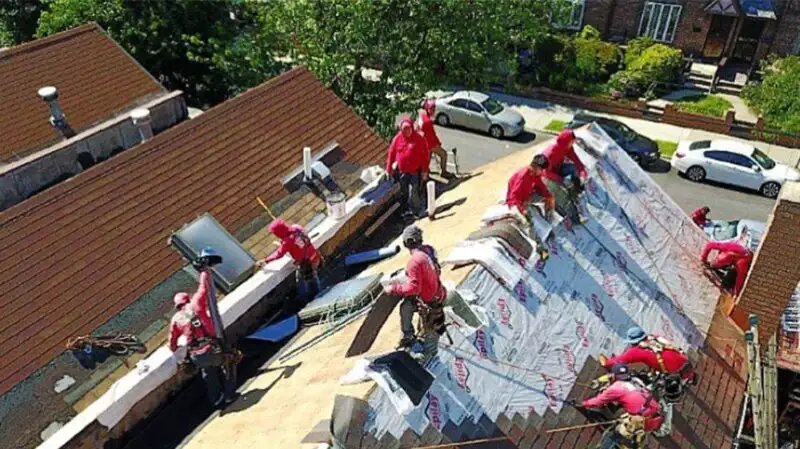
A roof installation is a significant home improvement, and it can feel overwhelming if you don’t know what to expect. Understanding the process ahead of time helps reduce stress, set realistic expectations, and ensure the project runs smoothly. When handled by a professional roofer, A roof installation is a carefully planned process designed to protect your home and ensure lasting results. Here’s a step-by-step overview of what usually happens during the project. Initial Inspection and Preparation Before starting, the roofing team inspects your roof to assess its condition and define the project scope. This includes checking the decking, flashing, ventilation, and any problem areas. Once the plan is finalized, the crew prepares your property by covering landscaping, windows, and siding to protect them from debris. You may be asked to move vehicles and secure fragile items, as work vibrations can cause minor disturbances. Removing the Old Roof The first major step in a roof installation is removing the old roofing materials. Shingles, underlayment, and any damaged components are stripped away to reveal the roof deck. This process is essential because it allows the roofing team to identify hidden problems like rotted wood or moisture damage. Any compromised decking is repaired or replaced to provide a strong foundation for the new roof. Skipping this step can result in premature roof failure, making thorough removal and inspection absolutely critical. Installing Underlayment and Flashing Once the roof deck is properly prepared, a waterproof underlayment is installed to provide an added layer of protection against moisture. This barrier helps prevent water damage if moisture penetrates the outer roofing material. Flashing is then carefully placed around chimneys, vents, skylights, and roof edges. Properly installed flashing protects these vulnerable areas from leaks and is one of the most critical components of a long-lasting, reliable roofing system.. Installing New Roofing Materials With the foundation prepared, the new roofing materials are installed. Whether using asphalt shingles, metal panels, or another roofing system, the process follows precise layouts and manufacturer specifications to guarantee durability and weather resistance. This stage is the most visible part of the project and typically takes one to several days, depending on the roof’s size, complexity, and weather conditions. Final Inspection and Cleanup After installation, the roofing team conducts a final inspection to ensure all components are secure, properly sealed, and ready for long-term performance. Ventilation, flashing, and shingle alignment are carefully checked to ensure long-term performance and durability. Cleanup is also a key part of the process—nails, debris, and old materials are completely removed, leaving your property clean, safe, and ready to enjoy. Final Thoughts If you’re planning a new roof or considering an upgrade, taking the right steps early can make the entire process smooth, efficient, and worry-free. Contact a trusted roofing professional today at 553 Prospect Avenue Brooklyn NY 11215 (646)-838-0441 https://www.nyroofing.com to schedule a consultation.

What To Expect During A Roof Installation Read More »

Simple Roof Maintenance Tips That Save You Money

Keeping your roof in good shape doesn’t have to be complicated or expensive. In fact, a little routine care can prevent major problems and save you thousands of dollars over the life of your home. While there are times you’ll need a professional roofing company for inspections, repairs, or replacements, many basic maintenance steps are simple enough for most homeowners to handle themselves—with the right precautions. Here are practical, money‑saving roof maintenance tips that can help extend the life of your roof and protect your investment. Inspect Your Roof Regularly (From the Ground First) You don’t have to climb onto your roof to spot early warning signs of trouble. Start with a visual inspection from the ground: – Look for missing, curled, cracked, or damaged shingles. – Check for dark streaks or patches that might indicate algae or moisture issues. – Scan for sagging areas or uneven sections. Use binoculars if you have them; they allow you to see more detail without risking a fall. If you notice anything that looks serious or widespread, that’s a good time to bring in a professional for a closer look. Keep Gutters Clean and Flowing Clogged gutters are one of the most common and preventable causes of roof and water damage. When gutters are blocked by leaves, twigs, and debris, water backs up under the shingles and can: – Rot fascia boards and roof decking – Cause leaks inside walls and ceilings – Lead to foundation and basement problems Plan to clean your gutters at least twice a year—usually in late spring and late fall—and more frequently if trees are near your home. While cleaning: – Clear out leaves and debris manually or use a gutter scoop to do the job. – Flush the gutters with a hose to check for unrestricted water flow. – Ensure downspouts carry water several feet away from the foundation. – Check for loose or sagging sections and reattach them securely. Consider installing gutter guards if your gutters clog frequently; they can reduce cleaning time and help prevent overflow. Trim Overhanging Branches Trees add beauty and shade, but overhanging limbs can be hard on your roof: – Falling branches can crack or puncture shingles. – Constant rubbing from branches can wear away protective granules. – Leaves pile up, trap moisture, and encourage mold or rot. – Branches provide a pathway for squirrels and other animals to access your roof. Trim branches so they’re at least several feet away from the roof surface. For small, easily accessible limbs, careful DIY trimming may be fine. For larger trees or branches near power lines, hire a qualified tree service to avoid injury and property damage. Check and Maintain Roof Flashing Flashing is the thin metal material installed around chimneys, skylights, roof valleys, and vents. Its job is to direct water away from vulnerable seams and joints. Damaged or poorly installed flashing is one of the most common sources of leaks. Periodically check: – For gaps, cracks, or lifting around flashing. – For rust or corrosion on metal components. – For missing or dried-out sealant. If you’re comfortable on a ladder and working at heights, small gaps can sometimes be resealed with a high-quality exterior sealant. However, if flashing looks significantly damaged or loose, it’s usually best to have a professional repair it properly. Correct flashing work can prevent costly interior water damage. Keep Roof Surfaces Clean—But Gently Moss, algae, and debris buildup not only make your roof look older, they can also trap moisture and shorten its lifespan. However, cleaning must be done carefully: Avoid: – Pressure washing: It can strip protective granules from shingles and drive water under them. – Harsh scrubbing: This can damage the surface of shingles. Better approaches: – For moss and algae, apply a roof-safe cleaning solution (following manufacturer instructions) and gently rinse with a garden hose from top to bottom. – Consider installing zinc or copper strips near the ridge line; rainfall helps distribute metallic ions that inhibit moss and algae growth. If the roof is steep, high, or slippery—or if you’re unsure how to proceed—hire a professional to clean it safely. Watch for Interior Warning Signs Sometimes, the first clues of a roofing problem show up inside your home, not outside. Regularly check: – Check ceilings and upper walls for water stains, discoloration, or peeling and bubbling paint. – Attic spaces for damp insulation, mold, or musty odors. – Attic rafters and sheathing for dark spots or signs of rot. – Daylight shining through roof boards. These symptoms often indicate a small leak or ventilation issue that, if caught early, can be repaired relatively inexpensively. Ignoring them can lead to structural damage, mold growth, and major repair bills. Ensure Proper Attic Ventilation and Insulation A healthy roof depends on what happens underneath it, too. Poor attic ventilation and insulation can: – Cause heat buildup that bakes shingles from below. – Lead to ice dams in winter as snow melts and refreezes at the eaves. – Increase your energy bills year‑round. To improve conditions: – Ensure the soffit and ridge vents are clean, open, and free from any blockages. – Do not cover or obstruct vents with insulation or stored belongings. – Check that attic insulation is evenly distributed and at the recommended depth for your climate. By combining smart DIY care with expert support when needed, you’ll extend the life of your roof, prevent costly damage, and protect the home and family that roof is there to shelter. Reach out to a trusted local roofing company like us at 553 Prospect Avenue Brooklyn NY 11215 (646)-838-0441 https://www.nyroofing.com for a professional inspection and personalized recommendations.

Simple Roof Maintenance Tips That Save You Money Read More »