Expert Brooklyn Roofing Contractor

Call For Free Quote

Roofing

How Brooklyn Weather Impacts Different Roofing Systems

Brooklyn’s weather can be unpredictable, with hot summers, cold winters, heavy rain, and occasional storms all playing a role in how roofing systems perform. For homeowners and property managers, understanding how these weather conditions affect different types of roofs is essential for maintaining long-term durability and preventing costly damage. From flat roofing systems commonly found on brownstones and apartment buildings to asphalt shingles used on residential homes, each roofing material responds differently to environmental stress. The combination of temperature fluctuations, moisture exposure, and urban conditions creates unique challenges that require careful planning and maintenance. By understanding how Brooklyn weather impacts roofing systems, property owners can make better decisions about materials, repairs, and long-term care. The Role of Weather in Roof Performance Roofing systems are designed to protect buildings from external elements, but constant exposure to weather can gradually wear them down. In Brooklyn, roofs must handle a combination of heat, moisture, wind, and seasonal changes. Temperature fluctuations can cause materials to expand and contract, leading to cracks or weakened seams over time. Moisture from rain and snow can penetrate small gaps, causing leaks and structural issues. Wind can loosen materials and expose vulnerable areas. These factors make it essential to choose roofing systems that are suited to Brooklyn’s climate and to maintain them regularly. Impact of Rain on Roofing Systems Rain is one of the most consistent challenges for roofing systems in Brooklyn. While all roofs are designed to handle water, the effectiveness of drainage and waterproofing determines how well they perform. Flat roofs, which are common in Brooklyn, are particularly vulnerable to water-related issues. Without proper drainage, water can accumulate on the surface, leading to pooling. Over time, this can weaken the roofing membrane and increase the risk of leaks. Sloped roofs, such as those with asphalt shingles, allow water to run off more easily. However, damaged or missing shingles can still allow water to penetrate the roof structure. Proper installation and maintenance play a critical role in ensuring that roofing systems can handle heavy rainfall without developing problems. How Snow and Ice Affect Roofs Winter weather in Brooklyn introduces additional challenges for roofing systems. Snow accumulation can add weight to the roof, while melting and refreezing can create ice-related issues. Flat roofs may experience water buildup when snow melts, especially if drainage systems are not functioning properly. This can lead to leaks and structural stress. On sloped roofs, ice dams can form along the edges, preventing water from draining effectively. This trapped water can seep under shingles and cause damage. Roofing materials must be able to withstand these conditions without losing their integrity. Proper insulation and ventilation also play a role in minimizing winter-related issues. Effects of Heat and UV Exposure During the summer months, Brooklyn experiences high temperatures and strong sunlight, which can impact roofing materials in different ways. Flat roofing systems made from materials such as EPDM or TPO are designed to handle UV exposure, but prolonged heat can still cause wear over time. TPO, with its reflective surface, helps reduce heat absorption and improve energy efficiency. Asphalt shingles can also be affected by heat, as prolonged exposure may cause them to deteriorate or lose granules. This can reduce their ability to protect the roof effectively. Heat-related expansion can also impact roofing systems, especially when combined with cooler nighttime temperatures. This repeated expansion and contraction can weaken materials over time. Wind and Storm Damage Brooklyn occasionally experiences strong winds and storms that can affect roofing systems. High winds can loosen or remove roofing materials, exposing the underlying structure to water and debris. Flat roofs are generally less affected by wind uplift compared to sloped roofs, but they are still vulnerable at edges and seams. Proper installation and secure fastening are essential for minimizing wind damage. Shingle roofs may experience lifted or missing shingles after storms, which can create entry points for water. Regular inspections after storms help identify damage early and prevent further issues. How Different Roofing Materials Perform in Brooklyn Weather Different roofing materials respond to Brooklyn’s weather conditions in unique ways, making it important to choose the right option for your property. EPDM roofing is known for its flexibility, allowing it to handle temperature changes without cracking. This makes it a reliable choice for flat roofs exposed to varying weather conditions. TPO roofing offers strong waterproofing and energy efficiency, making it suitable for properties looking to reduce heat absorption. Modified bitumen provides durability and resistance to heavy usage, making it a practical option for buildings with rooftop activity. Asphalt shingles perform well on sloped roofs, offering effective water shedding and protection when properly maintained. Each material has its strengths, and selecting the right one depends on the building type and environmental exposure. Importance of Regular Maintenance Weather-related wear is inevitable, but regular maintenance can help extend the lifespan of roofing systems. Inspections allow property owners to identify issues such as cracks, leaks, or drainage problems before they become serious. Cleaning gutters and ensuring proper drainage helps prevent water buildup, especially on flat roofs. Addressing minor repairs promptly reduces the risk of larger problems. Maintenance is particularly important in Brooklyn, where roofs are exposed to a combination of environmental and urban factors. Choosing the Right Roofing System for Brooklyn Properties Selecting the right roofing system involves considering both the structure of the building and the local climate. Flat roofs require materials that provide strong waterproofing and flexibility, while sloped roofs benefit from materials that shed water effectively. Working with experienced roofing professionals ensures that the chosen system is suitable for Brooklyn conditions and installed correctly. A well-chosen roofing system not only improves performance but also reduces long-term maintenance and repair costs. Conclusion Brooklyn weather plays a significant role in how roofing systems perform over time. From heavy rain and snow to heat and wind, each condition presents challenges that can impact the durability of roofing materials. Understanding these effects allows property owners to make informed decisions about material selection, maintenance, and repairs. By choosing

How Brooklyn Weather Impacts Different Roofing Systems Read More »

Roof Inspection Checklist for Brooklyn Homeowners

For homeowners in Brooklyn, maintaining a strong and reliable roof is essential for protecting their property from long-term damage. With changing weather conditions, aging buildings, and the prevalence of flat roofing systems, regular roof inspections are not just recommended—they are necessary. A proper roof inspection helps identify early signs of damage, prevent costly repairs, and extend the lifespan of your roofing system. Whether you live in a brownstone, townhouse, or multi-family property, understanding what to look for during a roof inspection can help you stay ahead of potential issues. This roof inspection checklist for Brooklyn homeowners will guide you through key areas to evaluate, common warning signs, and when to seek professional assistance. Why Roof Inspections Are Important in Brooklyn Brooklyn’s climate presents unique challenges for roofing systems. Heavy rain, snow, humidity, and seasonal temperature changes can gradually weaken roofing materials. Flat roofs, which are common in Brooklyn homes, are especially vulnerable to water pooling and drainage issues. Regular inspections allow homeowners to detect small problems before they turn into major repairs. A minor crack or drainage issue, if ignored, can lead to leaks, structural damage, and increased repair costs. In addition to preventing damage, roof inspections also improve energy efficiency. A well-maintained roof helps regulate indoor temperature and reduces energy consumption over time. Exterior Roof Inspection Checklist When inspecting your roof, the exterior condition is one of the most important areas to evaluate. For Brooklyn homes, this often involves checking flat roofing surfaces or shingle systems for visible signs of wear. Look for any cracks, punctures, or bubbling on the roof surface. These can indicate membrane damage or deterioration. Pay close attention to seams and joints, as these areas are more prone to leaks. Drainage systems should also be inspected carefully. Ensure that water is flowing properly and not collecting in low areas. Standing water is a common issue on flat roofs and can lead to long-term damage if not addressed. Flashing around vents, skylights, and edges should be intact and secure. Damaged flashing is one of the leading causes of roof leaks in Brooklyn homes. Interior Signs of Roof Damage While exterior inspections are important, many roof problems first become noticeable inside the home. Brooklyn homeowners should regularly check ceilings and walls for signs of water damage. Water stains, discoloration, or peeling paint can indicate a leak. In some cases, mold or mildew may develop in areas where moisture is present. Unusual odors or increased humidity inside the home can also signal roofing issues. These signs should not be ignored, as they may point to hidden damage within the roofing system. Flat Roof Inspection Focus (Brooklyn Homes) Flat roofs require special attention during inspections due to their structure and drainage design. Since water does not run off as easily as it does on sloped roofs, even small drainage issues can lead to significant problems. Check for ponding water, which is one of the most common issues with flat roofs. If water remains on the roof for extended periods, it can weaken the membrane and lead to leaks. Inspect the roofing material for any signs of wear, including cracks, blisters, or loose seams. These issues can develop over time due to weather exposure and aging materials. Drain outlets and gutters should be clear of debris to ensure proper water flow. Blocked drainage systems can quickly lead to water accumulation and damage. Seasonal Roof Inspection Tips Brooklyn homeowners should adjust their inspection routine based on seasonal changes. Each season presents different challenges that can impact roof performance. After winter, it is important to check for damage caused by snow and ice. Freeze-thaw cycles can create cracks and weaken roofing materials. During summer, heat and UV exposure can cause materials to expand and degrade. Inspecting the roof during this time helps identify early signs of wear. Fall inspections are essential for clearing debris and preparing the roof for colder weather. Leaves and debris can block drainage systems, increasing the risk of water pooling. Regular inspections throughout the year ensure that your roof remains in good condition regardless of seasonal changes. When to Call a Professional Roofing Contractor While basic inspections can be done by homeowners, some issues require professional expertise. If you notice recurring leaks, visible damage, or drainage problems, it is best to contact a roofing contractor. Professional inspections provide a more detailed assessment of the roofing system. Experienced roofers can identify hidden issues and recommend appropriate solutions based on the condition of your roof. In Brooklyn, where many homes have complex roofing structures, professional inspections are especially valuable for ensuring long-term performance. Benefits of Routine Roof Inspections Routine roof inspections offer several long-term benefits for Brooklyn homeowners. They help extend the lifespan of the roofing system by addressing issues early and preventing further damage. Regular inspections also reduce maintenance costs by avoiding major repairs. Fixing small problems is always more cost-effective than dealing with extensive damage. In addition, a well-maintained roof improves the overall value of your property. Whether you plan to stay in your home or sell it in the future, a strong roofing system is a key factor in property value. Conclusion A thorough roof inspection checklist for Brooklyn homeowners is essential for maintaining a durable and reliable roofing system. By regularly checking both exterior and interior areas, homeowners can identify potential issues early and take action before they escalate. Given the unique challenges of Brooklyn’s climate and building structures, proactive roof maintenance is the best way to protect your property and ensure long-term performance. If you need a professional roof inspection or want to ensure your roof is in top condition, NY Roofing is here to help. Our team provides detailed inspections and reliable solutions for Brooklyn homeowners. 📞 Call us today at (646) 838-0441 to schedule your roof inspection or get a free estimate. Common Roof Inspection Questions for Brooklyn Homeowners How often should Brooklyn homeowners inspect their roof? It is recommended to inspect your roof at least once a year and after major

Roof Inspection Checklist for Brooklyn Homeowners Read More »

EPDM vs TPO Roofing for Brooklyn Flat Roofs

Flat roofing systems are a defining feature of many Brooklyn properties, from brownstones and townhouses to multi-family buildings and commercial spaces. Choosing the right roofing material is essential for ensuring durability, energy efficiency, and long-term protection. Among the most commonly used flat roofing materials in Brooklyn are EPDM and TPO, both of which offer unique benefits depending on the building’s needs. Understanding the differences between EPDM and TPO roofing for Brooklyn flat roofs can help property owners make informed decisions. Each material performs differently under New York’s climate conditions, and selecting the right option depends on factors such as budget, maintenance requirements, and long-term performance expectations. Understanding EPDM Roofing EPDM, or ethylene propylene diene monomer, is a synthetic rubber roofing membrane widely used for flat roofs. It has been a reliable option for decades and is known for its flexibility and resistance to extreme weather conditions. In Brooklyn, EPDM roofing performs well due to its ability to expand and contract with temperature changes. This flexibility makes it particularly effective during freeze-thaw cycles, which are common in New York winters. EPDM is typically installed in large sheets, reducing the number of seams where leaks could develop. Another advantage of EPDM is its durability. When properly installed and maintained, it can last for many years while maintaining consistent performance. It is also relatively easy to repair, making it a practical choice for property owners looking for a cost-effective long-term solution. Understanding TPO Roofing TPO, or thermoplastic polyolefin, is a newer flat roofing material that has gained popularity in recent years. It is a single-ply membrane known for its energy efficiency and reflective properties. One of the key benefits of TPO roofing in Brooklyn is its ability to reflect sunlight, which helps reduce heat absorption. This can improve energy efficiency, especially during hot summers when cooling costs can increase. TPO roofing systems are typically heat-welded at the seams, creating a strong bond that enhances waterproofing performance. This makes TPO a reliable option for preventing leaks when installed correctly. In addition to its energy efficiency, TPO is also resistant to UV rays, chemicals, and environmental wear, making it a suitable choice for both residential and commercial flat roofs. Key Differences Between EPDM and TPO When comparing EPDM vs TPO roofing for Brooklyn flat roofs, several key differences become apparent. While both materials are designed for flat roofing systems, they perform differently in specific areas. EPDM is known for its flexibility and long-term durability, especially in colder climates. It handles temperature fluctuations well and is less likely to crack under stress. However, it is typically darker in color, which can absorb more heat. TPO, on the other hand, is more energy-efficient due to its reflective surface. It helps reduce heat buildup, making it a popular choice for buildings looking to improve energy performance. However, TPO may require more precise installation to ensure long-term durability. Another difference lies in installation methods. EPDM is often installed using adhesives or mechanical fasteners, while TPO uses heat-welded seams that create a more uniform surface. Performance in Brooklyn Weather Conditions Brooklyn’s climate plays a significant role in how roofing materials perform. With a combination of heavy rain, snow, humidity, and temperature fluctuations, flat roofs must be able to withstand a wide range of environmental conditions. EPDM performs exceptionally well during colder months due to its flexibility. It can handle expansion and contraction without significant damage, making it a reliable option for winter conditions. TPO, with its reflective surface, performs better during summer months by reducing heat absorption. This helps maintain indoor comfort and can lower energy costs for property owners. Both materials can perform well in Brooklyn if installed and maintained properly. The choice often depends on whether the priority is flexibility and durability or energy efficiency and heat resistance. Cost Considerations Cost is an important factor when choosing between EPDM and TPO roofing. EPDM is generally considered more cost-effective in terms of initial installation. Its simpler installation process and widely available materials make it a budget-friendly option for many property owners. TPO may have a slightly higher upfront cost due to the specialized installation process. However, its energy efficiency can lead to long-term savings by reducing cooling costs. When evaluating cost, it is important to consider not only the initial investment but also maintenance, repair, and long-term performance. A roofing system that performs well over time can provide better overall value. Maintenance and Longevity Both EPDM and TPO roofing systems require regular maintenance to ensure optimal performance. Routine inspections help identify issues such as membrane damage, seam separation, or drainage problems. EPDM is relatively easy to maintain and repair, making it a practical choice for long-term use. Minor issues can often be fixed without extensive work. TPO also offers good durability but requires proper installation to avoid potential issues. Regular maintenance ensures that seams remain intact and the roofing system continues to perform effectively. With proper care, both materials can provide long-lasting protection for Brooklyn flat roofs. Which Roofing Material Is Right for Your Brooklyn Property? Choosing between EPDM and TPO roofing depends on your property’s specific needs and priorities. For homeowners looking for a durable, flexible, and cost-effective solution, EPDM may be the better choice. For those prioritizing energy efficiency and modern roofing performance, TPO offers significant advantages. It is particularly suitable for properties looking to reduce heat absorption and improve energy efficiency. Ultimately, the right choice comes down to factors such as building type, budget, and long-term goals. Consulting with experienced roofing professionals can help you determine which material is best suited for your property. Conclusion EPDM vs TPO roofing for Brooklyn flat roofs is not a one-size-fits-all decision. Both materials offer reliable performance when installed correctly and maintained properly. Understanding their differences allows property owners to make informed choices that align with their needs. Whether you choose EPDM for its durability or TPO for its energy efficiency, investing in the right roofing system ensures long-term protection and performance for your property. If you’re unsure whether

EPDM vs TPO Roofing for Brooklyn Flat Roofs Read More »

Gutters And Downspouts: Roofing’s First Defense

Have you ever wondered why even a well-built roof can fail when water management is ignored, and why a skilled roofer always stresses the importance of gutters and downspouts? While shingles and roofing membranes protect the top of your home, gutters and downspouts serve as the first line of defense against water damage. Without them, rainwater can quickly become a destructive force, affecting not just the roof but the entire structure of a building. The Role of Gutters in Roofing Systems Gutters are designed to collect rainwater as it flows off the roof and channel it away from the structure. Installed along the roof’s edges, they prevent water from spilling directly down exterior walls. When functioning properly, gutters protect siding, windows, doors, and foundations from constant exposure to moisture. In heavy rainfall, roofs can shed hundreds of liters of water in a short time. Gutters manage this volume efficiently, ensuring controlled water flow rather than chaotic runoff that can cause erosion and staining. Why Downspouts Matter Just as Much Downspouts are the vertical components connected to gutters that guide collected water safely to the ground and away from the building. Without downspouts, gutters would overflow, defeating their purpose. Properly positioned downspouts reduce the risk of foundation damage by directing water several feet away from the structure. This reduces the risk of soil erosion, water seeping into the basement, and foundation cracks resulting from extended moisture exposure. Protecting the Roof Itself Gutters and downspouts don’t just protect what’s below—they also safeguard the roof. When water is allowed to pool at roof edges or back up due to clogged gutters, it can seep beneath roofing materials. Over time, this leads to rot, mold growth, and weakened roof decking. By keeping water moving efficiently, gutters reduce stress on roofing materials and extend the lifespan of the entire roofing system. Preventing Structural and Exterior Damage Uncontrolled roof runoff can cause significant damage to exterior surfaces. Water cascading down walls can lead to peeling paint, wood rot, and staining. In colder climates, improper drainage can contribute to ice formation, increasing the risk of cracks and material failure. Gutters and downspouts help preserve the building’s exterior by minimizing direct water contact and managing runoff in a controlled way. Importance of Proper Design and Installation Not all gutter systems are created equal. Factors such as roof size, slope, rainfall intensity, and building design all influence the type and size of gutters needed. Poorly sized or incorrectly installed gutters can overflow or pull away from the roof, causing more harm than good. Conclusion Gutters and downspouts may seem like minor components, but they are truly roofing’s first defense against water damage. To protect your roof and property from expensive water damage, reach out to an experienced roofer today to evaluate, install, or service your gutter and downspout system for dependable performance, long-term protection at 553 Prospect Avenue Brooklyn NY 11215 (646)-838-0441 https://www.nyroofing.com

Gutters And Downspouts: Roofing’s First Defense Read More »

How Sloped Roofs Improve Water Runoff

Have you ever wondered why homes with angled roofs seem to withstand heavy rain better, and why every experienced roofing contractor recommends a sloped roof design in areas prone to frequent rainfall? The answer lies in how sloped roofs are engineered to manage water efficiently. Water runoff is one of the most critical factors in roof performance, and sloped roofs excel in directing water away from the structure, protecting both the building and its occupants over the long term. Understanding Sloped Roofs A sloped roof, also known as a pitched roof, is designed with an incline that allows gravity to assist in moving water off the roof surface. Unlike flat or low-slope roofs, which rely heavily on drainage systems, sloped roofs naturally guide rainwater, melted snow, and debris downward toward gutters and away from the building. Sloped roofs are commonly found in residential homes but are also used in some commercial and institutional buildings. Their design varies widely, from gentle slopes to steep pitches, depending on climate, architectural style, and functional needs. The Role of Gravity in Water Runoff One of the greatest advantages of sloped roofs is their ability to harness gravity. As rain falls on a sloped surface, it immediately begins to flow downward rather than remaining stagnant. This constant movement prevents water from pooling on the roof, which is a major cause of leaks and material deterioration. Efficient runoff reduces the amount of time water stays in contact with roofing materials. The shorter this exposure, the lower the risk of water penetration, rot, or membrane breakdown. Reduced Risk of Water Pooling Standing water increases the likelihood of leaks, adds extra weight to the roof structure, and accelerates material wear. Sloped roofs virtually eliminate this problem. Because water naturally flows off a sloped roof, there is little opportunity for it to collect in one place. This significantly lowers the chances of moisture-related damage and helps maintain the roof’s structural integrity over time. Improved Protection Against Leaks Leaks often occur when water finds its way into seams, cracks, or weak points in the roofing system. On sloped roofs, water moves quickly past these areas instead of lingering around them. This reduces pressure on flashing, joints, and seals. Additionally, sloped roofs are typically constructed with overlapping materials such as shingles or tiles. These overlaps create a layered defense that channels water downward, making it harder for moisture to travel upward and enter the building. Enhanced Performance During Heavy Rainfall In regions that experience frequent or intense rainfall, sloped roofs are especially beneficial. Heavy rain can overwhelm drainage systems on flat roofs, leading to overflow and leaks. Sloped roofs, on the other hand, shed water continuously and efficiently, even during downpours. The steeper the slope, the faster water moves off the roof. This rapid runoff reduces the strain on gutters and downspouts and helps prevent water from backing up onto the roof surface. Better Snow and Ice Management Sloped roofs also perform well in colder climates where snow and ice are common. Snow naturally slides off a sloped roof more easily than it does on a flat surface. This reduces the weight load on the structure and lowers the risk of ice dams. Sloped roofs with proper insulation and ventilation help minimize this issue by promoting consistent melting and runoff. Protection of Roofing Materials Prolonged exposure to moisture is one of the main causes of roofing material failure. Sloped roofs help preserve roofing materials by limiting how long they remain wet. Shingles, tiles, and metal panels dry more quickly on a sloped surface, reducing the risk of algae growth, corrosion, and rot. By keeping materials drier, sloped roofs contribute to longer roof lifespans and fewer repair needs over time. Efficient Integration With Gutters and Downspouts Sloped roofs work seamlessly with gutter systems. As water flows downward, it is directed into gutters and carried away through downspouts to a safe distance from the building. This controlled drainage protects walls, foundations, and landscaping from water damage. Properly designed gutter systems are essential, but they are far more effective when paired with a sloped roof that naturally channels water in the right direction. Improved Structural Protection Water that lingers on a roof can seep into the roof deck, insulation, and framing, leading to serious structural issues. Sloped roofs minimize this risk by ensuring water does not remain on the roof long enough to penetrate vulnerable areas. This improved water management helps protect the entire building envelope, including ceilings, walls, and foundations, from moisture-related damage. Energy Efficiency Benefits While water runoff is the primary focus, sloped roofs can also contribute to energy efficiency. By staying drier, insulation materials beneath the roof perform more effectively. Sloped roofs reduce the chances of moisture intrusion, helping insulation remain dry and effective throughout the year. Aesthetic and Functional Advantages Beyond performance, sloped roofs offer architectural versatility. They can be designed in various styles, from simple gable roofs to complex hip or mansard designs. This flexibility allows homeowners and builders to balance appearance with functional water management. Dormers, overhangs, and valleys can be incorporated into sloped roof designs to further improve drainage and direct water away from vulnerable areas. Importance of Professional Design and Installation While sloped roofs naturally improve water runoff, their effectiveness depends on proper design and installation. Incorrect pitch, poorly installed flashing, or inadequate gutter placement can compromise performance. An experienced roofing contractor understands how to calculate the appropriate slope, select suitable materials, and install drainage components correctly. Conclusion If you’re planning a new roof or upgrading an existing one, consult a trusted roofing contractor now at 553 Prospect Avenue Brooklyn NY 11215 (646)-838-0441 https://www.nyroofing.com to design and install a sloped roof system that delivers superior water runoff, durability, and long-term peace of mind.

How Sloped Roofs Improve Water Runoff Read More »

Emergency Roof Repair in NYC: What to Do After Storm Damage

Storms in New York City are unpredictable and often severe. Heavy rain, strong winds, snowstorms, and sudden temperature drops place enormous stress on roofing systems across residential and commercial buildings. When a storm hits, roof damage can happen quickly—and if not addressed immediately, the consequences can be costly. Emergency roof repair in NYC is not just about fixing visible damage. It’s about acting fast to prevent water intrusion, structural issues, and interior damage that can escalate within hours. Whether you manage a commercial property or own a residential building, knowing what to do after storm damage can protect your investment and minimize long-term repairs. This guide explains how storm damage affects roofs in NYC, what steps to take immediately after a storm, and how professional emergency roof repair services help stabilize and restore your property. Why Storm Damage Is a Serious Roofing Issue in NYC NYC’s urban environment intensifies storm-related roof damage. High-rise buildings create wind tunnels that lift roofing materials, while flat roofs common across the city are vulnerable to water pooling. During winter, snow accumulation and freeze–thaw cycles further weaken roofing systems. Storm damage often starts small a loose flashing, cracked membrane, or displaced shingle but NYC weather can turn minor issues into major failures quickly. Water infiltration doesn’t just damage the roof; it affects insulation, electrical systems, ceilings, and walls. This is why emergency roof repair in NYC should never be delayed. Common Types of Storm Damage to NYC Roofs Storm damage manifests differently depending on roof type and building structure. High winds can tear shingles off residential roofs or lift membrane edges on flat commercial roofs. Heavy rain exposes weak points in flashing and drainage systems. Snow and ice create pressure that forces water beneath roofing layers. Hail and flying debris can puncture roofing materials, while clogged drains worsen flooding on flat roofs. In many cases, damage is not immediately visible from the ground, which is why professional inspection is critical after severe weather. What to Do Immediately After Storm Damage The moments following a storm are critical. The first priority is safety. Avoid climbing onto the roof, especially during wet or windy conditions. Interior signs such as water stains, dripping ceilings, or damp walls often indicate roof damage. Documenting visible damage is important for insurance purposes. Photos and videos help support claims and ensure accurate assessments. Temporary measures such as placing buckets or tarps can help limit interior damage, but they are not permanent solutions. Calling a professional emergency roof repair contractor in NYC as soon as possible is the most effective step you can take. Why Emergency Roof Repair Is Time-Sensitive Roof damage worsens rapidly when left unaddressed. Water penetration spreads through insulation and structural components, leading to mold growth and rot. In commercial buildings, this can disrupt business operations and create safety hazards. Emergency roof repair services focus on immediate stabilization. This may include sealing exposed areas, securing loose materials, or installing temporary protection to stop active leaks. These actions prevent further damage until permanent repairs can be completed. Acting quickly often reduces overall repair costs and prevents premature roof replacement. Residential Emergency Roof Repair in NYC Residential properties face unique challenges after storms. Townhomes, multi-family buildings, and older houses often have aging roofing systems that are more vulnerable to failure. Emergency roof repair for residential buildings typically addresses leaks, missing shingles, damaged flashing, and compromised roof edges. Quick intervention helps protect living spaces, personal belongings, and interior finishes. Homeowners who delay repairs often face more extensive damage that could have been avoided with immediate action. Commercial Emergency Roof Repair in NYC Commercial buildings rely heavily on flat roofing systems and drainage performance. After storms, water pooling, membrane damage, and blocked drains are common issues. Emergency roof repair for commercial properties focuses on preventing interior damage, protecting tenants, and maintaining building safety. Temporary repairs allow businesses to continue operations while long-term solutions are planned. For property managers, having a reliable emergency roofing contractor is essential for rapid response during storm events. How Professional Emergency Roof Repair Works A professional emergency roof repair contractor begins with a thorough inspection to identify both visible and hidden damage. The goal is to stabilize the roof quickly while documenting issues for insurance and future repairs. Temporary solutions may include sealing punctures, reinforcing flashing, clearing drainage systems, or installing protective coverings. Once immediate risks are addressed, the contractor provides recommendations for permanent repairs or replacement if necessary. Professional assessment ensures that no underlying issues are overlooked. Insurance Claims and Storm Damage in NYC Storm damage often qualifies for insurance coverage, but proper documentation and timely action are crucial. Emergency roof repair contractors frequently assist property owners by providing detailed reports, photos, and repair summaries. Delays in reporting damage can complicate claims or reduce coverage. Prompt repairs demonstrate responsible property management and help ensure smoother claim processing. Preventing Future Storm-Related Roof Damage While storms can’t be prevented, proper maintenance reduces risk. Regular roof inspections, drainage system maintenance, and timely repairs strengthen roofing systems against extreme weather. NYC buildings benefit significantly from preventive maintenance plans that address vulnerabilities before storm season begins. If you want to know more about NY Roofing or need expert guidance for your residential or commercial roofing project in NYC, give us a call at (646) 838-0441. Our team will be happy to help you make the right roofing decision. Frequently Asked Questions About Emergency Roof Repair in NYC What qualifies as an emergency roof repair in NYC? Emergency roof repair involves immediate action to stop active leaks, secure damaged roofing materials, and prevent further damage after storms or severe weather. How fast should emergency roof repairs be done after a storm? Emergency roof repairs should be performed as soon as possible, ideally within 24 hours, to prevent water damage and structural issues. Can I wait to repair storm-damaged roofing? Delaying repairs often leads to increased damage, higher costs, and potential insurance complications. Immediate action is strongly recommended. Are emergency roof repairs covered by insurance?

Emergency Roof Repair in NYC: What to Do After Storm Damage Read More »

How Often Should You Replace a Roof in NYC? A Borough-by-Borough Guide

Replacing a roof is one of the biggest investments a homeowner can make and in New York City, knowing when to replace your roof is just as important as knowing how. NYC’s unique climate, dense building styles, and aging housing stock mean roofs here often face more stress than in other parts of the country. From flat roofs in Queens and Brooklyn to pitched shingle roofs in Staten Island and Long Island, roof lifespan varies widely depending on materials, weather exposure, and maintenance. At NY Roofing, we help homeowners across all five boroughs make informed decisions about roof replacement before small issues turn into major expenses. This guide breaks down how often you should replace a roof in NYC, what affects roof longevity, and how replacement timelines differ by borough. 1. Average Roof Lifespan in NYC (By Roofing Material) The most important factor in determining when a roof should be replaced is the material used. Asphalt Shingle Roofs Average lifespan: 20–25 years Common in: Queens, Staten Island, Long Island Vulnerable to: Wind damage, UV exposure, moisture buildup Shingle roofs are affordable and reliable, but NYC’s freeze thaw cycles can shorten their lifespan without proper ventilation. Flat Roofs (EPDM, TPO, Modified Bitumen) Average lifespan: 20–30 years Common in: Brooklyn, Bronx, Manhattan, Queens Vulnerable to: Ponding water, membrane shrinkage, seam failure Flat roofs require more frequent inspections but can last longer when properly maintained. Metal Roofing Average lifespan: 40–70 years Less common but growing in popularity Resistant to extreme weather Slate & Tile Roofing Average lifespan: 50–100 years Found in historic NYC neighborhoods Requires specialized maintenance 2. How NYC Weather Impacts Roof Longevity NYC’s climate plays a major role in roof wear and tear. Winter Damage Snow buildup adds structural weight Ice dams force water under shingles Flashing becomes brittle and cracks Summer Heat UV rays dry out roofing materials Flat roof membranes expand and contract Higher cooling costs due to heat absorption Storms & High Winds Blow off shingles Tear flat roof membranes Damage flashing and roof edges These conditions mean NYC roofs often need replacement sooner than national averages. 3. Borough-by-Borough Roof Replacement Timeline Queens Mix of flat and shingle roofs Average replacement timeline: 20–25 years Common issues: flashing leaks, poor drainage on flat roofs Brooklyn Many brownstones and multi-family buildings Flat roofs dominate Replacement timeline: 20–30 years Bronx Older structures Higher moisture exposure Replacement often needed sooner if maintenance is neglected Manhattan High-rise buildings Strict building codes Replacement timelines vary but inspections are more frequent Staten Island & Long Island More pitched shingle roofs Longer lifespans with good ventilation Average: 25+ years 4. Warning Signs Your Roof Needs Replacement Even if your roof hasn’t reached its expected lifespan, these signs indicate replacement may be necessary: Frequent roof leaks Sagging roof deck Missing or curling shingles Flat roof ponding water Rising energy bills Mold or mildew in attic spaces Repairs becoming more frequent than replacement cost If you’re calling for roof repairs every year, replacement is usually the smarter long-term decision. 5. Repair vs Replacement: How to Decide Roof Repair Is Best When: Damage is localized Roof is under 15 years old No structural issues exist Roof Replacement Is Best When: Roof is near end-of-life Leaks are widespread Structural components are compromised Energy efficiency is poor A professional roof inspection helps determine the right choice. 6. Why Timely Roof Replacement Saves Money Delaying roof replacement can lead to: Interior water damage Mold growth Insulation failure Higher heating and cooling costs Structural repairs Replacing your roof at the right time protects your home’s value and prevents emergency expenses. 7. When Should You Schedule a Roof Inspection in NYC? You should schedule an inspection if: Your roof is 15+ years old After major storms Before buying or selling a home Energy bills increase unexpectedly You notice leaks or stains At NY Roofing, inspections provide clear, honest recommendations not pressure. Conclusion Knowing when to replace your roof is critical for protecting your NYC home from costly damage. By understanding material lifespan, borough-specific challenges, and early warning signs, homeowners can plan roof replacement at the right time — not during an emergency. At NY Roofing, we help NYC homeowners make confident, informed roofing decisions with expert inspections, transparent pricing, and durable replacement solutions designed for New York’s demanding climate. Roof Replacement FAQs for NYC Homeowners How often should a roof be replaced in NYC? Most roofs in NYC should be replaced every 20–30 years, depending on materials, maintenance, and weather exposure. Do flat roofs last longer than shingle roofs? Flat roofs can last longer if properly maintained, but they require more frequent inspections. Can roof replacement be done year-round in NYC? Yes. Roof replacement can be done year-round, though spring through fall offers ideal conditions. Is roof replacement covered by insurance? Insurance may cover storm-related damage, but normal wear and tear is typically not covered.

How Often Should You Replace a Roof in NYC? A Borough-by-Borough Guide Read More »

Signs It’s Time to Replace Your Roof: Homeowner’s Guide for Bronx Residents

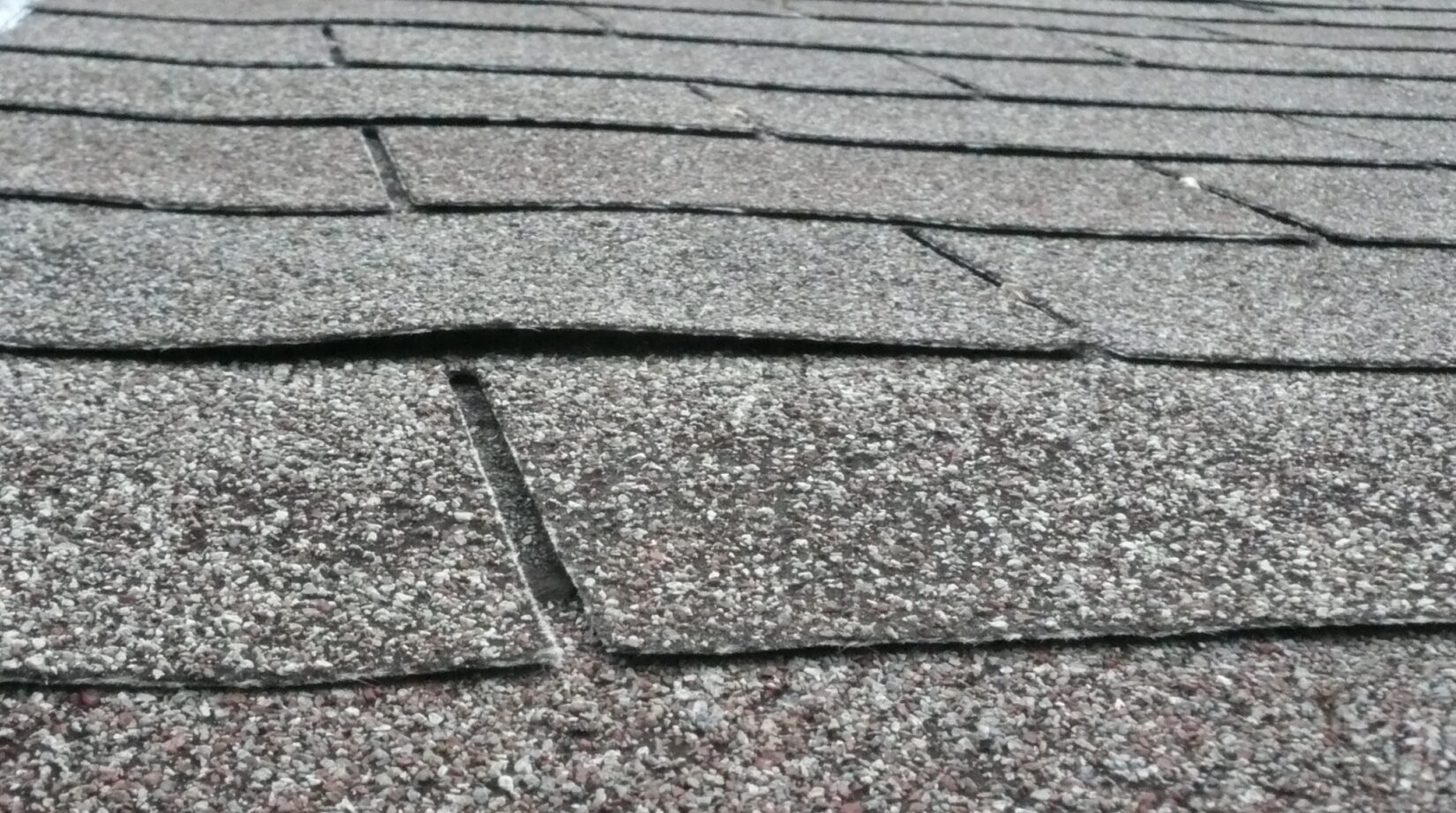
Your roof protects your home from everything — sun, snow, rain, and wind. But over time, even the best roofs wear out. Knowing when it’s time for a replacement can save you thousands in long-term repairs. At NY Roofing, we specialize in roof replacement in Bronx homes and help residents make informed decisions before small issues turn into costly damage. 1. Leaks and Water Stains If you notice water stains on ceilings or walls, it’s often a sign that your roof’s underlayment or flashing has deteriorated. Small leaks can quickly lead to mold growth and structural issues. Learn about our professional roof replacement in Bronx for fast, reliable solutions. 2. Missing or Damaged Shingles Over time, shingles can curl, crack, or go missing — especially after storms. These gaps expose your roof to leaks and further damage. If you’re calling for roof repair in Bronx frequently, it might be more cost-effective to invest in a full replacement. 3. Sagging Roof Deck A sagging roof indicates trapped moisture or weakened supports. This is a major red flag that calls for immediate inspection and replacement before it becomes a safety risk. 4. Energy Bills Are Rising If your heating and cooling bills have climbed, your roof could be the culprit. A worn-out roof allows air to escape, forcing your HVAC system to work harder. New, energy-efficient materials can reduce costs and improve comfort. Explore our complete roof replacement Bronx services today. 5. Roof Age Most roofs last 20–25 years depending on the materials used. If yours is nearing that range, it’s time to schedule a professional inspection to assess whether a replacement is necessary. Frequently Asked Questions (FAQs) Q1: How long does a roof last in the Bronx? A: Typically 20–25 years for asphalt shingles, longer for slate or tile roofs. Q2: Should I repair or replace my roof? A: If you’re facing frequent repairs or structural damage, replacement is often the smarter, long-term choice. Q3: How much does roof replacement cost in Bronx? A: It depends on size, materials, and labor, but our team offers transparent pricing and free estimates. Conclusion A failing roof doesn’t just affect your home’s appearance — it impacts safety, energy efficiency, and long-term costs. If you’ve noticed leaks, rising utility bills, or visible signs of aging, now is the right time to take action. Replacing your roof before the damage worsens not only protects your home but also adds significant value and peace of mind. At NY Roofing, we provide expert inspections, honest guidance, and high-quality roof replacement services throughout the Bronx. Whether you’re dealing with storm damage or an aging roof, our team is here to ensure your home stays safe, strong, and protected for years to come.

Signs It’s Time to Replace Your Roof: Homeowner’s Guide for Bronx Residents Read More »

What Is The Best Roof For Solar Panels?

Many households are contemplating the installation of solar panels due to the increasing demand for renewable energy sources. But the sort of roof that works best for solar panels is an important but sometimes ignored consideration. Seek the advice of a reliable roofing professional to determine the structural suitability and compatibility of your roof before considering solar energy harvesting. Important Considerations Several considerations go into picking the optimal rooftop for solar panels: Roof Material Both the ease of installation and the performance of solar panels are greatly affected by the roofing material choice. Materials that are most often used include: Among the many roofing materials used in the US, asphalt shingles are among the most common. Solar panels may be easily attached to asphalt shingles because of their lightweight nature. They are sturdy enough to hold solar panels without requiring major structural repairs and have a long lifespan. Metal roofing is an excellent choice for solar panel installations because it lasts a long time and doesn’t rust. The installation of solar panels is made easier on metal roofs, particularly standing seam kinds. They also have the added benefit of reflecting sunlight, which makes solar panels work better. Solar panels could be difficult to install on clay or concrete tiles because of their weight and the unique mounting requirements, but these materials can be aesthetically pleasing. Make sure your tile roof can handle the extra weight of solar panels by consulting a roofing professional. When properly mounted, solar panels atop flat rooftops, which are common in commercial buildings, may produce abundant solar energy. Alignment and Roof Orientation Solar energy generation is greatly affected by the roof’s orientation and pitch. Solar panel installation is best done on south-facing rooftops because they receive the most sunshine throughout the day. Most experts agree that the best angle for a roof to catch solar energy is between 30 and 45 degrees. Structural integrity It is critical to evaluate the roof’s structural stability prior to installing solar panels. Solar panels add weight, which an old roof might not be able to support. It can be prudent to replace your roof before installation if it is getting close to its end of life. To be sure your roof is suitable for solar panel installation, a professional roofing firm may evaluate it. The Local Environment and Climate When deciding which roof is ideal for solar panels, it’s important to think about the local climate. More long-lasting roofing materials could be necessary in areas that get a lot of snow or have storms often. It is essential to select a roof material that can endure your local climate while accommodating solar technology, as some materials work better in extremely hot or cold environments. Summary For a thorough evaluation of your roof and tailored recommendations, get in touch with us immediately at 553 Prospect Avenue Brooklyn NY 11215 (646)-838-0441 https://www.nyroofing.com if you are prepared to utilise solar power.

What Is The Best Roof For Solar Panels? Read More »

Possible Roof Issues When Installing Solar Panels

Residential solar panels are becoming more popular as a greener alternative to traditional energy sources in the battle against climate change. There are some distinct difficulties associated with installing solar panels, despite the fact that they offer several advantages, such as reduced energy expenditures and carbon footprints. To guarantee a successful installation of solar panels, it is essential to be aware of possible roofing concerns. With the assistance of a trained roofing crew, you can overcome these obstacles. Before you install solar panels on your roof, there are five things you should think about. This post will go over each of these concerns in detail and offer solutions for each. Structural Integrity of the Roof Problem: When thinking about installing solar panels, the stability of your roof must be your first concern. Your roofing system may not be able to handle the added weight of solar panels if it is old or has structural issues. Sagging, leakage, and eventually roof collapse can result from a roof’s structural integrity being weakened. The answer is: no Prior to installation, a professional roofing crew should assess the state of your roof. Part of this examination involves looking for: If you notice any shingles that are damaged, such as cracked, curled, or missing, it could mean that your roof isn’t doing its job of protecting your home from water. Look for deterioration or rot in the rafters and trusses; insects and water can cause this. Check for soft patches or water damage on the decking, which is the wood underneath the shingles. Roof Material and Age Problem: The installation of solar panels can be greatly affected by the age and composition of your roof. Certain materials may not be compatible with solar mounting systems, and older roofs may require replacement before solar panels can be installed. Metal roofs, in contrast to asphalt shingles, can endure for fifty years or longer. The answer is: Before you install solar panels, you should change your roof if it is getting old. For advice on which materials are compatible with solar panels, consult a professional roofing crew. Think about these possibilities: The durability and reflectivity of metal roofs are making them a popular choice for solar installations. They are able to securely mount solar panels to the roof without damaging it in the process.Although visually beautiful, tile roofs may necessitate specialized mounting techniques to guarantee their waterproofness and stability. Sealing and Waterproofing Problem: Solar panel leaks and water damage can result from sloppy installation. The waterproof integrity of your roof can be compromised if the penetrations formed during the installation of mounting brackets are not properly sealed. The inside of your home could get damaged or need costly repairs as a result of this. The answer is: If you want to lessen the likelihood of this happening, use a roofing company that knows what they’re doing when it comes to sealing. During installation, make sure you follow these steps: Make Use of Top-Notch Flashing: This crucial component is responsible for diverting water away from any openings in the roof. The flashing surrounding the solar panel mounts’ penetrations into the roof should be installed by the roofing crew. Sealant Application: To keep all penetrations watertight, high-quality roofing sealants should be applied to them. One example is the use of weather-and temperature-resistant sealants, such as polyurethane or silicone. Inspecting for indicators of leaks and unbroken seals should be a regular part of any maintenance plan following installation. This preventative method can identify possible problems before they escalate. Protect your home from water damage and keep your roofing system in good condition by sealing all penetrations. Problems with Lighting and Direction Problem: Solar panels work best when exposed to sunshine all day long. Less energy can be produced by rooftops when they are heavily shaded by trees, buildings, or other obstacles. Moreover, the strength of your solar panels might be affected by the lighting of your roof, which in turn disrupts the installation angle. The answer is: Expert roofers should measure the roof’s pitch and shadows before installation. Their approach to optimizing the installation of your solar panels is as follows: Assess Sunlight Exposure: You can use various tools or software to get a better idea of how much sunlight different times of day and seasons get. Finding the optimal spots to install solar panels is aided by this analysis. To increase solar exposure, consider cutting or removing nearby trees that are producing shadowing concerns. Adjust Panel Angles: A professional might recommend altering the angle of the solar panels to maximize sunlight capture if your roof is not facing the correct direction (south-facing is ideal in the Northern Hemisphere). Taking Aesthetics into Account Problem: When considering installing solar panels on their homes, many people worry about how they will look. Depending on how well the panels blend in with the existing architecture, the installation process could detract from your roof’s attractiveness. A lot of people are worried that installing solar panels will make their house look less attractive. The answer is: Hiring a roofing contractor that focuses on installing solar panels is one way to solve aesthetic concerns. Some ways to make solar panels look more integrated are as follows: Pick Sleek Styles: Contemporary solar panels are available in a rainbow of colors and patterns. For a more polished look, choose panels that go with the color of your roof or those that complement it. Solar shingles, which are more integrated in appearance and mix in with conventional roofing materials, are an option to think about if aesthetics are important. Strategic positioning: To maximize efficiency and reduce visual effect, a professional crew will assist you select the optimal positioning for solar panels. Summary You can make sure your solar system works well and protects your house from future troubles by fixing these before installation. Make the most of your solar investment with our assistance at 553 Prospect Avenue Brooklyn NY 11215 (646)-838-0441 https://www.nyroofing.com as you navigate the installation process.

Possible Roof Issues When Installing Solar Panels Read More »