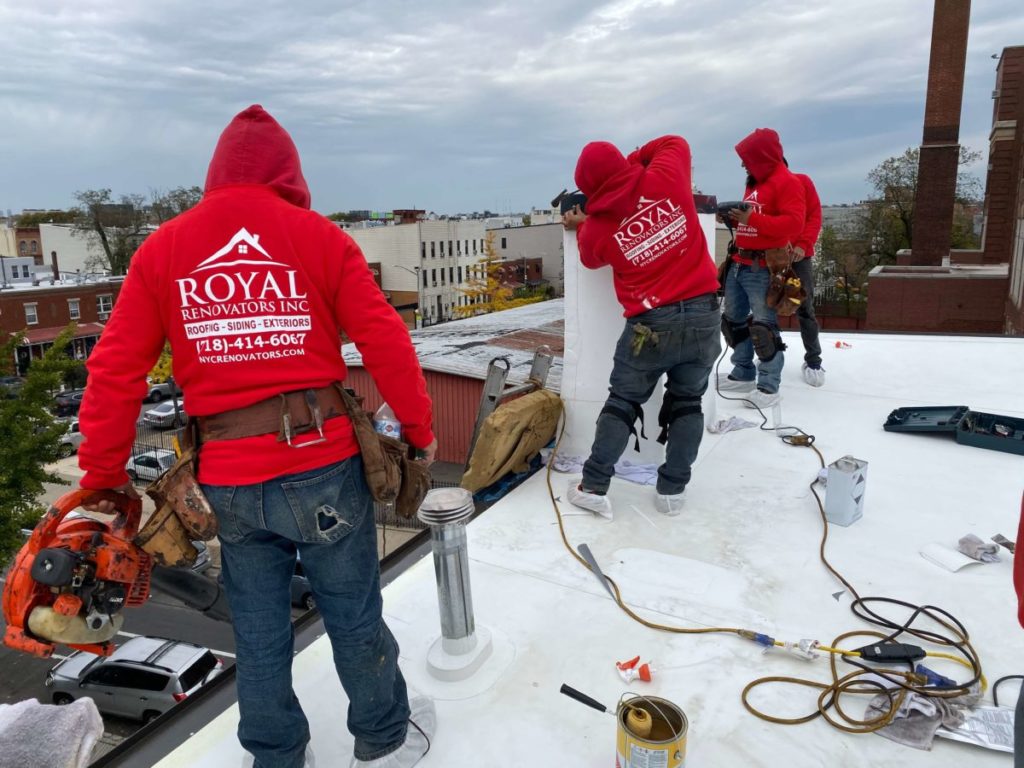
TPO is one of the most well-known commercial roofing systems. However, in recent years it has also extended to the residential roofing systems. It is one of the most popular flat roofing materials out there. This is a great feat in the roofing industry, considering its first production and installation. What then is TPO? It is an acronym for Thermoplastic Polyolefin. It is made from a single-ply membrane roofing system. So to understand TPO, it's best to know what a single-ply membrane is. Single-Ply Membrane System A single-ply membrane is a sheet of rubber and other elements that can be glued with concrete, chemical, or other mechanical methods to create a roofing system for a commercial house. This blend of rubbers and other synthetics/elements makes it durable and flexible. As a result, it's one of the most renowned roofing materials used for commercial purposes. It has two major types, namely: TPO (Thermoplastic Polyolefin) and EPDM (Ethylene Propylene Diene Terpolymer). It's important to note that they are different in their chemical contents, installation, and even energy efficiency. What Is TPO? TPO is produced from a single-ply membrane. It was first introduced and used in 1986 as an option for PVC roofing. In the past three and half decades, it has become renowned for its effectiveness, even though it's a flat roofing system. It is more energy-efficient than EPDM and PVC. And as the need for an energy-efficient flat roofing system rises, the need for TPO also rises. TPO creates a watertight seal using the single-ply roofing membrane system. They are produced in sheets that are measured in square feet. It can be 10, 20, 30, 40, 0r even 50 feet wide. These square feet produce the full sheets that are sold and used for commercial roofing. Research done by the National Roofing Contractors Association (NRCA) shows that TPO has 40% of the overall market share of the commercial roofing system. This shows its acceptance and adoption by the masses to use for their commercial buildings. TPO has three major layers, namely: Polyester-reinforced fabric center: It is also known as scrim Thermoplastic polyolefin top layer Thermoplastic polyolefin base layer. The two thermoplastic polyolefin layers have ethylene propylene rubber. And it's also made with fillers like carbon fiber, talc, and fiberglass. These fillers add to TPO's flexibility and strength. While polyester gives this roofing membrane more flexibility and makes it roll out and spread easily on the roof, compared to other commercial roofing options, TPO does not harbor or contain harmful substances like chlorine, etc. How To Install TPO Successful installation of the TPO membrane requires the right tools, knowledge, and experience. This is why it's best to leave the job to experts. Aside from the fact that they would do an almost error-free job, insurance would cover your roofing if you have any issues. Of course, that is if you have insurance for your roof. But if you do it yourself and anything goes wrong, likely, insurance won't cover it. The roofer will use a thermal scan to check the moisture level of your roof and determine if the TPO can be installed on your roof or you need to tear off the existing roof. Though I will teach the process here, it's best to allow a professional to do it. You can watch them doing it also. Prepare Your Roof You have two choices, remove the roof you are using now or clean it and add insulation (your roofer will decide this, though.) The insulation will increase your roof's energy efficiency and guard it against water vapor. The three main types of insulation are: Polyisocyanurate (Polyiso): This is one of the most used insulation methods for a commercial roofing system. Though it's more expensive, it has a higher R-value level compared to other insulation types. This means it has the power and strength to resist and withstand heat. Expanded Polystyrene (EPS): This also has a high R-value level. And it's used for multiple uses. You can use it for your roof, wall, or floor insulation. It's resistant to water and most preferable when the insulation process has a connection to the ground level. Extruded Polystyrene (XPS): This roofing is itemized, identified, and recognized by its colors. They are green, pink, and blue colors. Its performance and price range are between EPS and Polyiso. It is a semipermeable insulation method, and its perm rating is 1. Install The Membrane: The thickness of a TPO should be between 45 mil - 90 mil, though 60 mil is the most acceptable. Your roofer will determine the best for your roof. There are various methods to install a TPO on your roof. But I'll explain three here. Mechanical Fasteners: They are one of the fastest installation methods. Space between fasteners can cause moisture holes that can harm your roof. When done by a professional roofer, this problem can be avoided. Bonding Adhesive and Ballasting System: Involves the use of concrete to install your roof. After installation, the seams of the TPO are sealed with heat guns. Finishing Step After the seams have been sealed, you should make edges that will direct the water to the gutter. You need to create proper drainage in your roofing system to avoid leaks and structural issues. Your vents and chimneys should also be properly taken care of. Problems Of TPO Punctured Membrane The flexibility and lightweight that serve as TPO's advantage can also be disadvantageous because it can be punctured easily. Although it doesn't have hard layers to protect it from tools or gravel, you can prevent this problem by using a primer and put layers on insulation. This will protect your roof even if it's punctured. Expired Warranty You should use your warranty to keep the problems in check. But when your warranty expires, you will have to spend more money on your TPO for maintenance. Warranty for TPO is about 15 - 30 years. Sub Damaged Adhesives TPO is energy efficient but can't withstand heat for