
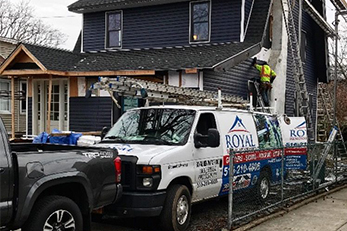
When managing large commercial or industrial facilities, selecting the right roofing material is crucial for long-term performance and cost-effectiveness. Partnering with an experienced roofing firm can help you navigate the complex decision-making process and choose the most suitable roofing solution for your specific needs.
Key Considerations for Industrial Roofing
Before selecting a roofing material, facility managers must evaluate:
– Climate conditions
– Building structure
– Budget constraints
– Maintenance requirements
– Energy efficiency
– Load-bearing capacity
Top Roofing Materials for Large Facilities
- Metal Roofing
Advantages
– Exceptional durability
– Long lifespan (40-70 years)
– High fire resistance
– Excellent thermal performance
– Lightweight construction
Types
– Standing seam panels
– Corrugated metal sheets
– Aluminum roofing
– Steel roofing systems
- Thermoplastic Polyolefin (TPO) Roofing
Key Benefits
– Highly reflective surface
– Excellent energy efficiency
– Resistant to UV radiation
– Chemical and puncture resistance
– Relatively low installation cost
Ideal Applications
– Warehouses
– Manufacturing facilities
– Distribution centers
– Large commercial buildings
- Ethylene Propylene Diene Monomer (EPDM) Roofing
Characteristics
– Rubber-based membrane
– Exceptional weather resistance
– Affordable installation
– Minimal maintenance requirements
– Excellent waterproofing capabilities
Best Suited For
– Flat or low-slope roof structures
– Facilities in extreme climate zones
– Buildings requiring robust waterproofing
- Modified Bitumen Roofing
Features
– Multi-layer protection
– High tensile strength
– Flexibility in temperature variations
– Excellent waterproofing
– Relatively easy installation
Recommended Uses
– Industrial complexes
– Manufacturing plants
– Warehouse facilities
- Built-Up Roofing (BUR)
Composition
– Multiple layers of bitumen and reinforcing fabrics
– Traditional and proven roofing method
– Excellent durability
– High impact resistance
Advantages
– Cost-effective for large surfaces
– Superior protective capabilities
– Long-term performance
Performance Factors
– Thermal insulation
– Wind resistance
– Fire rating
– Load-bearing capacity
– Maintenance requirements
Cost Considerations
– Initial installation expenses
– Long-term maintenance costs
– Energy efficiency
– Potential tax incentives
– Lifespan of roofing material
Emerging Technologies
Advanced Roofing Innovations
– Solar-integrated roofing systems
– Cool roof technologies
– Self-healing membrane materials
– Smart roofing sensors
Maintenance Recommendations
Proactive Care Strategies
– Regular professional inspections
– Prompt damage repair
– Consistent cleaning
– Drainage system maintenance
Environmental Considerations
Sustainable Roofing Options
– Recyclable materials
– Energy-efficient designs
– Reduced carbon footprint
– Green roofing technologies
Decision-Making Process
Comprehensive Evaluation
– Conduct thorough facility assessment
– Consult roofing professionals
– Compare multiple material options
– Consider long-term implications
Conclusion
Selecting the right roofing material requires careful analysis, technical understanding, and strategic planning. Each facility has unique requirements that demand specialized solutions. Ready to optimize your facility’s roofing performance?
Contact our expert roofing team today at 553 Prospect Avenue Brooklyn NY 11215 (646)-838-0441 https://www.nyroofing.com for a comprehensive facility roof assessment! Our specialists will provide personalized recommendations tailored to your specific industrial needs. Don’t compromise on protection—schedule your consultation now and transform your facility’s roofing strategy!
Frequently Asked Questions About Industrial Roofing Materials
What is the best roofing material for industrial buildings?
The best roofing material depends on the facility’s size, climate, and use.
Common options include metal roofing, TPO, EPDM, modified bitumen, and built-up
roofing systems.
Why is metal roofing popular for large facilities?
Metal roofing is popular because it offers exceptional durability, long
lifespan, fire resistance, and strong thermal performance while remaining
lightweight.
Is TPO roofing suitable for warehouses and factories?
Yes. TPO roofing is ideal for warehouses and factories due to its reflective
surface, energy efficiency, UV resistance, and relatively low installation cost.
When should EPDM roofing be considered?
EPDM roofing is best for flat or low-slope roofs, especially in extreme climates
where flexibility, waterproofing, and minimal maintenance are required.
What are the advantages of built-up roofing for industrial use?
Built-up roofing provides multi-layer protection, high impact resistance, and
long-term durability, making it cost-effective for large industrial surfaces.
How do facility managers choose the right roofing system?
Facility managers should evaluate climate, building structure, load capacity,
energy efficiency, maintenance needs, and long-term costs with professional
roofing guidance.