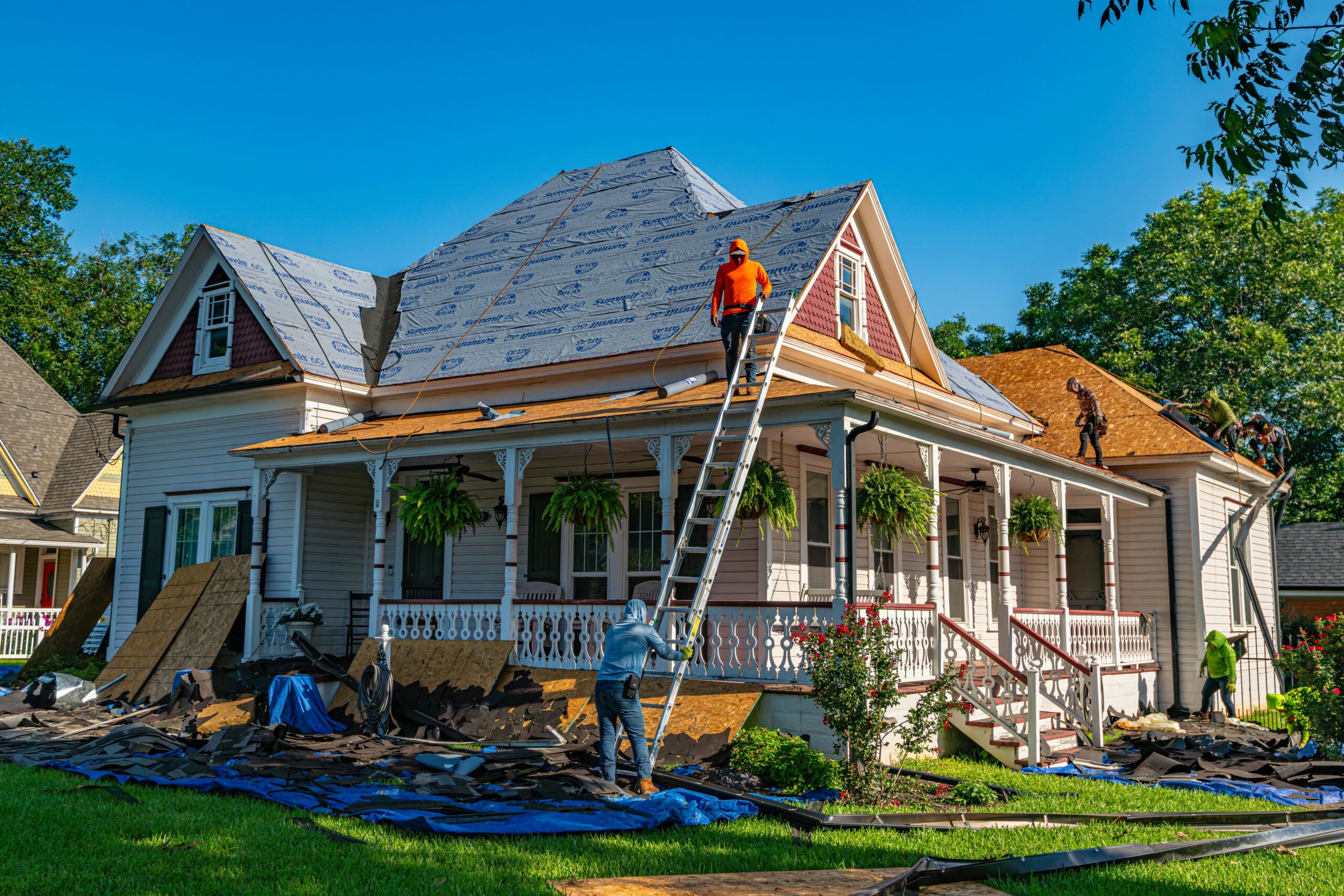
Flat roof installation NYC projects require careful planning, proper materials, and experienced workmanship. In a dense city like New York, flat roofs are common on apartment buildings, commercial properties, brownstones, mixed-use buildings, porches, and smaller structures like sheds. These roofs are practical, but they must be installed correctly to handle rain, snow, drainage demands, rooftop equipment, and seasonal temperature changes.
Professional flat roofing installation matters because a flat roof does not shed water like a steep roof. Even small mistakes in slope, seams, flashing, drainage, insulation, or membrane installation can lead to leaks, ponding water, mold, structural damage, and costly repairs.
Improper flat roof construction can also reduce energy efficiency and shorten roof lifespan. This guide explains what flat roof installation means, how flat roof systems work, what happens before installation, the step-by-step process, common mistakes, cost factors, contractor selection, and maintenance after installation.
What Is Flat Roof Installation?
Flat roof installation is the process of building or replacing a low-slope roofing system using decking, insulation, waterproof membranes, flashing, and drainage details designed for long-term protection.
Flat roof installation involves more than placing a membrane over a roof deck. A complete system usually includes a structural deck, insulation, vapor control where needed, waterproofing membrane, flashing, edge details, and drainage outlets. Each part must work together to keep water out and support building performance.
Flat roofing installation is different from sloped roofing because water does not naturally run off as quickly. A sloped roof uses gravity and pitch to shed rain and snow. A flat roof needs carefully designed slope, drains, scuppers, gutters, and waterproof details to move water away.
In NYC, professional installation is especially important because buildings face heavy rain, snow, freeze-thaw cycles, rooftop equipment, close property lines, and access challenges. Flat roofs are commonly used on commercial buildings, apartment properties, row homes, porches, garages, and sheds.
Understanding Flat Roof Systems Before Installation
Before installing a flat roof, property owners should understand the system type, material options, building use, and structural needs. The right system depends on performance goals.
What Is Flat Roof Construction?
Flat roof construction refers to the way a low-slope roof is built from the structural deck upward. Unlike pitched roofs, flat roofs rely on waterproof membranes and designed drainage rather than steep slope.
A flat roof may look simple from above, but it is a layered system. The roof deck supports the assembly. Insulation improves energy performance. A membrane protects against water. Flashing seals edges, walls, drains, and penetrations.
Flat roofs differ from sloped roofs because they need stronger waterproofing details. Water may sit longer on the surface, so seams, drains, and edges must be installed carefully.
Types of Flat Roofing Installation Systems Used in NYC
Several flat roofing installation systems are used across NYC. Single-ply membranes such as TPO, PVC, and EPDM are common because they are lightweight, flexible, and suitable for many residential and commercial buildings.
Modified bitumen systems are also common. They are asphalt-based and often used on low-slope roofs where durability and layered protection are important. Built-up roofing, also known as BUR, uses multiple layers of bitumen and reinforcing materials.
Each system has different strengths. TPO is often chosen for reflectivity. PVC is valued for strong seams and chemical resistance. EPDM is flexible and durable. Modified bitumen is tough and familiar for many NYC buildings.
Commercial vs Residential Flat Roof Installation
Commercial flat roof installation often involves larger roof areas, rooftop HVAC units, safety planning, drainage design, and more complex access. Commercial buildings may also require stronger coordination around tenants, business hours, and equipment.
Residential flat roof installation may involve smaller roof areas, porches, row homes, brownstones, garages, or home additions. These projects still need professional waterproofing and drainage planning.
Structural load and code considerations are important for both. A roof may need to support insulation, membranes, snow load, solar panels, rooftop equipment, or maintenance access. A professional evaluation helps ensure the roof is built correctly for its use.
Pre-Installation Planning & Roof Inspection
Planning comes before installation. A professional inspection helps identify roof condition, drainage needs, structural concerns, cost factors, access issues, and project requirements before work begins.
Roof Evaluation & Structural Assessment
The first step is evaluating the existing roof and structure. A roofer checks the roof deck, membrane condition, insulation, flashing, drainage, ponding water areas, interior leak signs, and overall roof age.
Deck condition is especially important. If the deck is soft, rotted, rusted, cracked, or moisture-damaged, it must be repaired before the new roof is installed. Installing a new membrane over weak decking can cause early failure.
Drainage and slope are also reviewed. Flat roofs need a clear water path toward internal drains, scuppers, or gutters. If ponding water already exists, the installation plan may need tapered insulation or drainage upgrades.
NYC Building Codes & Permit Requirements
Installing flat roof systems in NYC may involve code, permit, and inspection considerations depending on the project scope. Requirements can vary based on whether the work is a repair, replacement, structural change, insulation upgrade, or full roof system installation.
DOB approvals and inspections may be needed for certain projects, especially when structural work, deck replacement, major roof replacement, or energy upgrades are involved. Property owners should not assume every project has the same requirements.
A qualified contractor can help explain the compliance process, coordinate documentation when needed, and make sure the roof installation follows applicable standards and manufacturer requirements.
Flat Roof Installation Cost Planning
Flat roof installation cost depends on several factors. Roof size, material type, building height, access, labor, old roof removal, deck repairs, insulation, drainage upgrades, and flashing details can all affect pricing.
A simple small roof installation may cost less than a large commercial project with rooftop equipment, limited access, or structural repairs. NYC buildings often have access challenges, which can affect labor and setup.
Cost planning should also include long-term value. A cheaper installation may cost more later if drainage, insulation, or membrane details are weak. Professional installation helps reduce future repair costs.
Using a Flat Roof Installation Calculator
A flat roof installation calculator can help property owners get a rough budget idea based on square footage, material type, and project scope. It can be useful during early planning.
However, calculators cannot fully account for NYC conditions. Building height, roof access, existing damage, drainage issues, disposal needs, and permit requirements can change the final estimate.
A calculator should be used as a starting point, not a final price. A professional inspection is the best way to get an accurate estimate.
Step-by-Step Professional Flat Roof Installation Process
Professional flat roof installation follows a clear process from tear-off to final inspection. Each step protects the roof from leaks, drainage failure, and early material breakdown.
Step 1: Removing the Existing Roofing System
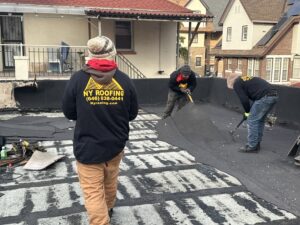
The installation process often begins with removing the existing roofing system. This is called tear-off. Tear-off allows the contractor to inspect the roof deck and find hidden moisture, damage, or weak areas.
In some cases, overlay may be considered, where a new system is installed over an existing roof. However, overlay is not always recommended. If old materials are wet, damaged, or unstable, covering them can trap problems.
Safety and debris disposal matter in NYC. Contractors must manage old materials, protect the property, and remove debris properly. This step helps prepare the roof for a clean and stable installation.
Step 2: Roof Deck Preparation
After tear-off, the roof deck is inspected and prepared. Damaged decking must be repaired or replaced before new materials are installed. A weak deck can affect the entire roof system.
Moisture must also be addressed. If water is trapped in the deck or insulation, the new roof may blister, leak, or fail early. The deck should be dry, stable, and ready to support the new assembly.
A moisture barrier or vapor control layer may be installed depending on the roof design. This helps manage condensation and protect the roofing system from internal moisture movement.
Step 3: Flat Roof Construction Steps Explained
Flat roof construction steps include insulation placement, slope creation, and preparation for waterproofing. Insulation helps improve energy efficiency and indoor comfort.
Tapered insulation may be used to create slope for drainage. This is important because flat roofs must still move water toward outlets. Without proper slope, ponding water can shorten roof life.
The contractor may also install cover boards for added durability. Cover boards can protect insulation and provide a stronger surface for the membrane.
Step 4: Membrane Installation
The membrane is the waterproof layer of the flat roof. Common options include TPO, PVC, EPDM, modified bitumen, and built-up roofing systems. The installation method depends on the material.
TPO and PVC are often heat-welded at the seams. EPDM may be adhered or mechanically attached. Modified bitumen may be torch-applied, cold-applied, or self-adhered depending on the system.
Proper membrane installation is critical. Seams, overlaps, fasteners, adhesives, and transitions must be completed according to manufacturer requirements.
Step 5: Flashing, Seams & Edge Detailing
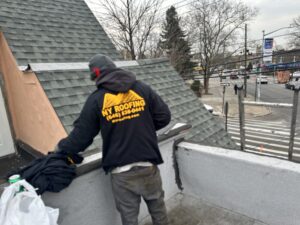
Flashing protects vulnerable areas such as walls, parapets, vents, skylights, drains, roof hatches, chimneys, and equipment curbs. Many roof leaks begin at these details, not in the middle of the roof.
Seams must be sealed correctly to prevent water intrusion. Edge detailing is also important because wind can lift poorly secured roof edges.
Flat roof construction detail matters most at transitions. A roof may fail early if flashing is rushed, sealants are poorly applied, or seams are not reinforced.
Step 6: Drainage System Integration
Drainage systems are integrated into the roof during installation. These may include internal drains, scuppers, gutters, downspouts, and overflow outlets.
The goal is to prevent ponding water. Drains should sit in the right locations, and the roof slope should direct water toward them. Scuppers and overflow drains can provide backup protection during heavy rain.
Drainage details must be waterproofed carefully. Poorly sealed drains or scuppers can become major leak points.
Step 7: Final Inspection & Quality Control
After installation, the roof should go through final inspection and quality control. The contractor checks seams, flashing, drains, edges, penetrations, and surface condition.
Leak testing may be performed when appropriate. The roofer may also inspect drainage paths to confirm water can move properly.
Manufacturer warranty compliance is also reviewed. Many roofing warranties require approved materials, correct installation methods, and proper documentation. Final inspection helps protect the owner and the roof system.
Specialized Flat Roof Construction Applications
Flat roofs are used on more than commercial buildings. Porches, sheds, residential additions, and solar-ready roofs all need proper construction and waterproofing.
How to Build a Flat Roof Porch
Learning how to build a flat roof porch starts with structure. A porch roof must have proper framing, load support, waterproofing, drainage, and flashing where it connects to the main building.
Waterproofing is especially important because porch roofs often connect to walls, doors, or upper-level surfaces. Poor flashing at the connection point can cause leaks inside the home.
Residential code compliance should be considered. A professional contractor can make sure the porch roof is built safely and designed to handle local weather.
How to Build a Flat Roof Shed
A flat roof shed may use lighter materials and simpler construction than a home or commercial roof. However, it still needs slope, waterproofing, and edge protection.
Cost-effective construction does not mean skipping drainage. Even a shed roof can leak if water sits on the surface or enters through seams.
For small sheds, lightweight membranes or roofing panels may be used. The best system depends on shed size, use, exposure, and budget.
Flat Roof Solar Installation Integration
Flat roof solar installation requires planning before panels are added. The roof structure must be able to support solar loads, mounting systems, and maintenance access.
The roofing membrane should also be in good condition before solar installation. Installing solar over an aging roof can create problems if the roof needs replacement soon after.
Coordination between roofers and solar installers is important. Mounting systems, penetrations, ballast, drainage, and walkways must be planned without damaging the waterproofing system.
Common Mistakes When Installing a Flat Roof
Flat roof installation mistakes can lead to ponding water, leaks, membrane failure, and costly repairs. Most problems begin with poor planning or weak workmanship.
Poor Drainage Design
Poor drainage design is one of the biggest mistakes in flat roof installation. If water does not move toward drains, scuppers, or gutters, it will collect on the roof surface.
Ponding water can damage membranes, stress seams, increase weight, and shorten roof lifespan. Over time, standing water may also lead to leaks and insulation damage.
A professional installer should evaluate slope, outlet placement, drainage capacity, and overflow protection before installation begins.
Incorrect Material Selection
Incorrect material selection can cause early roof failure. A roof system should be chosen based on building use, climate, foot traffic, drainage, budget, and long-term performance needs.
For example, a roof with restaurant exhaust may need a material with better chemical resistance. A roof with strong sun exposure may benefit from reflective materials. A roof with heavy foot traffic may need added protection.
Choosing the wrong system can lead to repairs that cost more than proper installation would have.
Skipping Professional Installation
DIY flat roof installation often fails because flat roofs require precise waterproofing, drainage, flashing, and seam work. A small mistake can lead to hidden leaks.
Searching how to install a flat roof may help property owners understand the process, but it does not replace professional training. NYC roofs also involve height, access, safety, and compliance concerns.
Professional installation protects the building, improves roof lifespan, and supports warranty coverage.
Common flat roof installation mistakes include:
- Installing a roof without proper slope or drainage planning
- Applying membrane over wet, damaged, or unstable decking
- Using materials that do not match the roof’s use or NYC climate
- Skipping flashing details around walls, drains, vents, and skylights
- Ignoring insulation, vapor control, or condensation risks
- Attempting DIY installation without proper tools, safety, or roofing experience
Choosing the Right Flat Roof Installation Contractor in NYC
The right contractor can determine whether your flat roof lasts or fails early. NYC property owners should choose experience, documentation, safety, and local knowledge.
What to Look for in a Flat Roof Installation Contractor
A flat roof installation contractor should have licensing where required, insurance, experience, and knowledge of flat roofing systems. They should understand TPO, PVC, EPDM, modified bitumen, BUR, insulation, flashing, and drainage.
Certifications can also be helpful. Manufacturer-trained contractors may offer better warranty options and product-specific installation knowledge.
A reliable contractor should provide a clear inspection, written estimate, material recommendations, project timeline, warranty information, and photos or documentation when needed.
Why Local NYC Experience Matters
Local NYC experience matters because city roofs have unique challenges. Buildings may be tall, attached, difficult to access, or surrounded by limited work space.
NYC weather also affects installation decisions. Rain, snow, heat, wind, and freeze-thaw cycles all influence material selection and roof design.
A local contractor understands brownstones, apartment buildings, commercial roofs, parapets, roof hatches, internal drains, scuppers, and rooftop equipment. This experience helps prevent mistakes.
Searching for Flat Roof Installation Near Me
When searching for flat roof installation near me, avoid choosing only based on the lowest price. A low bid may leave out important details like insulation, drainage upgrades, deck repair, or warranty coverage.
Red flags include vague estimates, no insurance proof, poor communication, pressure tactics, and no clear explanation of materials.
Ask questions before hiring. Find out what system they recommend, how drainage will be handled, what happens if deck damage is found, and what warranty is included.
Maintenance After Flat Roof Installation
Maintenance after flat roof installation protects your investment. Regular inspections, drainage cleaning, and early repairs help extend roof lifespan and preserve warranty coverage.
Post-Installation Care Checklist
After installation, property owners should follow a maintenance plan. The roof should be inspected regularly, especially before winter and after major storms.
Drainage outlets should be cleaned so water can move off the roof. Internal drains, scuppers, gutters, and downspouts should stay clear of leaves, debris, ice, and roofing granules.
Walkways and rooftop equipment areas should also be monitored. Foot traffic can damage membranes if proper protection is not used.
How Maintenance Extends Roof Lifespan
Maintenance extends roof lifespan by catching small problems early. A minor seam opening, clogged drain, loose flashing detail, or small puncture can become a major leak if ignored.
Regular care also supports warranty protection. Many roofing warranties require proper maintenance and documentation.
Professional maintenance can reduce long-term costs. It helps avoid emergency repairs, interior damage, and premature roof replacement.
To maintain a newly installed flat roof, property owners should:
- Schedule inspections at least once a year and after major storms
- Keep drains, scuppers, gutters, and downspouts clear
- Remove debris before it traps moisture on the roof surface
- Check flashing around vents, skylights, parapets, and roof hatches
- Limit unnecessary foot traffic and use walk pads near equipment
- Repair small punctures, seam issues, or drainage problems early
Flat Roof Installation Cost Breakdown in NYC
Flat roof installation cost in NYC depends on material, roof size, access, labor, old roof removal, deck condition, insulation, drainage, and project complexity.
Average Cost Ranges by Roofing Type
Different roofing systems have different cost levels. TPO, PVC, EPDM, modified bitumen, and BUR all require different materials, tools, labor, and installation methods.
TPO may be chosen for energy efficiency and cost balance. PVC may cost more but offers strong seam performance and chemical resistance. EPDM is flexible and durable. Modified bitumen provides tough layered protection.
The best way to understand pricing is through a detailed inspection and written estimate.
Commercial Flat Roof Installation Pricing Factors
Commercial flat roof installation pricing depends heavily on square footage. Larger roofs need more material, more labor, and more time.
Structural reinforcement may also affect cost. If the deck needs repairs or the roof must support equipment, solar panels, or added insulation, planning becomes more complex.
Access challenges can also increase labor. NYC buildings may require special setup, roof hatch access, hoisting, safety planning, or tenant coordination.
Long-Term ROI of Professional Flat Roof Installation
Professional flat roof installation can deliver strong long-term value. A properly installed roof reduces leaks, improves energy efficiency, protects interiors, and lowers repair frequency.
Good insulation and reflective materials may help reduce heating and cooling pressure. Proper drainage prevents ponding water and membrane damage.
A professional installation may cost more upfront than poor-quality work, but it often saves money through fewer repairs, better warranty support, and longer roof life.
Conclusion: Why Professional Flat Roof Installation Matters in NYC
Professional flat roof installation matters because NYC buildings need roofs that can handle heavy rain, snow, wind, heat, drainage demands, rooftop equipment, and dense urban conditions. A flat roof must be planned as a full system, not just a membrane.
From inspection and deck preparation to insulation, membrane installation, flashing, drainage, and final quality control, every step affects long-term performance. Poor workmanship can lead to ponding water, leaks, structural damage, and expensive repairs.
Protect your NYC property with professional flat roof installation from NY Roofing. Our team handles inspections, drainage planning, membrane installation, flashing, and long-term roof protection for residential and commercial buildings. Call (646) 838-0441 or visit 553 Prospect Ave., Brooklyn, NY 11215 to schedule your flat roof inspection today.
FAQs – Flat Roof Installation in NYC
How long does flat roof installation take in NYC?
Flat roof installation time depends on roof size, material type, access, weather, old roof removal, deck condition, and drainage work. Small residential projects may take less time, while larger commercial roofs or complex replacements can take longer.
What is the average flat roof installation cost?
Flat roof installation cost depends on roof size, material selection, labor, building height, access, old roof removal, insulation, drainage upgrades, and deck repairs. A professional inspection is needed for an accurate estimate.
Is flat roofing installation suitable for residential homes?
Yes, flat roofing installation can be suitable for residential homes, brownstones, porches, garages, row homes, and additions when the system is designed with proper waterproofing, insulation, flashing, and drainage.
Can solar panels be added after flat roof installation?
Yes, solar panels can often be added after flat roof installation if the roof structure, membrane condition, drainage, and load capacity are suitable. Roofers and solar installers should coordinate before installation.
How often should a flat roof be inspected after installation?
A flat roof should be inspected at least once a year and after major storms. Regular inspections help identify drainage issues, seam problems, flashing damage, punctures, and early leak risks.
What is the lifespan of a professionally installed flat roof?
The lifespan of a professionally installed flat roof depends on the material, installation quality, drainage, maintenance, weather exposure, and roof traffic. Proper installation and regular maintenance can help extend roof life.