Expert Brooklyn Roofing Contractor

(646) 838-0441

Call Now For a Free Quote

Roofing

When To Consider Reroofing: Is Your Roof Due For An Upgrade?

When it comes to protecting you and your things from the weather, your roof is one of the most important components of your home. Wear and tear, on the other hand, might take its toll over time, and it’s possible that your roof will need to be upgraded. Despite the fact that it is a considerable expenditure, re-roofing by an expert roofer is necessary in order to guarantee the security, functioning, and longevity of your personal residence. In this post, we will explore the signs that indicate it is time to think about re-roofing, as well as the elements that should be taken into consideration before beginning such a project. Age of the Roof When assessing whether or not a new roof is required, the age of your roof is an important consideration to take into account. The lifespan of the majority of roofs ranges from twenty to twenty-five years, depending on the materials that are used and the quality of the installation. If your roof is getting close to or has already passed this timeframe, it is possible that it is time to think about having it replaced. The indicators of age on your roof, such as curling shingles, granule loss, or noticeable wear and tear, signal that it is time for an upgrade to ensure that it will continue to work properly even if it looks to be in good condition. Roofs that leak all the time One of the most evident indications that your roof need maintenance is the existence of leaks that occur often on the roof. It is a clear indication that your roof is damaged if you observe water stains on your ceiling, moist patches on your walls, or apparent water infiltration after rainfall. These are all signs that your roof is having problems. Roof leaks can cause substantial damage to the structure of your home, as well as to the insulation and possibly the electrical systems involved. In the case that repairs are no longer successful in avoiding leaks, reroofing will be required in order to keep a home that is sealed against water and secure. Shingles that are either damaged or missing Your roof is shielded from the elements, including wind, rain, and ultraviolet radiation, by shingles, which are the first line of defense against the elements. As a result of extreme weather, aging, or improper installation, shingles have the potential to become damaged, cracked, or even disappear over the course of time. If you see that a substantial number of your roof’s shingles are missing or damaged, this is a clear signal that the integrity of your roof has been compromised. It is possible to replace worn-out shingles through the process of re-roofing, which increases the likelihood that your roof will continue to offer sufficient protection against the elements. Roof Deck That Is Sagging Immediate attention is required since a drooping roof deck is a serious structural problem that needs to be addressed. Absorption of an excessive amount of moisture, insufficient support, or weakened roofing materials are frequently the causes of this condition. A strong indication that your roof deck has weakened and is no longer able to hold the weight of the roofing materials is a noticeable dip or sag in your roofline. If you happen to notice this, you should take immediate action. In order to restore the structural integrity and safety of your roof, it is required to re-roof it and address any structural faults that may have been present from the beginning. Concerns Regarding Energy Conservation Having an old roof or one that is not well insulated can have a substantial influence on the energy efficiency of your home. You should think about re-roofing your home if you have seen a large increase in the amount of money you spend on your energy bills or if you have difficulties keeping the temperature inside your home at an acceptable level. In order to improve energy efficiency, newer roofing materials and insulation technologies have been developed. These technologies and materials reduce heat loss during the winter and heat gain during the summer. When you re-roof your home using materials that are more energy-efficient, you can reduce your monthly energy bills while also creating a more comfortable living environment. Aspects With Regard to Appearance The appearance of your roof can have a big impact on the exterior appeal of your home, even though problems related to its appearance might not be as important as those related to its structure. It is possible for your roof to detract from the overall appearance of your property if it has severe discoloration, algae development, or evident symptoms of aging. By picking contemporary roofing materials, colors, and styles that suit your architectural design and personal taste, you have the potential to improve the aesthetic appeal of your home through the process of re-roofing. Conclusion In order to ensure the security, comfort, and longevity of your home, it is vital to have a roof that is both well-maintained and functional. To prevent potential structural damage, water infiltration, and energy inefficiency, it is essential to be aware of the circumstances in which reroofing should be considered. It is possible that it is time to undergo a reroofing job if your roof exhibits signs of aging, such as frequent leaks, broken shingles, a sagging deck, concerns regarding energy efficiency, or cosmetic issues because of the roof. A professional roofing contractor should be consulted in order to evaluate the current state of your roof and decide the most appropriate course of action in order to guarantee that your roof will continue to be long-lasting, functional, and visually beautiful for many years to come, a more sustainable and resilient living environment. Reach out to us at 553 Prospect Avenue Brooklyn NY 11215 (646)-838-0441 https://www.nyroofing.com to get expert reroofing services that will protect your home.

When To Consider Reroofing: Is Your Roof Due For An Upgrade? Read More »
Exploring Different Gutter Materials: Which One Is Right For Your Climate?

When it comes to selecting the ideal gutter material for your home, understanding the impact of your climate is essential. The diverse weather conditions experienced in different regions can significantly affect the performance and durability of your gutters. From extreme temperatures and heavy rainfall to snow and high humidity, each climate presents unique challenges. Consult with professional roofers or experts in gutter installation to determine the best material for your specific climate and ensure that your gutters effectively protect your home for years to come. In this article, we will look at gutter materials, exploring their suitability for various climates. Best gutter materials Aluminum Gutters: Aluminum gutters are a popular choice for many homeowners due to their lightweight nature and resistance to corrosion. They are suitable for a wide range of climates, including coastal areas with high humidity and regions prone to heavy rainfall. Aluminum gutters are also highly durable and can withstand temperature fluctuations without warping or cracking. However, in areas with extreme cold temperatures, aluminum gutters may be prone to damage from ice buildup or heavy snow loads. Vinyl Gutters: Vinyl gutters are affordable, lightweight, and resistant to rust and fading. They are an excellent choice for climates with mild to moderate rainfall and moderate temperatures. Vinyl gutters may not be suitable for regions with extreme temperature fluctuations, as they can become brittle in very cold conditions and may crack or break. Steel Gutters: Steel gutters are known for their strength and durability, making them suitable for regions with harsh weather conditions. They can withstand heavy rain, snow, and high winds. It is common knowledge that steel are prone to rust, hence why gutters made from steel require regular maintenance to prevent future corrosion. In coastal areas with saltwater exposure, stainless steel gutters may be a better option as they offer enhanced resistance to corrosion. Copper Gutters: Copper gutters are known for their shinny aesthetic appeal, sleekness and longevity. They develop a beautiful patina over time, adding an elegant touch to your home. Copper gutters are suitable for various climates, including areas with heavy rainfall and extreme temperature fluctuations. They are highly durable and resistant to corrosion. Zinc Gutters: Zinc gutters are another option for homeowners seeking a durable and low-maintenance gutter material. Zinc are resistant to corrosion and because of this, they can withstand extreme weather conditions. Zinc gutters are suitable for regions with moderate to heavy rainfall and can also handle temperature fluctuations effectively. Like copper gutters, zinc gutters develop a natural patina over time, giving them a unique and attractive appearance. Conclusion Selecting the right gutter material for your climate is essential to ensure the longevity and performance of your gutter system. Consider the weather conditions in your region, including temperature fluctuations, rainfall patterns, and humidity levels. Aluminum and vinyl gutters are versatile options suitable for various climates, while steel and copper gutters are better suited for regions with harsh weather conditions. Reach out to us at 553 Prospect Avenue Brooklyn NY 11215 (646)-838-0441 https://www.nyroofing.com to get a professional consultation on the right gutter material for your roof.

Exploring Different Gutter Materials: Which One Is Right For Your Climate? Read More »

Exploring Sustainable Materials & Techniques For Reroofing

Exploring Sustainable Materials & Techniques For Reroofing

The decision to reroof your home can be a significant undertaking, and in an era where environmental sustainability is paramount, it’s not just about fixing leaks and updating aesthetics. It’s about making choices that consider the planet’s health and your home’s energy efficiency. To embark on your sustainable reroofing journey, we encourage you to reach out to a professional roofing company with expertise in eco-friendly roofing solutions. In this article, we will embark on a journey of exploration, discovering sustainable materials and techniques for reroofing that not only protect your home but also make a positive impact on the environment. The Roofing Industry’s Eco-Challenge The roofing industry has historically been associated with materials that aren’t exactly eco-friendly. Conventional asphalt shingles, for instance, have a significant environmental footprint due to their production process and eventual disposal in landfills. However, the good news is that there’s a growing awareness of these issues, which has led to the development of more sustainable alternatives and techniques. Sustainable Roofing Materials One of the most important decisions you’ll make when reroofing is choosing the right material. Here are some sustainable options to consider: Metal Roofing: Metal roofing has gained popularity for its durability and sustainability. Most metal roofs are made from recycled materials and can be recycled at the end of their long lifespan. They reflect sunlight, reducing cooling costs in hot climates, and are excellent for rainwater harvesting. Wood Shingles and Shakes: Wood shingles and shakes have been used for centuries and are a renewable resource. When sourced responsibly, they can be a sustainable choice. Look for certifications like the Forest Stewardship Council (FSC) to ensure ethical harvesting practices. Clay or Concrete Tiles: Clay and concrete tiles are long-lasting and have natural insulating properties, reducing energy consumption. They are often made from abundant, locally sourced materials, making them eco-friendly. Recycled Shingles: Some companies produce asphalt shingles using a significant percentage of recycled materials. While not as sustainable as some other options, these shingles still help divert waste from landfills. Solar Roofing: For the ultimate sustainable roofing solution, consider solar panels integrated directly into your roof. Solar roofing not only protects your home but generates clean, renewable energy, reducing your carbon footprint. Eco-Friendly Roofing Techniques Choosing sustainable materials is only part of the equation. The techniques used in the reroofing process can also impact the environment. Here’s how you can make the process eco-friendlier: Proper Roof Insulation: Adequate insulation not only improves your home’s energy efficiency but also reduces the strain on heating and cooling systems. Look for sustainable insulation materials like cellulose or recycled fiberglass. Cool Roofing: Cool roofing materials, which reflect more sunlight and absorb less heat, help reduce the urban heat island effect. They lower energy bills by keeping your home cooler in the summer. Rainwater Harvesting: Consider installing rain barrels or a more elaborate rainwater harvesting system in conjunction with your new roof. Collecting rainwater can help conserve water resources for non-potable uses, such as gardening Reclaimed Materials: If your reroofing project involves significant structural changes, consider using reclaimed or salvaged roofing materials. This is an excellent way to give new life to materials that would otherwise be discarded. Benefits of Sustainable Reroofing Environmental Impact: Choosing sustainable roofing materials and techniques is not just about improving your home; it’s a responsible step towards reducing your carbon footprint. By opting for eco-friendly options, you contribute to the overall well-being of our planet. The reduction in greenhouse gas emissions, minimized resource depletion, and less waste in landfills all play a part in mitigating the environmental damage typically associated with conventional roofing practices. Energy Efficiency: Sustainable roofing solutions go beyond their eco-conscious nature; they have a direct impact on your home’s energy efficiency. Many sustainable materials and techniques are designed to enhance your home’s insulation and cooling capabilities. With superior insulation, your home is better equipped to maintain a consistent indoor temperature. This translates into reduced energy consumption, ultimately leading to lower utility bills. Sustainable roofing materials can become your ally in the battle against rising energy costs and environmental degradation. Longevity and Durability: When it comes to choosing roofing materials, durability is a paramount consideration. Sustainable roofing materials are renowned for their longevity. They’re designed to withstand the test of time and harsh environmental conditions. This longevity not only translates into less frequent replacements but also reduces the overall environmental impact. By requiring fewer materials and production processes over the years, sustainable roofs contribute to a greener and more sustainable future. They are an investment in the long-term sustainability of your home and the planet. Aesthetic Appeal: Sustainability and style can go hand in hand when it comes to reroofing. Sustainable roofing options are not just eco-friendly; they also enhance the aesthetic value of your home. Whether you appreciate the classic, timeless beauty of wood shakes or prefer the modern, sleek appearance of solar panels, there is a sustainable roofing option to suit your unique style and complement your home’s architecture. By choosing a sustainable roofing material that resonates with your design preferences, you can achieve both visual appeal and eco-consciousness. Your home’s curb appeal can receive a significant boost while contributing to a more sustainable future. The marriage of sustainability and aesthetics ensures that your roof not only protects your home but also enhances its overall charm. Conclusion Making environmentally conscious decisions during a reroofing project is not only responsible but also economically beneficial in the long run. In an era where the consequences of climate change are becoming increasingly evident, every action we take to reduce our carbon footprint counts. Whether you choose metal, wood, or solar roofing, and whether you opt for rainwater harvesting or cool roofing techniques, your decision to prioritize sustainability can make a meaningful difference. Call an expert roofer today at 553 Prospect Avenue Brooklyn NY 11215 (646)-838-0441 https://www.nyroofing.com and take the first step toward a greener, more environmentally responsible home.

Exploring Sustainable Materials & Techniques For Reroofing Read More »

Weathering The Storm

Weathering The Storm: How Climate Change Impacts Chimney Repairs & Maintenance

In an era marked by the undeniable effects of climate change, even the most traditional aspects of homeownership are not immune to its far-reaching consequences. While you might not immediately associate climate change with chimney repairs and maintenance, the two are more interconnected than you might think. As extreme weather events become increasingly frequent and unpredictable, chimneys bear the brunt of these changes. Don’t wait for the next storm to hit. Call a professional chimney repair company today and be prepared for whatever climate change throws your way. This article explores how climate change is affecting your chimney and why proactive repairs and maintenance are essential in weathering the storm. The Climate Change Connection Climate change has given rise to a range of weather-related challenges, including intensified storms, erratic temperature fluctuations, and increased moisture levels. These environmental shifts directly impact your chimney’s structural integrity and function. More Intense Storms: Stronger storms with heavy rainfall and gusty winds can lead to water penetration into your chimney. Over time, this moisture can erode masonry, damage flue liners, and create a breeding ground for mold and mildew. It’s essential to ensure your chimney is weatherproofed to withstand these increasingly intense storms. Temperature Fluctuations: Climate change has led to erratic temperature swings, causing materials in your chimney to expand and contract rapidly. This can lead to cracks, weakening the overall structure. Regular maintenance is crucial to identify and address issues stemming from these temperature fluctuations before they worsen. Increased Humidity: Rising humidity levels can further exacerbate the effects of moisture on your chimney. Water damage is a persistent threat, and it’s vital to regularly inspect and repair any leaks or cracks that may allow water to infiltrate your chimney. Why Proactive Repairs and Maintenance Matter Ignoring the impact of climate change on your chimney can lead to a domino effect of issues, from structural damage to reduced energy efficiency. To prevent these problems, consider the following: Regular Inspections: Climate change-related damage is often subtle, making it difficult for homeowners to detect without professional inspection. Hiring a chimney expert to inspect your chimney regularly can reveal hidden issues before they escalate. Weatherproofing: Investing in weatherproofing solutions, such as waterproof sealants and chimney caps, can shield your chimney from moisture-related problems. These simple steps can significantly extend the lifespan of your chimney. Efficiency Improvements: Upgrading your chimney for improved energy efficiency is not only environmentally responsible but also cost-effective. Well-maintained chimneys burn fuel more efficiently, reducing your energy bills and your carbon footprint. As climate change continues to shape our world, our homes and the systems that protect them must adapt accordingly. By taking action now and seeking expert chimney repair and maintenance, you are not only securing your home’s future but also contributing to a more sustainable and resilient living environment. Reach out to us at 553 Prospect Avenue Brooklyn NY 11215 (646)-838-0441 https://www.nyroofing.com to get expert services that will safeguard your home.

Weathering The Storm: How Climate Change Impacts Chimney Repairs & Maintenance Read More »

Roofing Insurance Claims: Navigating The Process Successfully

Your roof plays a vital role in protecting your home from the elements, but it’s also one of the most vulnerable parts of your property. Storms, hail, wind, and other natural disasters can damage your roof, leading to costly repairs or replacements. Fortunately, homeowners’ insurance is designed to provide coverage in such situations. Always contact qualified roofing contractors to install your roof and obtain estimates for insurance claims. In this article, we’ll guide you through the steps to successfully navigate a roofing insurance claim. Step 1: Document the Damage The first and most crucial step in the process is to thoroughly document the damage to your roof. This includes taking clear photos and videos from various angles to provide visual evidence of the extent of the damage. Make sure to date-stamp your documentation to establish when the damage occurred. Step 2: Review Your Insurance Policy Before filing a claim, it’s essential to review your homeowners’ insurance policy carefully. Understand it thoroughly and if you have any questions about your policy, don’t hesitate to contact your insurance agent for clarification. Step 3: Contact Your Insurance Company Once you’ve documented the damage and reviewed your policy, contact your insurance company promptly to initiate the claims process. Provide them with a detailed description of the damage and share the documentation you’ve collected. They will guide you through the next steps, which may include sending an adjuster to assess the damage in person. Step 4: Roof Inspection The insurance company may send an adjuster to inspect your roof and assess the extent of the damage. It’s crucial to be present during this inspection to ensure that all damage is properly documented. If possible, you can also hire an independent roofing contractor to inspect your roof and provide their assessment. Step 5: Negotiate with Your Insurance Company In some cases, there may be a difference between the estimates provided by your roofing contractors and the amount offered by your insurance company. Don’t hesitate to negotiate with your insurer if you believe the offered amount is insufficient to cover the necessary repairs. Provide any additional documentation, including photos, videos, and contractor estimates, to support your case. Step 6: Approve Repairs and Make the Necessary Repairs Once you’ve reached an agreement with your insurance company, approve the repairs with your chosen roofing contractor. Ensure that the contractor is insured, licensed and have experience in working with insurance claims. Keep communication open with the contractor throughout the repair process to ensure that the work is completed to your satisfaction. In conclusion, successfully navigating a roofing insurance claim requires thorough documentation, a clear understanding of your policy, effective communication with your insurance company, and collaboration with experienced roofing professionals. By following these steps, you can ensure that your damaged roof is restored and that you receive the coverage you deserve under your homeowners’ insurance policy. Consult with us at 553 Prospect Avenue Brooklyn NY 11215 (646)-838-0441 https://www.nyroofing.com and get expert roofing services.

Roofing Insurance Claims: Navigating The Process Successfully Read More »

Roofing Materials Comparison: Asphalt Vs. Wood Shingles

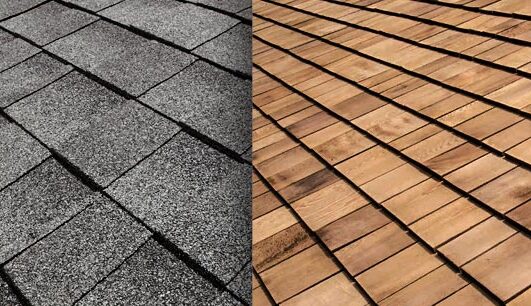
During the search for roofing materials, the choices can be overwhelming. Among the many options available, two of the most popular choices are asphalt shingles and wood shingles. Each material has its own set of advantages and disadvantages, making it essential for homeowners to understand the differences between them before making a decision. Note that you should always ask for a roofing expert’s recommendation before deciding on any roofing material. In this article, we will compare asphalt and wood shingles in terms of durability, cost, aesthetics, and environmental impact to help you make an informed choice for your roofing needs Durability Asphalt Shingles: Asphalt shingles are renowned for their remarkable durability, which is a key reason behind their widespread popularity among homeowners. These roofing materials are engineered to withstand a diverse array of challenging weather conditions, making them a reliable choice regardless of where you live. Whether your region experiences heavy rain, strong winds, snowstorms, or even the risk of wildfires, asphalt shingles have proven their ability to stand up to the elements. The durability of asphalt shingles is further exemplified by their resistance to fire and insect damage. They offer a robust shield against the threat of fire, providing added safety and peace of mind to homeowners. Additionally, pests that might wreak havoc on other materials are less likely to affect asphalt shingles. This inherent resistance makes them a smart choice for areas prone to termite infestations and other wood-destroying insects. With proper maintenance and care, asphalt shingles can endure for an impressive 15 to 30 years. In fact, high-quality options often lean towards the upper end of this range, making them an investment in long-term protection for your home. This longevity can significantly reduce the frequency and cost of roof replacements, further solidifying their status as a durable and dependable roofing solution. Wood Shingles: Wood shingles, typically crafted from cedar or redwood, offer a unique blend of natural beauty and charm, but they come with durability considerations that differ from asphalt. While wood shingles can provide approximately 20 to 25 years of service life, they require more attention and care to maintain their longevity. One of the primary challenges faced by wood shingles is their susceptibility to environmental factors that can lead to decay. Without regular maintenance and treatments to resist rot, mold, and mildew, these shingles may deteriorate prematurely. This means that homeowners who opt for wood shingles need to be proactive in caring for their roofs, including periodic inspections and treatments to protect against moisture-related issues. Furthermore, wood shingles are more vulnerable to insect infestations, especially if they are not adequately maintained. While cedar and redwood are naturally more resistant to pests than other wood types, ongoing vigilance and maintenance are essential to protect your investment. Cost Asphalt Shingles: When it comes to cost-effectiveness, asphalt shingles are hard to beat. They are one of the most budget-friendly roofing materials available. Both the materials themselves and the labor required for installation are typically less expensive than their wood shingle counterparts. This affordability makes them an attractive choice for homeowners who are budget-conscious or looking for an economical roofing solution. Wood Shingles: In contrast, wood shingles come at a premium cost. The materials themselves are more expensive than asphalt, and the installation process can be more labor-intensive, contributing to a higher overall cost. While the initial investment is significantly greater, some homeowners are willing to pay the extra price for the natural beauty and charm that wood shingles bring to their homes. Aesthetics Asphalt Shingles: Asphalt shingles offer a broad range of colors and styles, allowing homeowners to choose a look that complements their home’s design. They can even mimic the appearance of other materials, such as slate or cedar. However, they lack the authentic and rustic charm of real wood shingles, which may be a drawback for those who prioritize aesthetics. Wood Shingles: One of the most significant advantages of wood shingles is their natural beauty and timeless appeal. They exude a classic, elegant look that enhances the aesthetics of a home. Over time, wood shingles weather to a silvery-gray color, adding to their character and appeal. If aesthetics are at the top of your priorities, wood shingles often win the choice. Environmental Impact Asphalt Shingles: Asphalt shingles are petroleum-based products, and their production has an environmental impact. The manufacturing process involves the use of fossil fuels and results in emissions of greenhouse gases. Additionally, the relatively shorter lifespan of asphalt shingles, typically around 20-30 years, contributes to more frequent replacements and waste in landfills. Wood Shingles: Wood shingles have the potential to be more environmentally friendly, especially when sourced from sustainably managed forests. Cedar and redwood shingles are often harvested with sustainability in mind. When properly treated and maintained, wood shingles can last longer than asphalt, reducing the frequency of replacements and waste. However, it’s crucial to choose certified sustainably sourced wood to minimize the environmental impact fully. Conclusion In the end, the choice between asphalt and wood shingles depends on a variety of factors, including your priorities, budget, and the specific needs of your home. If cost and durability are your primary concerns, asphalt shingles offer a cost-effective and reliable roofing solution. They can provide robust protection for your home and come in various styles and colors to match your aesthetic preferences. On the other hand, if aesthetics and natural beauty are your top priorities, and you’re willing to invest more upfront and in maintenance, wood shingles can provide a classic and timeless look that adds character to your home. Ultimately, the right choice depends on your unique circumstances and preferences.  Whether you opt for the affordability and durability of asphalt shingles or the timeless beauty of wood shingles, a well-maintained roof will protect your home and enhance its curb appeal for years to come, ensuring you make the most of your investment. Get top notch roofing experience at 553 Prospect Avenue Brooklyn NY 11215 (646)-838-0441 https://www.nyroofing.com

Roofing Materials Comparison: Asphalt Vs. Wood Shingles Read More »

Metal Roofing Vs. Asphalt Shingles

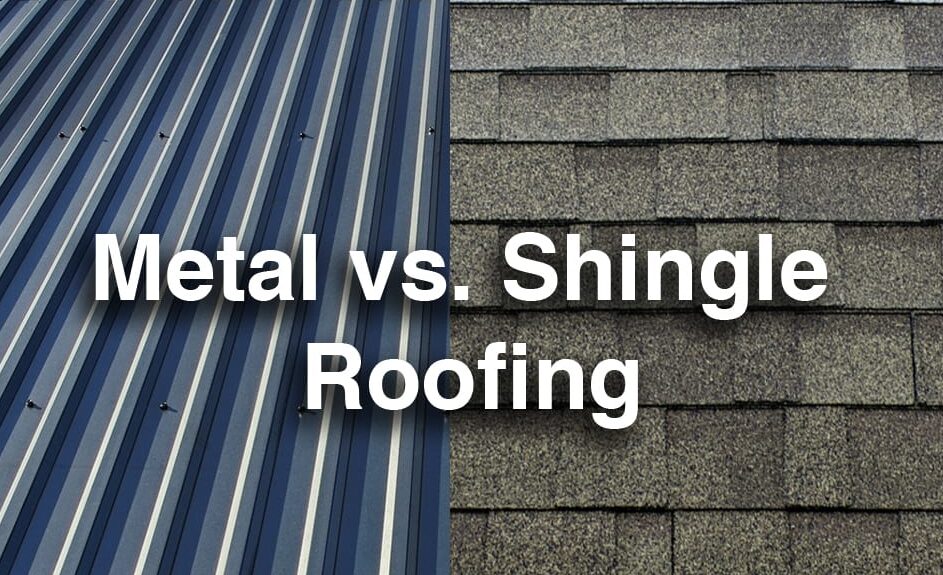
When it comes to roofing materials, homeowners often find themselves faced with the classic dilemma: metal roofing or asphalt shingles? Both options have their merits, but they also come with their own set of advantages and disadvantages. consulting with roofing professionals can provide valuable insights and help you choose the roofing material that best suits your home and needs. In this article, we’ll explore the pros and cons of metal roofing and asphalt shingles to help you make an informed decision for your home. Metal Roofing: Pros Durability: Metal roofing exceptional durability has never been questioned. It can withstand severe weather conditions, such as snow and heavy rain. Many metal roofs come with warranties that span several decades, making them a long-term investment. Longevity: Metal roofing can last 50 years or more, significantly longer than asphalt shingles, which typically have a lifespan of 15-20 years. This longevity means fewer replacements over the life of your home. Energy Efficiency: Metal roofs are highly reflective and can reduce heat absorption, keeping your home cooler during hot summers. This energy efficiency has many advantages but notably, it leads to lower cooling costs. Metal Roofing: Cons Cost: The initial cost of metal roofing is typically higher than asphalt shingles. However, the long-term savings in terms of durability and energy efficiency can offset this initial investment. Installation Complexity: Installing metal roofing requires a skilled and experienced individual. It’s essential to hire a professionals for proper installation. Noise: Some people associate metal roofs with noise during heavy rain or hailstorms. However, modern metal roofs are designed with insulation and underlayment to mitigate this issue. Style Limitations: While metal roofing comes in various styles and colors, it may not suit every architectural design. Some homeowners prefer the classic look of asphalt shingles. Asphalt Shingles: Pros Affordability: Asphalt shingles are more budget-friendly upfront. They are widely available and easy to install, reducing labor costs. Variety of Styles: Asphalt shingles come in a wide range of styles, colors, and textures, making it easier to match your home’s aesthetics. DIY-Friendly: For those with some DIY experience, asphalt shingle installation can be manageable, further reducing costs. Asphalt Shingles: Cons Shorter Lifespan: Asphalt shingles have a shorter lifespan compared to metal roofing, typically lasting 15-20 years. This means more frequent replacements and long-term costs. Maintenance: Asphalt shingles require regular maintenance, including inspections, cleaning, and occasional repairs. They are susceptible to mold, algae, and mildew growth. Environmental Impact: Asphalt shingles are not as environmentally friendly as metal roofing. They contribute to more landfill waste due to shorter lifespans and are made from non-renewable resources. In conclusion, the choice between metal roofing and asphalt shingles depends on your priorities and budget. Additionally, Whether you opt for the durability of metal roofing or the versatility of asphalt shingles, both options have their place in the world of roofing, offering homeowners reliable protection for their homes. Explore our roofing services at 553 Prospect Avenue Brooklyn NY 11215 (646)-838-0441 https://www.nyroofing.com and discover the perfect option for your home.

Metal Roofing Vs. Asphalt Shingles Read More »

Eco-Friendly Roofing Options For Sustainable Homes

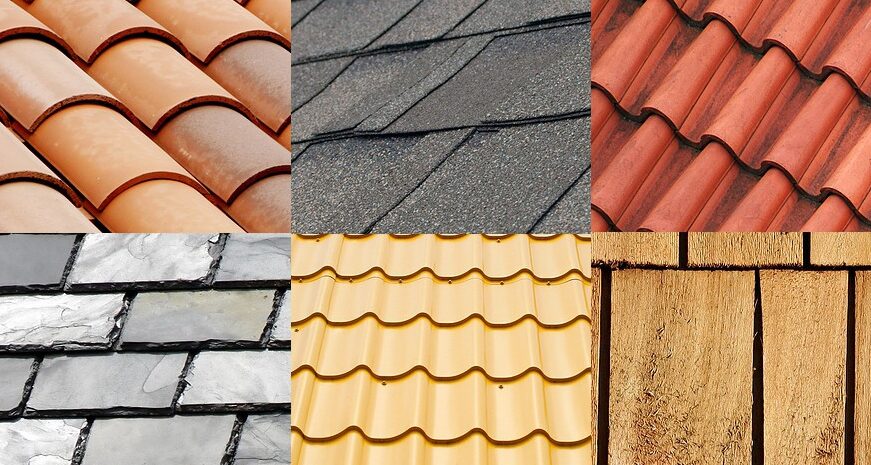
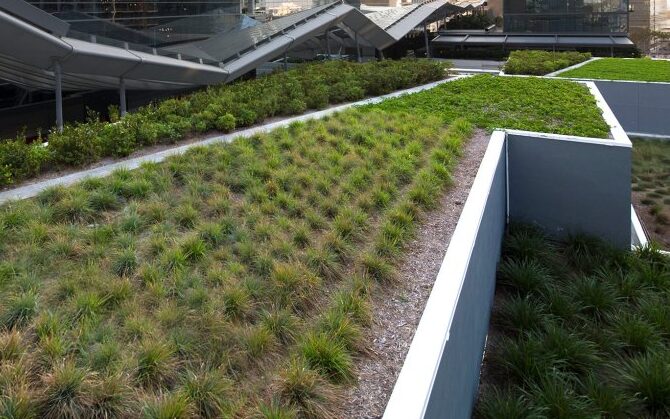
The drive towards sustainability and environmental responsibility has permeated all aspects of our lives, including the way we design and build our homes. With the construction industry increasingly adopting eco-friendly practices, it’s no wonder that homeowners are now looking for roofing options that align with their environmental values. Always contact a professional roofer before choosing a flat roof material. Roofing materials have a significant impact on a home’s sustainability, as they can affect energy efficiency, resource consumption, and even the overall lifespan of the building. In this comprehensive guide, we will explore a variety of eco-friendly roofing options available to homeowners who are committed to sustainability. Cool Roofs Cool roofs are designed with energy efficiency in mind. They are constructed using materials that reflect sunlight and absorb less heat than traditional roofing materials. Cool roofing materials come in various forms, including reflective shingles, tiles, and coatings. Advantages: Energy Efficiency: Cool roofs can significantly reduce cooling costs during hot summers by keeping the interior of your home cooler. Extended Roof Lifespan: The reduced heat absorption can help prolong the life of your roofing material. Reduced Urban Heat Island Effect: Cool roofs contribute to lowering temperatures in urban areas, making cities more comfortable. Metal Roofing Metal roofing has gained popularity as a sustainable roofing option. It is typically manufactured from recyclable materials such as steel, aluminum, or copper. Metal roofs are known for their  longevity and durability, lasting 50 up to years or more. Advantages: Recyclable: Most metal roofing materials are highly recyclable, reducing waste. Energy Efficiency: Metal roofs keeps your home cooler by reflecting harsh sun rays. Longevity: Metal roofs require minimal maintenance and can last several decades, reducing the need for replacement. Slate Roofing Slate roofing is a classic and sustainable choice for homeowners. It is constructed from natural slate tiles, which are extracted from quarries and shaped into roofing material. Slate roofs are known for their timeless beauty and exceptional longevity, with a lifespan that can extend to over a century. Advantages: Natural Material: Slate is a natural stone, making it a sustainable choice. Longevity: Slate roofs can last a century or more, reducing the need for replacement. Low Maintenance: They require minimal maintenance and are resistant to fire and pests. Wood Shingles or Shakes Wood shingles and shakes, often made from cedar or redwood, are a renewable and biodegradable roofing option. They have a distinct and rustic appearance that pleases  many homeowners. Advantages: Renewable Resource: Wood is a renewable resource, making it eco-friendly. Biodegradable: When they reach the end of their lifespan, wood shingles decompose naturally. Energy Efficiency: Wood has natural insulating properties, helping to regulate indoor temperatures. Recycled Roofing Materials Recycled roofing materials are a sustainable choice for environmentally conscious homeowners. These materials are typically manufactured from reclaimed or recycled materials, reducing the demand for new resources. Recycled roofing materials can include reclaimed metal, rubber, plastic, or even recycled wood. Advantages: Resource Conservation: Using recycled materials reduces the need for new resources. Durability: Many recycled roofing materials are designed to be long-lasting. Versatility: Recycled materials come in various forms, including shingles, tiles, and panels. Living or Green Roofs Green roofs, often referred to as living roofs, are at the forefront of sustainable roofing solutions. They involve planting vegetation on the rooftop, creating a living ecosystem. Advantages: Improved Insulation: Green roofs provide excellent insulation, reducing heating and cooling costs. Stormwater Management: They absorb rainwater and reduce runoff, helping with drainage. Air Quality: Green roofs filter pollutants from the air and promote biodiversity. Solar Panels While not a traditional roofing material, solar panels are an eco-friendly roofing solution that can transform your home into a renewable energy powerhouse. Solar roofing systems are becoming increasingly popular as a sustainable energy solution for homes. Advantages: Renewable Energy: Solar panels harness the sun’s energy, reducing reliance on non-renewable sources. Reduced Energy Bills: Use of Solar panels as power alternative can drastically lower your electricity bills. Environmental Benefits: Solar energy reduces greenhouse gas emissions and dependence on fossil fuels. Clay or Concrete Tiles Clay and concrete tiles are among the most durable and long-lasting roofing materials discovered. They are made from natural materials and are highly resistant to fire and pests. Advantages: Natural Materials: Clay and concrete tiles are made from abundant natural resources. Durability: They have a long lifespan and require minimal maintenance. Energy Efficiency: Their thermal mass can help regulate indoor temperatures. Rubber Roofing Rubber roofing, often made from recycled tires, is an eco-friendly option, especially for flat or low-slope roofs. It is a durable and versatile choice with a focus on sustainability. Advantages: Recycled Material: Rubber roofing repurposes old tires, reducing waste. Durability: It is resistant to harsh weather conditions and UV radiation. Energy Efficiency: Rubber roofs can help keep your home cooler in hot weather. Fiberglass Asphalt Shingles For homeowners who prefer the look of traditional shingles but still want an eco-friendly option, fiberglass asphalt shingles are worth considering. These shingles incorporate a significant percentage of recycled materials. Advantages: Recycled Content: They incorporate recycled materials, reducing the environmental impact. Affordability: Fiberglass asphalt shingles are often more budget-friendly than some other eco-friendly options. Ease of Installation: They are really easy and waste no time to install and replace. In conclusion, the roofing choices available to homeowners today extend far beyond mere functionality and aesthetics. In conclusion, the roofing choices available to homeowners today extend far beyond mere functionality and aesthetics. Eco-friendly roofing options not only reduce your carbon footprint but also offer long-term benefits such as energy savings, durability, and a healthier living environment. By choosing one of these eco-friendly roofing options, you can make a significant difference in your home’s environmental impact and create a more sustainable living space for generations to come. Consult with us at 553 Prospect Avenue Brooklyn NY 11215 (646)-838-0441 https://www.nyroofing.com and get expert advice for your roofing services.

Eco-Friendly Roofing Options For Sustainable Homes Read More »

Is It Good To Reroof Over Old Shingles?

Roofing over an existing roof is also known as reroofing or an overlay. It’s the course where roofers instate a new roof over your existing one, i.e., add a new tier of shingles, which means that the old roof won’t be peeled or teared off. Reroofing can also be suited when you simply demand or need change. However, adding a diverse design or color to your roof can systematically mingle up the look and sense of your home, if you’re thoroughly revamping your home and your roof needs to correspond the new style. Reasons You Should Not Reroof Over Old Shingles Adversity With Bumpy Exteriors Shingles are meant to suit flat, indeed shells. When shingles are impelled onto bumpy or gap-filled foundations, the older flaps will telegraph through to the new subcaste, making the top tier much harder to secure. Expenses In the long run, overlaying can be substantially more expensive than replacement. Saving a thousand dollars from a plain re-roofing may sound luring now, but the associated costs from a after replacement due to the poor foundation clearly won’t. Absence of Leak Proof Installation Overlaying shingles prevents roofers from duly installing water and ice leak-barriers. However, water leak walls are required as they ensure that ice doesn’t leak under the older shingles, if you live in an area with brutal winters or diverse environmental concerns. Incorrect Inspections Old shingles bar contractors from appropriately examining the condition of the existing roof. Although re-roofing remains a potentiality for homeowners, the presence of the old roof prevents roofers from duly examining the sundeck to check if there’s any damage plywood that needs to be repaired instead. Without starting from the base, a contractor will be unfit to relate if your home has the correct foundations in point before beginning the plan, which could lead to expensive repairs in the future. Building Regulations Specific geographic areas will have guidelines noting how many roof layers are permitted on structures. While some structure codes may allow re-roofing, others may only allow one tier of shingles. Weight Strain Small roofs cannot handle immense quantities of weight. tacking an alternate layer to your roof only increases that strain, and can create more roof problems, particularly if the area you live in receives a great deal of snow each year. Warranty Concerns Re-roofing can negatively affect the warranty on new shingles. Before any roofing installation, it’s perpetually smart to check with the manufacturer first about the conditions and all warranty concerns to avoid any miscommunications afterward. Moving Plans Re-roofing could drop your home’s value and make it more tough to sell, if you plan on moving in the near future. Although re-roofing won’t affect the current homeowners, new possessors will be forced to tear off two layers of shingles afterward. For this reason, many home inspectors will report two level roofs and inform interested buyers about the knots that re-roofing brings with it. How It Is Done New shingles fixed over old ones can be just as alluring and durable as shingles fixed on bare sheathing, if conditions are right. If you’re still persuaded that you need to reroof over old shingles, this will aid to install them rightly; Kickoff by taking off the ridge caps. Doing it now will make it easier to keep the reroofing job pristine. Use a round pry bar or roofing shovel to pry out and take off the ridge shingles. take off all the nails. Remove air outlets and pipe flashings by prying out or coiling the fasteners gripping the fixtures. However, repair them If you spoil shingles while doing this. Reuse an outlet or flashing only if it’s new; else, replace it with a new one that will suit the hole or pipe. Glue the fragmented piece back in place applying roofing cement, if a shingle is torn or cracked. Cut a new piece to suit the existing shingle, If the broken piece is misplaced. The end is to give a nicely flat surface for the new shingles to lie over, with no gaps higher than1/2 inch. Using a large broom, brush down all the broken shingle pieces, outgrowths, and any other debris that could get trapped under the new shingles that you will install. Keep the roof squeaky-clean as you work. At the eave and the rake, install U-shaped drip-edge flashing formed for reroofing jobs. Install the eave piece first, additionally the rake piece over it. The two bits should meet neatly at the intersections. Drive nails at high points on the underpinning roof, the underparts of the shingles. Nonetheless, install substitute W-shape metal or vinyl valley flashing to go straight over the old flashing, if you have an open valley. Attach it by punching nails into the outside edges only. Don’t drive nails lower than 6 inches from the base of the flashing. Rip-cut the shingles for the first procedure so they butt up against the third course of existing shingles and are even with the frontal edge of the starter course. Their tab grooves shouldn’t line up with the tab slots of the starter course, if there are any. Nail the shingles exactly above the tab slots. Install air outlets in a resembling manner. For both plumbing-outlet flashing and air vents, you will want to cut the shingle above to go around the flashing and also install the shingle. Where you meet a chimney stack or side wall, install step flashing. Apply a shingle, likewise a piece of flashing, then a shingle, and so on, so that each piece of flashing rests on cover of the lower course and is covered by the upper course. You need to contact a professional roof contractor about which approach is best for your home, if you’re still struggling between re-roofing and roof substitute. We are here to give professional advice and services, reach out to us at 553 Prospect Avenue Brooklyn NY 11215 (646)-838-0441 https://www.nyroofing.com

Is It Good To Reroof Over Old Shingles? Read More »

How Roof Vents Prevents Condensation

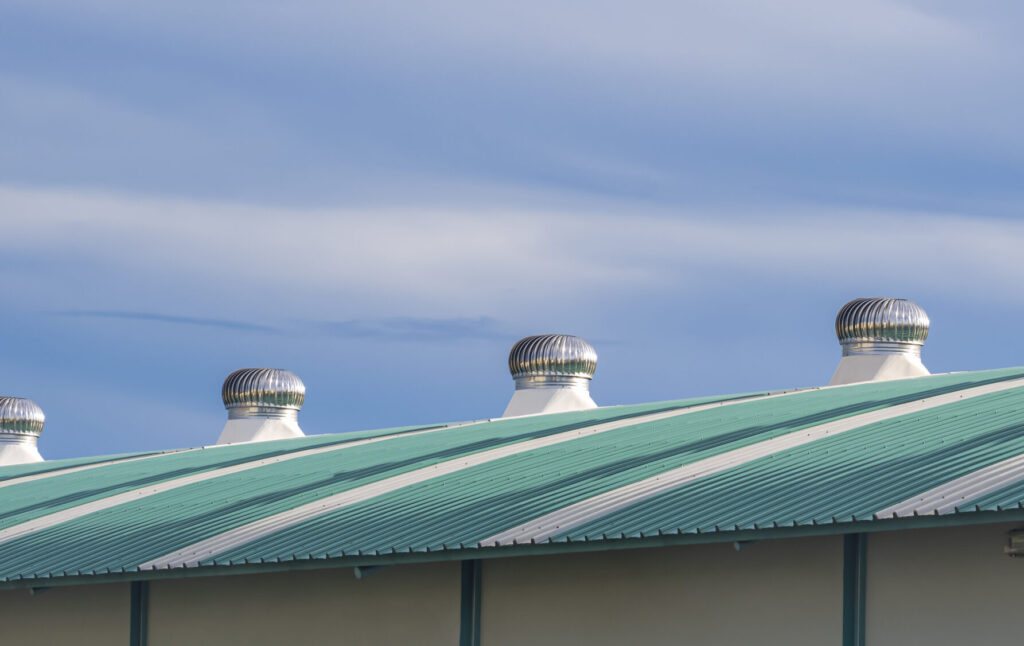
Roof vents are also called attic vents; these vents ensure there’s a good quantum of tailwind and ventilation in your Home. The overall purpose of roof vents is to keep cool in the summer and dry during the colder months. Encouraging natural tailwinds and circulation makes your home comfier by supplying a way for hot, damp, or stale air to leave the house. Attic ventilation is important in both hot and cold climates. Unventilated or inadequately ventilated houses don’t have a getaway passage for the heat that builds up. This buildup of heat can ruin your shingles from the inside out. An evenly vented roof will allow the hot air to escape keeping your roof and attic cooler. Continued ridge vents are more effective because they’re installed at the peak of a roof’s ridge, allowing for entrapped tepid air to escape from the attic. It also works more because it allows external moving creating a vacuum when the wind blows over the top of the roof. This helps produce the right air balance in your home, which plays an important part in keeping your home comfortable. How condensation forms Condensation forms when warm, wettish air collides with cold exteriors. Eventually, the cold exterior can’t hold the redundant water and so condensation forms on the surface. We frequently see this passing on windows and other glass surfaces that act as a hedge between inside spaces and the out-of-door air and world. For illustration, imagine a cold winter morning and you’re starting your car. The cold air outside of your car cools down your windshield, so when you start the car (and turn on the heat) you’re creating an environment where the windshield is much cooler than the air inside your auto. The warm air from inside your auto heats the windshield until the exterior of the windshield starts to warm up. The cold air outside the auto meets the warm windshield and condensation forms. To get relieve of the “fog” you need to turn on the cold air to lower the windshield’s temperature and neutralize the difference between the outside air temperature and inside windshield temperatures. Now let’s look at an example of dangerous condensation. Imagine you’re taking a shower and the hot, wettish air comes into contact with the colder restroom walls. That clash causes condensation drips on your walls (something you’ve presumably endured firsthand). Wet restroom walls encourage mildew and mold growth which can, in turn, invoke respiratory problems and other ails. Industrial roofing condensation brings about similar issues. While mold growth is a real problem with commercial roofs, redundant moisture can also beget structural damage. That’s why we need to learn how to avert condensation as a building owner or homeowner. Condensation & Your Roof Condensation forms because your new roof stays colder than the air around your structure, particularly at night when the temperature drops (and your roof is cool) but the inside of the structure is being heated. The warm air in your structure rises to meet the colder roof and the excess moisture condenses on the underpart of the roof surface, generally on the underpart where the water driblets are out of sight and out of mind. That condensation can lead to corrosion, and at best, you’ll end up with a roof leak. At worst, your roof system is endangered, and there’s no reason to risk disaster and roof replacement when there are impeccably respectable ways to help condensation. When you install roof vents to combat the threat of condensation, the regulated roof temperature also helps constrain the temperature throughout the property. This can mean less energy consumption and thus lower energy bills. Some old houses will have plodded along for years without any authentic ventilation in their loft spaces but if you’re re-roofing it makes sense to consult your professional roofer about this. This will avert problems in the future. Occasionally it’s possible to have changes made to your home which impact the ventilation indirectly. For instance, upgrading from double glazing to triadic glazing will produce further humidity and warmth in the home, meaning that the current vents might not be suitable to manage. Situations like this can arise from adding further insulation anywhere in the home, fitting new glazing, having a baby or a permanent new occupant in the home and rising dampness. Spotting visible signs of condensation on the inside of your roof is an indicator that the roof isn’t duly ventilated. You may see driblets of water (occasionally known as ‘roof sweating’) or damp patches. You might also notice a musty smell or mold growing on old clothes or boxes stored in the attic. In an inadequately ventilated or unventilated roof, warm air can get trapped. Warm air is fluently generated during a normal day of living or working in a structure simple activity including cooking, raining and drying clothes produce redundant humidity in the air. When this air has nowhere to go, it causes condensation. This has become even more usual since people have been insulating their homes better (using insulation, windows etc.) without considering the correct ventilation for the age and type of the property. Conclusion in conclusion, condensation can reduce the life expectancy of your roof materials which is why roof vents are necessary. In the case of loft insulation, condensation can indeed cause damage (loft roll, for instance, can become ineffective if it gets too damp). In the short term, this can have minimal effect on your day-to-day life but in the long term, you’ll develop damp troubles which could amount to rotting timber in the roof and wetness leaking through the ceiling. Contact us now at 553 Prospect Avenue Brooklyn NY 11215 (646)-838-0441 https://www.nyroofing.com/ for inquiries and to get premium roofing services.

How Roof Vents Prevents Condensation Read More »