
Flat roofs can be economical, stylish, and functional when they’re installed correctly. Unfortunately, poor installation choices are one of the main reasons flat roofs fail prematurely. Whether you’re a homeowner, building manager, or contractor, knowing the common mistakes helps you avoid costly repairs down the road. If you’re tackling a project, bring in an Expert roofer to make sure everything is done right the first time.
Skipping a Proper Structural Assessment
One of the earliest missteps is assuming the existing structure can handle additional loads. Roof gardens, solar panels, or even heavy roofing systems can exceed the roof’s load capacity. Failing to assess and reinforce the structure can lead to sagging, leaks, or worse. An expert roofer will insist on a structural review before materials are specified.
Inadequate Waterproofing and Membrane Selection
Choosing the wrong membrane or skimping on waterproofing layers is another frequent error. A flat roof depends on its membrane to keep water out and not all membranes perform equally in every climate. UV exposure, thermal movement, and foot traffic all influence which system is best. A knowledgeable professional will select a membrane that matches your climate, building use, and budget.
Poor Drainage Design
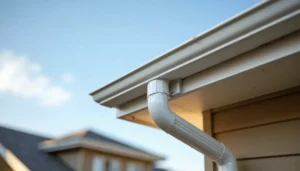
Flat roofs aren’t truly flat they need slight slopes and well-placed drains, scuppers, or gutters to avoid ponding water. Installers sometimes overlook subtle slope issues or fail to clear and protect drains during installation. Standing water accelerates membrane degradation and invites leaks. An expert roofer designs and verifies drainage so water moves away efficiently.
Improper Flashing and Detail Work
Leaks rarely occur in the middle of a roof; they appear at details around parapets, vents, skylights, and flashings. Rushed or sloppy flashing work is a leading cause of failure. Properly integrated flashings and careful detailing at transitions are essential. A seasoned roofer pays attention to these small but critical areas.
Poor Adhesion and Seaming Techniques
Inconsistent temperature during installation, dirty surfaces, or incorrect fastener spacing can compromise seams. This leads to gaps and water ingress. Professional installers follow manufacturer guidelines precisely and test seams as needed.
Neglecting Expansion and Contraction
Materials expand and contract with temperature swings. If allowance for movement is ignored for example, by rigidly fastening materials or omitting expansion joints seams can split and membranes can tear.
Rushing Installation or Cutting Corners
Time pressure and budget constraints tempt crews to cut corners: quicker flashings, fewer fasteners, or skipping inspections. These shortcuts almost always create bigger expenses later. A quality installation takes the time it needs, and an expert roofer won’t rush critical steps.
Failing to Plan for Maintenance and Access
Finally, some installs forget practical maintenance needs access routes, rooftop equipment spacing, or drain access. Designing a roof that’s impossible to service makes future upkeep expensive and risky.
Avoid costly mistakes and protect your building with a professional installation. Contact an Expert roofer now at 553 Prospect Avenue Brooklyn NY 11215 (646)-838-0441 https://www.nyroofing.com
Frequently Asked Questions About Flat Roof Installation Mistakes
What is the most common flat roof installation mistake?
One of the most common mistakes is poor drainage design, which allows water
to pool on the roof surface and accelerates membrane deterioration and leaks.
Why is structural assessment important before installing a flat roof?
A structural assessment ensures the roof can support the weight of roofing
materials, equipment, or additions like solar panels without sagging or failure.
How does improper waterproofing affect a flat roof?
Inadequate waterproofing or the wrong membrane choice can lead to early leaks,
UV damage, seam failure, and costly interior water damage.
Why do flat roof leaks often occur around edges and penetrations?
Leaks usually form at flashings, vents, skylights, and parapets where improper
detailing or poor installation allows water to penetrate.
Can poor seam installation cause flat roof failure?
Yes. Incorrect seaming techniques, dirty surfaces, or improper temperatures
during installation can cause seams to separate and allow water intrusion.
Why should maintenance access be planned during installation?
Planning access for drains and rooftop equipment makes future inspections and
repairs safer, faster, and less expensive.