
Common Roofing Issues in Manhattan: Apartment and commercial buildings often develop because city roofs face pressure from weather, building age, limited access, rooftop equipment, and dense urban construction. Many Manhattan roofs are flat or low-slope, which makes drainage, waterproofing, and regular maintenance especially important.
High-rise and mid-rise buildings also deal with wind exposure, seasonal rain, snow, heat, freeze-thaw cycles, and rooftop system traffic. A small roof problem can affect tenants, offices, retail spaces, inventory, and building operations.
For property owners, managers, and building boards, early maintenance is the best way to reduce leaks, emergency repairs, and premature roof replacement.
Roofing Challenges in Manhattan Buildings
Manhattan buildings have roofing challenges that are different from many suburban properties. Roofs are often harder to access, surrounded by nearby buildings, and exposed to constant weather changes.
Apartment buildings, mixed-use structures, office buildings, retail properties, and older commercial spaces may all have flat roofing systems with drains, parapet walls, skylights, vents, HVAC units, and many roof penetrations.
These details make inspection and maintenance more important. A roof may look fine from below, but hidden damage can be developing around seams, flashing, drains, or rooftop equipment.
Why Manhattan Roofs Face Unique Challenges
Manhattan roofs face unique challenges because of dense urban infrastructure. Buildings are close together, access can be limited, and roof work may require careful planning for safety, debris handling, and scheduling.
Extreme weather also affects roof performance. Heavy rain can expose drainage issues. Snow and ice can add weight. Summer heat can dry out membranes and sealants. Strong wind can loosen flashing, edges, and roof materials.
Many Manhattan buildings are older, which means roof decks, drainage systems, masonry walls, and flashing details may need extra attention during inspections.
Importance of Early Detection
Early detection helps prevent small roofing issues from becoming expensive repairs. A minor flashing gap, clogged drain, small puncture, or cracked membrane may not seem urgent, but it can allow water into the building over time.
For apartment and commercial buildings, early detection protects tenants, assets, equipment, and interior finishes. It also helps extend roof lifespan by reducing stress on the roofing system.
Regular inspections give property owners time to plan repairs instead of reacting to emergency leaks.
Everyday Manhattan Roof Issues Handled with Care
Manhattan roof issues can appear in many forms, depending on roof type, building age, and maintenance history. Some problems are visible from the roof surface, while others show up as ceiling stains, leaks, or moisture inside the building.
NY Roofing Manhattan understands that apartment and commercial roof problems need careful inspection and practical solutions. The goal is not just to patch the visible damage. The goal is to find the source, protect the building, and reduce future risk.
1. Shingle Damage
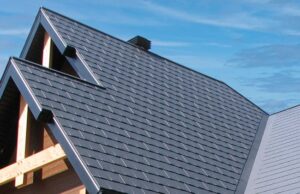
Some Manhattan buildings have pitched roof sections with asphalt shingles. Shingle damage may include cracked, missing, lifted, or curled shingles. Weather, aging, poor ventilation, and wind exposure can all weaken shingles over time.
When shingles fail, water can reach the underlayment and roof deck, creating leak risks that may spread into the building.
2. Structural Damage
Structural roof damage may involve weakened decking, sagging roof sections, deteriorated framing, or moisture-damaged materials. It often develops when leaks are ignored for too long.
Water infiltration can weaken roof layers and interior support areas. In apartment or commercial buildings, this can create safety concerns and expensive repair needs.
3. Roof Leaks
Roof leaks are among the most common roofing issues in Manhattan buildings. Water may enter around flashing, drains, seams, skylights, vents, walls, or roof penetrations.
Leaks can be difficult to trace because water may travel before appearing inside. A professional inspection helps identify the true source before repairs begin.
4. Improper Installation
Improper installation can cause long-term roofing damage. Poor workmanship may include weak seams, incorrect flashing, poor drainage slope, loose materials, or incompatible repair products.
These problems can shorten roof lifespan and create repeated leaks. Hiring experienced roofers helps reduce installation-related failures.
5. Poor Ventilation
Poor ventilation can trap heat and moisture inside roof or attic areas. This may lead to condensation, material aging, mold concerns, and shingle damage.
In Manhattan buildings, ventilation problems may be harder to notice because roof systems are often complex. Regular inspection helps identify airflow and moisture concerns before damage spreads.
Most Common Roofing Issues in Manhattan Buildings
The most common roofing issues in Manhattan buildings often involve leaks, ponding water, membrane damage, flashing failure, structural deterioration, and rooftop equipment stress.
These problems may appear separately, but they often connect. For example, poor drainage can cause ponding water. Ponding water can weaken membranes. Weak membranes can create leaks. Leaks can damage insulation and roof decking.
For property owners, the key is not waiting until water enters the building. Routine inspections and preventive maintenance can identify these issues early.
Roof Leaks and Water Infiltration
Roof leaks and water infiltration are serious concerns for apartment and commercial buildings. Even a small leak can damage ceilings, walls, flooring, insulation, electrical areas, and tenant spaces.
Common leak sources include cracked flashing, open seams, clogged drains, damaged membranes, skylight edges, roof penetrations, and parapet walls. In Manhattan buildings, water may travel along beams, ceilings, and wall cavities before showing visible signs.
Leaks should never be ignored. A small ceiling stain may mean water has already moved through hidden layers. Professional leak detection helps find the entry point and prevent repeated damage.
Ponding Water on Flat Roofs
Ponding water happens when water remains on a flat roof after rain. It is common on low-slope roofs with poor drainage, clogged drains, sunken areas, or uneven roof surfaces.
Standing water can weaken membranes, add weight, encourage algae growth, and increase leak risk. It can also accelerate roof aging, especially around seams, patches, and roof penetrations.
In Manhattan, flat roofs often collect debris from nearby buildings, trees, and rooftop equipment. Regular drain cleaning and slope evaluation help reduce ponding water problems.
Roof Membrane Damage
Many Manhattan apartment and commercial buildings use flat roof membranes such as TPO, EPDM, PVC, modified bitumen, or built-up roofing. These materials protect the roof from water, sun, and weather exposure.
Membrane damage can include cracks, punctures, shrinkage, blisters, seam separation, and worn coatings. UV exposure, rooftop traffic, aging, and poor installation can all weaken membranes over time.
If membrane damage is not repaired early, water can reach insulation and roof decking. This can increase repair costs and may eventually require roof replacement.
Flashing Failures
Flashing protects vulnerable roof areas where surfaces meet. It is used around walls, chimneys, skylights, vents, drains, HVAC curbs, parapets, and roof edges.
Flashing failures are common because these areas move, expand, contract, and face heavy water exposure. Sealants may crack, metal may loosen, and old flashing may separate from the roof surface.
Poor sealing around flashing can allow water into the building even when the main roof surface looks strong. During inspections, flashing should always be checked carefully.
Structural Deterioration
Structural deterioration may develop when roof leaks, trapped moisture, or long-term neglect weaken the roof deck or support areas. This can be especially concerning in older Manhattan buildings.
Warning signs may include soft spots, sagging areas, repeated leaks, interior moisture, or visible cracks near roof edges. Structural problems can become expensive if ignored.
Regular maintenance helps identify roof deck concerns before they become safety issues. If structural deterioration is suspected, the roof should be evaluated by qualified professionals.
HVAC and Rooftop Equipment Damage
Commercial and apartment buildings often have rooftop HVAC units, exhaust vents, pipes, and service equipment. These systems add weight and create roof penetrations.
Frequent maintenance traffic around equipment can wear down membranes. Poorly sealed curbs, supports, and penetrations can also become leak points.
Roofing Problems Specific to Apartment Buildings in Manhattan
Apartment buildings in Manhattan often have shared roofing responsibilities, multiple tenants, rooftop access rules, and complex maintenance needs. A roof issue may affect one unit, several apartments, common areas, or the entire building.
Property managers and boards need a clear inspection schedule because small roof issues can quickly become tenant complaints, water damage, and repair disputes.
Shared Roof Usage Challenges
Some apartment buildings use roof areas for access, equipment, recreation, or maintenance. Shared roof usage can create wear around walking paths, roof doors, railings, drains, and rooftop equipment.
Tenant access can also make maintenance more complicated. Foot traffic may damage membranes if the surface is not protected with walk pads or proper coverings.
Coordinating roof inspections, repairs, and access notices is important. A clear maintenance plan helps reduce disruption while protecting the roof system.
Drainage and Blockage Issues
Drainage problems are common in apartment buildings with flat roofs. Drains, scuppers, gutters, and downspouts may become clogged with leaves, debris, roofing granules, trash, or ice.
When drainage systems are blocked, water can overflow or remain on the roof surface. This increases leak risk and can damage roof materials.
Routine drain cleaning is one of the simplest ways to prevent common roofing issues. Building staff should also watch for signs of overflow, ceiling stains, or water collecting near roof edges.
Roofing Issues in Commercial Buildings in Manhattan
Commercial buildings in Manhattan often have heavy rooftop demands. Offices, retail properties, restaurants, mixed-use spaces, and warehouses may rely on rooftop equipment, ventilation systems, and frequent roof access.
Because of this, commercial roof maintenance must be organized, documented, and performed by qualified professionals.
High Equipment Load and Foot Traffic
Commercial roofs often support HVAC units, exhaust fans, service platforms, satellite equipment, piping, and other rooftop systems. These components create penetrations and add stress to the roof.
Frequent rooftop access from maintenance crews can also damage membranes if walkways are not protected. Dropped tools, sharp equipment, and repeated foot traffic can create punctures or worn areas.
Commercial buildings should use walk pads where regular access is needed. Inspections should focus on equipment curbs, supports, flashing, and high-traffic paths.
Compliance and Inspection Challenges
Commercial buildings may have insurance requirements, maintenance records, warranty conditions, and local building expectations. Property owners should keep inspection reports, repair records, and photos organized.
A well-documented roof history can help with planning, insurance discussions, warranty questions, and future repairs. It also shows that the roof has been maintained responsibly.
Professional inspections help commercial owners stay ahead of issues that could affect safety, tenants, and business operations.
More Information about Roofing Problems
Roofing problems can come from storms, poor drainage, aging materials, weak installation, or delayed maintenance. Understanding the most common causes helps property owners respond faster.
Not every problem requires full replacement. Some issues can be repaired if found early. Others may indicate that the roof system is near the end of its useful life.
Roof Storm Damage
Storm damage may involve wind-lifted materials, punctures, damaged flashing, clogged drains, fallen debris, and water intrusion. Snow and ice can also stress flat roofs and drainage systems.
After major storms, Manhattan property owners should schedule inspections if they notice leaks, debris impact, missing materials, or unusual roof conditions. Fast action can prevent minor storm damage from spreading.
Gutters and Downspouts
Gutters and downspouts are important for moving water away from the roof and building. If they clog or overflow, water may back up into roof edges, walls, or foundation areas.
On flat roofs, drains and scuppers serve a similar purpose. Regular cleaning reduces ponding water and overflow risks.
Drainage maintenance should be part of every roof care plan.
Full Replacement vs. Repair
Repair may be enough when damage is limited, the roof is still strong, and leaks are isolated. Replacement may be needed when the roof has widespread damage, repeated leaks, wet insulation, or major aging.
A professional inspection helps property owners compare repair value against long-term replacement needs. The right decision depends on roof condition, cost, lifespan, and building use.
Causes Behind Common Roofing Issues in Manhattan
Common roofing issues in Manhattan usually come from weather stress, poor installation, aging systems, and lack of maintenance. These factors often work together.
A roof that is already old may be more vulnerable to storms. A poorly installed roof may fail faster under heat and rain. A roof with clogged drains may develop ponding water and membrane damage.
Weather and Climate Stress
Manhattan weather includes heavy rainfall, winter snow, summer heat, wind, and freeze-thaw cycles. These conditions expand and contract roofing materials over time.
Flat roofs are especially sensitive because water drains more slowly. Repeated weather stress can weaken seams, flashing, coatings, and membranes.
Seasonal inspections help catch damage before harsh weather creates bigger problems.
Poor Installation or Aging Systems
Poor installation can cause leaks, drainage problems, weak seams, and premature roof failure. Low-quality materials or rushed repairs can make these issues worse.
Aging roof systems are also more vulnerable. Older membranes may crack, shrink, blister, or separate. Flashing and sealants may lose strength.
Regular inspections help determine whether repair, coating, restoration, or replacement is needed.
Lack of Maintenance
Lack of maintenance is one of the biggest reasons small roofing issues become major damage. Missed inspections allow clogged drains, cracked flashing, loose seams, and minor leaks to go unnoticed.
By the time water appears inside, the damage may already be larger than expected.
Preventive maintenance helps protect the roof and gives property owners more control over repair planning.
How to Identify Early Signs of Roofing Problems
Early signs of roofing problems may appear inside or outside the building. Property owners, managers, and maintenance teams should know what to look for.
Finding early signs does not mean the roof is failing completely. It means the roof needs inspection before the issue spreads.
Interior Warning Signs
Interior warning signs include ceiling stains, damp walls, bubbling paint, mold smells, peeling plaster, wet insulation, and water near light fixtures.
In apartment buildings, tenants may report leaks in top-floor units, hallways, stairwells, or utility rooms. In commercial buildings, leaks may appear near storage areas, offices, or mechanical rooms.
Any interior water sign should be inspected quickly because the visible damage may not show the full leak path.
Exterior Warning Signs
Exterior warning signs include cracks, blisters, ponding water, loose flashing, clogged drains, punctures, lifted membrane edges, and damaged roof coatings.
On shingle sections, warning signs may include missing shingles, curling, granule loss, or exposed underlayment.
Roof inspections should also check parapet walls, coping, skylights, vents, and HVAC curbs. These areas are common leak sources.
Preventive Maintenance Tips for Manhattan Roofs
Preventive maintenance is the best way to reduce common roofing issues in Manhattan buildings. It helps extend roof life and prevent sudden repair emergencies.
Maintenance should be consistent, documented, and handled by experienced roofing professionals.
Regular Inspections
Schedule roof inspections at least twice a year, ideally in spring and fall. Additional inspections should be completed after major storms, heavy winds, or visible leaks.
During inspections, roofers should check drains, gutters, seams, flashing, membranes, roof edges, and penetrations. Cleaning debris from drains and gutters is also important.
Regular inspections help catch problems before they affect tenants or business operations.
Professional Maintenance Plans
Professional maintenance plans provide scheduled roof care and documentation. They may include inspections, photos, minor repair recommendations, drain cleaning, flashing checks, and leak prevention planning.
For apartment and commercial buildings, maintenance plans make budgeting easier and reduce surprise emergency calls.
A local roofing company can create a plan based on roof type, age, building use, and maintenance history.
Why Trust NY Roofing Manhattan?
NY Roofing Manhattan provides professional roofing inspections, repairs, maintenance support, and emergency roofing solutions for Manhattan apartment and commercial buildings. Our team understands the challenges of city roofing, including flat roofs, older structures, limited access, rooftop equipment, drainage problems, and weather exposure.
Property owners need a roofing company that focuses on safety, clear communication, and long-term protection. NY Roofing Manhattan helps identify issues early, explain repair options clearly, and provide practical solutions based on roof conditions.
Whether your building needs leak repair, flat roof maintenance, flashing repair, storm damage inspection, or full replacement guidance, working with local roofing professionals can protect your property and reduce future risk.
Repair vs Replacement – What Property Owners Should Know
| Factor | Roof Repair | Roof Replacement |
| Best For | Small, isolated damage | Widespread or recurring roof problems |
| Common Situations | Minor flashing repair, small membrane patches, drain cleaning, localized leak repair | Multiple leaks, wet insulation, structural deterioration, severe membrane aging |
| Roof Condition | Roof system is still in good overall condition | Roof system is near the end of its service life |
| Cost Approach | Lower short-term cost | Higher upfront cost but better long-term value when the roof is failing |
| Timeline | Usually faster and less disruptive | Takes more planning, labor, and material coordination |
| Long-Term Value | Works well when damage is limited | Better when repeated repairs are becoming expensive |
| Best Next Step | Schedule a professional inspection to confirm the repair area | Schedule a full roof evaluation to compare replacement options |
Conclusion – Protecting Your Roof from Common Roofing Issues
Common roofing issues in Manhattan apartment and commercial buildings can include leaks, ponding water, membrane damage, flashing failure, structural deterioration, drainage problems, and rooftop equipment damage. These problems often start small but become expensive when ignored.
Regular maintenance, early inspections, and professional repairs help protect tenants, building assets, and long-term property value. Manhattan roofs need special attention because of weather exposure, dense construction, older buildings, and limited access.
Do not wait until a minor roof issue becomes a major leak. Contact NY Roofing Manhattan at (212) 660-0557 or visit 31 E 31st St, New York, NY 10016 to schedule an inspection and protect your roof before costly damage develops.
FAQs on Common Roofing Issues in Manhattan Buildings
What are the most common roofing issues in Manhattan?
The most common roofing issues in Manhattan include roof leaks, ponding water, membrane damage, flashing failure, clogged drains, structural deterioration, and rooftop equipment damage. These problems are common in apartment and commercial buildings because many have flat roofs, older systems, and limited roof access.
How often should roofs be inspected?
Apartment and commercial roofs in Manhattan should usually be inspected at least twice a year, ideally in spring and fall. Additional inspections are recommended after major storms, heavy wind, snow, visible leaks, or rooftop equipment work.
What causes roof leaks in commercial buildings?
Commercial roof leaks are often caused by damaged membranes, failed flashing, clogged drains, open seams, roof punctures, aging materials, poor installation, or leaks around HVAC units and other roof penetrations. A professional inspection can identify the true source.
Is ponding water dangerous for flat roofs?
Yes, ponding water can be dangerous for flat roofs if it remains for too long. It can weaken roofing membranes, add weight, increase leak risk, and speed up roof aging. Drainage issues should be inspected and corrected early.
When should a roof be replaced instead of repaired?
A roof may need replacement when leaks are widespread, insulation is wet, the membrane is severely aged, structural damage is present, or repairs no longer provide lasting results. If damage is small and isolated, repair may still be enough.
How can I extend my roof lifespan?
You can extend roof lifespan with regular inspections, drain and gutter cleaning, quick leak repairs, flashing maintenance, debris removal, professional maintenance plans, and timely repair of small issues. Preventive care helps avoid premature roof failure.