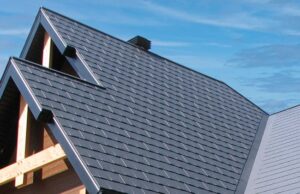
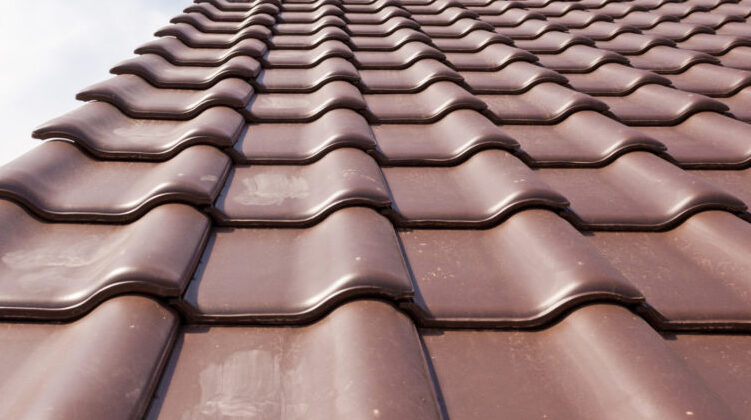
DIY roof repair is becoming more popular in NYC as homeowners look for ways to control rising roof maintenance costs. Small leaks, minor cracks, loose flashing, and simple patching may seem manageable with basic tools and online guidance. For some small issues, a careful temporary fix can help reduce immediate water intrusion until a professional inspection is scheduled.
But NYC roofs are not always simple. Buildings face heavy rain, snow, freeze-thaw cycles, summer heat, strong winds, and limited roof access. Flat roofs are common across Brooklyn, Queens, Manhattan, the Bronx, and Staten Island, and they require proper drainage, waterproofing, and safe repair methods.
This guide explains what DIY roof repair can and cannot handle, how to approach minor repairs safely, what DIY flat roof repair kits include, what cheap DIY roof repair NYC solutions may actually cost, and when calling a professional roofer is the smarter long-term decision.
What Is DIY Roof Repair?
DIY roof repair means handling small roofing issues yourself using basic tools, repair materials, and guidance. It is best limited to minor, safe, and temporary roof problems.
DIY roofing repair can include small leak patching, sealing tiny cracks, securing loose flashing, replacing a few damaged shingles, or applying temporary protection before professional service. The goal is usually to reduce immediate damage, not rebuild the roof system.
A leaking roof repair DIY approach may help when the issue is small and easy to access. For example, a homeowner may seal a minor gap, clear debris from a roof edge, or apply a temporary patch on a low-risk roof surface. DIY roof leak repair tips from guides or videos can help homeowners understand the basics, but they should not replace professional judgment.
Some roof types are more DIY-friendly than others. A low shed roof or small porch roof may be easier to inspect than a tall NYC home or apartment roof. Flat roof repairs can look simple, but hidden moisture, weak seams, and ponding water can make them more complicated.
Free DIY roof repair NYC resources can be helpful for learning terms, identifying warning signs, and understanding materials. However, they should be used carefully. If the roof is high, wet, icy, steep, unstable, or actively leaking into electrical areas, DIY work is not safe.
DIY roof repair may be reasonable for:
- Small cracks, tiny gaps, or minor surface damage that is easy to access safely
- Temporary leak control until a professional roofer can inspect the roof
- Loose flashing edges that do not involve major water damage or structural issues
- A few damaged shingles on a low, stable, and safely accessible roof
- Minor shed roof repairs where the roof is low and simple
- Basic debris removal from safe roof edges, gutters, or accessible drainage areas
Safety First: What to Know Before Starting Roof Repair DIY
Roof repair DIY projects can be dangerous without the right safety planning. NYC buildings often involve height, narrow access, wet surfaces, nearby structures, and legal restrictions.
Essential Safety Gear for DIY Roof Repair
Safety gear is the first requirement for any DIY roof repair attempt. Homeowners should use non-slip shoes, heavy-duty gloves, eye protection, and stable ladders. For higher roofs, fall protection may be necessary, but most homeowners are not trained to use it properly.
Wet, icy, or moss-covered roofs should be avoided. Even flat roofs can be dangerous because water, debris, loose membranes, or soft spots can cause slips. A roof edge may also be closer than it appears when someone is focused on a leak.
NYC building safety considerations are especially important. Many homes are attached, multi-level, or surrounded by limited space. If roof access requires climbing through a hatch, crossing a narrow edge, or stepping near skylights, a professional should handle the work.
NYC Building Rules & Permissions
NYC building rules and permissions can depend on property type, ownership structure, repair scope, and whether structural work is involved. A small temporary patch may be different from membrane replacement, deck repair, or major roof work.
Apartment buildings, condos, co-ops, and rental properties may have restrictions on who can access the roof or perform repairs. Homeowners should check building rules, management policies, and insurance requirements before attempting DIY roofing repair.
For anyone searching for the best DIY roof repair NYC option, safety and permissions should come before materials. If the work affects waterproofing, structure, shared property, warranties, or building compliance, hiring a professional is usually the better path.
Step-by-Step DIY Roof Repair Guide
A DIY roof repair should be limited to small, safe problems. The steps below are for basic temporary repairs, not major leaks, structural damage, or full roof restoration.
Step 1: Identify the Roof Problem
Start by locating the problem from inside and outside the building. Inside, look for ceiling stains, peeling paint, damp insulation, mold odors, or active dripping. The visible stain may not be directly below the roof opening because water can travel along decking, insulation, or framing.
Outside, check for missing shingles, cracked sealant, loose flashing, punctures, open seams, clogged drains, or ponding water. Flat roof issues often appear near drains, scuppers, parapet walls, roof edges, skylights, vents, and HVAC curbs.
For DIY roof leak repair, avoid guessing. Mark the suspected area, take photos, and compare interior damage with roof details above it. If the leak source is unclear or water appears in multiple places, call a professional.
Step 2: Clean and Prepare the Area
Before any repair material is applied, the area must be clean and dry. Remove loose debris, dirt, leaves, broken pieces, and old failed sealant if it can be done safely. Do not scrape aggressively if the roof surface is fragile.
Drying the surface is critical. Most sealants and patches will not bond properly to wet, dirty, or unstable materials. If rain is expected soon, a temporary cover may be safer than applying a permanent patch in poor conditions.
For flat roofs, also check whether standing water is present. If water continues to collect around the repair area, the patch may fail because the drainage problem has not been solved.
Step 3: Fix Minor Leaks and Cracks
For minor leaks and cracks, homeowners may use roof-grade sealant, patch material, or flashing tape designed for the roof type. The product must match the surface. A material that works on asphalt shingles may not work on EPDM, TPO, PVC, or modified bitumen.
Leaking roof repair DIY best practices include applying materials only to clean, dry surfaces, following manufacturer instructions, and avoiding overuse of sealant. Thick, messy layers of the wrong product can trap moisture and make future professional repair harder.
A DIY patch should usually be treated as temporary. If the leak returns, spreads, or appears after every storm damage, the roof needs professional diagnosis.
Step 4: Repair or Replace Damaged Shingles
If a few shingles are damaged on a low and safely accessible roof, replacement may be possible. The damaged shingle roof should be removed carefully, and the roof replacement should match the surrounding material as closely as possible.
Temporary fixes may include sealing lifted edges or covering a small exposed area until a roofer arrives. Long-term repair requires proper nailing, underlayment checks, flashing review, and secure placement.
Roof repair DIY tips for shingles should always include caution. If many shingles are missing, the roof is steep, decking feels soft, or water has entered the attic, DIY repair is not enough.
Step 5: Inspect Your Work
After the repair, inspect the area carefully. Look for gaps, loose edges, missed cracks, or areas where water could still enter. A controlled water test may help, but it must be done carefully to avoid forcing water into the roof.
Preventive checks should include nearby flashing, drains, gutters, seams, roof edges, and interior ceilings. If the repaired area still shows moisture or dripping after rain, the patch did not solve the source.
Document everything. Take photos before and after the repair. If you later call a roofer, this information can help them understand what was done.
DIY Flat Roof Repair in NYC: Kits, Materials & Tools
DIY flat roof repair is common in NYC because flat roofs are widespread. However, flat roof repairs require correct materials, drainage awareness, and careful waterproofing.
What Is DIY Flat Roof Repair?
DIY flat roof repair refers to small surface fixes on low-slope roofing systems. These may include patching a minor puncture, sealing a small seam gap, or applying temporary leak protection. Flat roofs are common in NYC because they are practical for apartments, row homes, brownstones, and commercial roof buildings.
The challenge is that flat roofs hold water longer than sloped roofs. A small patch may fail if ponding water, clogged drains, wet insulation, or membrane separation is present.
DIY flat roof repair basics start with identifying the roof type. EPDM, TPO, PVC, modified bitumen, and built-up roofing all require different repair materials. Using the wrong product can make the problem worse.
DIY Flat Roof Repair Materials Explained
DIY flat roof repair materials may include roof sealants, reinforcement fabric, flashing tape, patch kits, primer, rollers, utility knives, gloves, and cleaning supplies. The exact material depends on the roof system.
Sealants are used for small cracks, gaps, and temporary waterproofing. Reinforcement fabric may be embedded into certain coatings or sealants to strengthen the repair. Flashing tape may help with small detail repairs around edges or transitions when compatible with the roof surface.
Materials should never be chosen only because they are cheap. A cheap DIY roof repair NYC product that does not bond to the roof can fail quickly and create more damage.
Best DIY Flat Roofing Kits for NYC Homes
A good DIY flat roofing kit should include compatible patch material, primer if needed, sealant, reinforcement fabric, application tools, and clear instructions. It should clearly state which roof materials it works with.
Kits may be useful for small, temporary repairs on low-risk roofs. They are not ideal for large leaks, saturated insulation, membrane failure, drainage problems, or roof areas with structural damage.
Homeowners should avoid kits when they do not know the roof type. If the roof is old, soft, blistered, ponding, or repeatedly leaking, professional repair is safer.
Special Cases: DIY RV Roof Repair vs Residential Roofs
DIY RV roof repair methods may be useful for vehicles, but they do not always apply to NYC residential or commercial buildings. Roof systems are very different.
RV roofs are usually smaller, lower, and built with different materials than home roofs. RV repair products may be designed for mobile surfaces, lightweight membranes, or vehicle-specific sealants. These materials may not bond correctly to NYC flat roofs, asphalt shingles, modified bitumen, TPO, PVC, or EPDM.
A common mistake is assuming any waterproof sealant will work on any roof. Home and building roofs must handle larger drainage loads, structural requirements, snow, wind, and long-term exposure. For NYC buildings, roof material compatibility is essential.
DIY Roof Repair Cost in NYC: Is It Really Cheaper?
DIY roof repair may seem cheaper at first, but hidden costs can appear when materials fail, leaks return, or roof damage spreads.
Average DIY Roof Repair Costs
Average DIY roof repair costs usually include materials, tools, safety equipment, and time. Basic sealants, patches, flashing tape, brushes, gloves, and cleaning supplies may seem affordable compared to hiring a roofer.
However, tools can add up quickly. A homeowner may need ladders, protective gear, application tools, roof-safe cleaning products, and extra materials if the first repair fails.
Cheap DIY roof repair NYC solutions may help for temporary protection, but they are not always cheaper long term. If the repair fails during the next storm, the final cost may include professional repair plus interior damage.
Hidden Costs of DIY Repairs
Hidden DIY costs include repeat repairs, wrong materials, roof damage from improper application, and safety risks. A bad patch can trap moisture under a membrane or force water into another area.
Mistakes can also increase the risk of full roof replacement NYC projects. If water is allowed to spread into insulation, decking, or structural areas, the roof may need more than a surface repair.
Warranty issues are another hidden cost. Some roofing systems require approved repair methods. DIY products may void warranty coverage if they are not compatible or professionally installed.
DIY Roof Repair vs Professional Roof Repair
This comparison helps NYC property owners understand when a DIY repair may be reasonable and when calling a professional roofer is the safer choice.
| Factor | DIY Roof Repair | Professional Roof Repair |
| Best for | Small, temporary, low-risk fixes | Leaks, flat roof issues, structural damage, repeated problems |
| Safety | Risky on high, wet, steep, or unstable roofs | Proper equipment, training, and safer work practices |
| Materials | Homeowner may choose the wrong product | Roofer matches materials to the roof system |
| Cost | Lower upfront for minor fixes | Better long-term value when damage is complex |
| Warranty impact | May void coverage if done incorrectly | Can support warranty-compliant repairs |
| Diagnosis | Often limited to visible damage | Finds hidden moisture, drainage issues, and root causes |
| Long-term result | Often temporary | More reliable and durable repair solution |
When Should You Call Roofing Contractors in the NYC?
You should call roofing contractors in the NYC when damage is large, unsafe, repeated, structural, warranty-related, or beyond a simple temporary repair.
Structural damage is a major sign that DIY is not appropriate. Sagging rooflines, soft decking, cracked supports, or large water stains should be inspected professionally.
Large leaks also require expert help. If water is actively entering the building, affecting electrical areas, or spreading through multiple rooms, a professional roofer should respond quickly.
Repeated DIY failures are another warning sign. If a patch works for a few days and then leaks again, the real source has not been fixed. Roofing contractors in the NYC can identify the cause and recommend a long-term solution.
Warranty issues also matter. If your roof is under warranty, professional repair may be required to keep coverage valid. In many cases, hiring a roofer saves money by preventing repeated damage and premature replacement.
Conclusion: Should You DIY or Hire a Pro?
DIY roof repair can be helpful for small, temporary, low-risk issues when the roof is safely accessible and the homeowner understands the material being repaired. It may help reduce immediate water intrusion until a professional roofer can inspect the roof.
However, DIY is not the right choice for major leaks, flat roof failures, structural damage, high roofs, wet surfaces, repeated patch failures, or warranty-sensitive work. In NYC, roof access, weather, building height, and flat roof drainage problems make professional roofing service the safer long-term option.
Need expert help after a DIY roof repair attempt? NY Roofing provides professional roof inspections, flat roof repair, roof leak repair, and long-term roofing solutions for NYC properties. Call (646) 838-0441 or visit 553 Prospect Ave., Brooklyn, NY 11215 to schedule your inspection today.
FAQs: DIY Roof Repair in NYC
Is DIY roof repair legal in NYC?
DIY roof repair rules in NYC can depend on the building type, repair scope, ownership structure, and whether structural work is involved. Condo, co-op, rental, and apartment buildings may also have roof access restrictions. When in doubt, ask a professional before starting work.
Can DIY roof leak repair last long-term?
DIY roof leak repair is usually best for temporary or minor fixes. Long-term results depend on the roof material, leak source, surface preparation, and whether hidden moisture or drainage issues are present. Repeated leaks should be inspected by a professional roofer.
What is the best DIY flat roof repair method?
The best DIY flat roof repair method depends on the roof material and damage type. Small compatible patches or sealants may help temporarily, but flat roofs with ponding water, wet insulation, open seams, or repeated leaks should be repaired professionally.
Are DIY flat roof repair kits reliable?
DIY flat roof repair kits can be reliable for small temporary repairs when they match the roof material and are applied correctly. They are not reliable for major leaks, structural damage, saturated insulation, or roofs with drainage problems.
When does DIY roof repair become unsafe?
DIY roof repair becomes unsafe when the roof is high, steep, wet, icy, soft, structurally damaged, or near electrical hazards. It is also unsafe when the leak is active, widespread, or difficult to locate. In these cases, call a professional roofer.