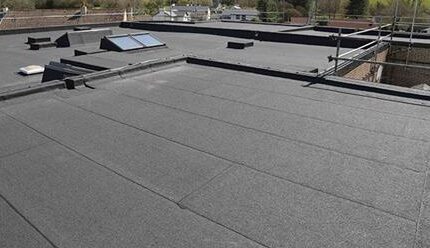
Flat roof drainage solutions are critical for NYC buildings because water does not naturally run off flat and low-slope roofs as easily as it does on pitched roofs. In New York City, heavy rain, snowmelt, aging roof systems, clogged drains, and older building structures can quickly turn minor drainage issues into serious roof problems.
When water pools on a flat roof, it can weaken roofing membranes, damage seams, create leaks, saturate insulation, and increase structural stress. Over time, poor drainage may also lead to mold, interior water damage, roof deck deterioration, and costly repairs. For landlords, property managers, commercial building owners, and homeowners, ignoring drainage problems can also create insurance and compliance concerns.
This guide explains what flat roof drainage systems are, why water accumulation happens, the most common drainage problems in NYC buildings, types of roof drainage systems, drainage design details, cost factors, maintenance tips, and how professional drainage upgrades can help protect your property.
What Are Drainage Solutions for Flat Roofs?
Flat roof drainage solutions are systems and design methods that move water off a low-slope roof. They prevent ponding, leaks, membrane stress, and long-term structural damage.
Why Flat Roofs Are Prone to Water Accumulation
Flat roofs are not completely flat, but their slope is much lower than a pitched roof. Because the slope is minimal, water needs carefully planned drainage paths to leave the roof surface.
Water accumulation often happens when outlets are blocked by leaves, debris, ice, roofing granules, or construction materials. In NYC, debris can collect quickly because buildings are close together and roofs are exposed to wind-blown dirt, tree debris, and pollution.
Settling and structural deflection can also create low spots. Over time, parts of the roof deck may sag slightly, allowing water to collect in certain areas. Poor drainage detail during installation can make this worse, especially when drains are placed too high or too far from low areas.
How Flat Roof Drainage Systems Work
Flat roof drainage systems work by directing water toward specific outlets. These outlets may be internal drains, scuppers, gutters, downspouts, or overflow drains. The roof surface must be sloped correctly so water moves instead of sitting.
Some drainage systems rely mainly on gravity. Water flows across the roof and exits through drains or side-wall openings. Internal drain systems move water through pipes inside the building, while scuppers allow water to exit through parapet walls.
Slope is one of the most important details. Even the best flat roof drainage outlet cannot work properly if water cannot reach it. Tapered insulation, crickets, saddles, and proper drain placement help create better water flow paths.
Common Flat Roof Drainage Problems in NYC Buildings
NYC flat roofs often suffer from ponding water, blocked drains, leaks, and aging drainage details. These problems can damage membranes, interiors, insulation, and long-term roof performance.
Standing Water & Ponding
Standing water, also called ponding water, is one of the most common flat roof drainage problems. It happens when water remains on the roof surface after rain or snowmelt instead of draining away.
Many roof professionals treat water that remains for about 48 hours after rainfall as a warning sign, although the seriousness depends on roof design, weather conditions, and material type. Water that sits too long can weaken membranes, collect dirt, and accelerate aging.
Ponding water also adds weight to the roof. If water repeatedly collects in the same spot, it can deepen the low area and make drainage worse. Over time, this can shorten membrane lifespan and increase leak risk.
Roof Leaks & Interior Damage
Pooling water increases the chance of roof leaks repair because it places constant pressure on seams, flashing, drains, and membrane details. Even a small weakness can allow water to enter the roofing system.
Once water enters, it may travel through insulation or along the roof deck before appearing inside. Ceiling stains, bubbling paint, damp drywall, mold odors, and saturated insulation may all point to drainage-related roof damage.
Interior damage can become expensive quickly. What begins as a small drainage problem may turn into ceiling repair, insulation replacement, mold cleanup, or structural roof repair if ignored.
Code & Insurance Risks
Flat roof drainage problems may also create code and insurance concerns. Building owners are expected to maintain roofing systems and prevent conditions that create water damage or structural risk.
If a roof leak happens because drains were neglected, gutters were blocked, or ponding water was ignored for a long time, an insurance claim may become more difficult. Insurers may question whether the damage came from sudden weather or lack of maintenance.
Professional inspections and flat roof maintenance records help protect property owners. They show that drainage issues were monitored and addressed before major damage occurred.
Types of Roof Drainage Systems Used on Flat Roofs
Several types of roof drainage systems are used on NYC flat roofs. The right system depends on roof size, slope, building design, and water volume.
Internal Roof Drains
Internal roof drains are one of the most common flat roof drainage systems in NYC. These drains collect water from the roof surface and send it through vertical pipes inside the building.
They are often used on large flat roofs, commercial buildings, apartment buildings, and properties with parapet walls. Internal drains keep water away from exterior walls, which can help protect the building facade.
The benefit of internal drains is that they can handle large roof areas when designed correctly. The downside is that clogs or pipe issues may be harder to access because parts of the system run inside the building. Regular cleaning and inspection are essential.
Flat Roof Drainage Scuppers
Flat roof drainage scuppers are openings through parapet walls or roof edges that allow water to leave the roof. They are often used as primary drainage on some buildings and as overflow protection on others.
Scuppers are valuable because they provide a visible water exit point. If water is flowing through an overflow scupper often, it may signal that the primary drain system is blocked or undersized.
In NYC buildings, scuppers are commonly combined with internal drains to create backup protection. This is especially useful during heavy storms when water volume increases quickly.
Flat Roof Drainage Gutters & Downspouts
Gutters and downspouts are common on smaller buildings, low-rise structures, and some residential properties. They collect water along the roof perimeter and move it down to safe discharge areas.
For flat roofs, perimeter drainage must be designed carefully. If gutters are too small, clogged, or poorly sloped, water can back up onto the roof. This can damage roof edges, fascia, walls, and foundation areas.
Gutters and downspouts need regular maintenance in NYC because leaves, ice, and debris can block water flow quickly.
Emergency Overflow Drains
Emergency overflow drains are secondary safety systems. They are designed to move water off the roof if the primary drainage system becomes blocked or overwhelmed.
Overflow systems are especially important on flat roofs because heavy water accumulation can add significant weight. During major storms, blocked drains may cause water to rise quickly.
An overflow drain, scupper, or secondary outlet helps reduce the risk of roof overload, interior leaks, and structural stress. It should never be blocked or ignored.
Best Flat Roof Drainage System for NYC Buildings
The best flat roof drainage system depends on roof size, slope, building height, plumbing layout, rainfall intensity, and maintenance access. Professional design matters most.
Factors That Determine the Best System
There is no single best flat roof drainage system for every NYC building. A small residential roof may work well with scuppers and gutters, while a large commercial roof may need internal drains with overflow protection.
Building height affects drainage design because taller structures may face stronger wind-driven rain and different access challenges. Roof size also matters because larger surfaces collect more water during storms.
Existing plumbing layout is important. If a building already has internal drain piping, upgrades may focus on drain replacement, outlet protection, or slope correction. If the roof lacks proper drainage paths, the solution may require tapered insulation, new scuppers, or additional outlets.
Commercial vs Residential Flat Roof Drainage
Commercial flat roofs often need larger and more complex drainage systems. Warehouses, retail buildings, office spaces, and mixed-use properties may have wide roof areas, rooftop equipment, and multiple drainage zones.
Residential flat roofs, condos, co-ops, and smaller multi-family buildings may have simpler drainage layouts, but they still need proper slope and clear outlets. In older NYC buildings, drainage may be undersized or poorly maintained.
Mixed-use properties need special attention because a roof leak can affect apartments, businesses, storage areas, and mechanical systems. A professional drainage plan helps reduce risk for everyone in the building.
Flat Roof Drainage Detail: Design & Installation Best Practices
Flat roof drainage detail includes slope, drain placement, outlet protection, waterproofing, and overflow planning. Good design prevents dead zones and keeps water moving properly.
Roof Slope & Tapered Insulation
Flat roofs need slope to drain properly. Even a low-slope roof should be designed so water moves toward drains, gutters, or scuppers. Without slope, water will sit in low areas.
Tapered insulation is one of the most common ways to improve drainage. It uses insulation boards with different thicknesses to create a controlled slope across the roof surface.
Tapered systems can help eliminate low spots, direct water toward drainage outlets, and improve thermal performance at the same time. They are often used during roof replacement or major drainage upgrades.
Proper Drain Placement & Spacing
Drain placement matters because water must have a clear path to the outlet. If drains are too far from low areas, or if the roof slopes away from them, ponding will continue.
Professional drainage design considers roof area, slope, outlet capacity, and water flow direction. Large roofs may need multiple drains to prevent water from traveling too far across the surface.
Dead zones should be avoided. These are areas where water has no clear path to escape. They often appear around rooftop equipment, parapet corners, roof additions, or areas where the deck has settled.
Drainage Outlet Design & Protection
A flat roof drainage outlet must be protected from debris. Strainers, domes, baskets, and screens help prevent leaves, trash, and roofing debris from entering the drain.
Drain domes are especially important for internal roof drains. They allow water to enter while blocking larger debris. However, they still need cleaning because debris can collect around the dome and slow water flow.
Outlet waterproofing is also critical. The area around a drain or scupper must be sealed properly because it handles high water volume. Poor flashing or weak sealing around outlets can cause leaks.
Flat Roof Drainage Solutions for Water Pooling Issues
Drainage solutions for flat roof water pooling may include tapered insulation, new scuppers, drain relocation, outlet repairs, or full redesign when structural problems are severe.
Fixing Ponding Water Without Full Replacement
Some ponding water issues can be fixed without replacing the entire roof. If the membrane is still healthy and the problem is isolated, a roofer may improve slope or add drainage outlets.
Tapered insulation can be installed in targeted areas to redirect water. New scuppers may be added through parapet walls to create another exit point. Drain relocation may help when existing outlets are not positioned where water naturally collects.
In some cases, drain bowls, strainers, or outlet flashing may need repair. If the roof is in good condition overall, these upgrades can improve water flow and extend roof life.
When Roof Replacement Is the Only Solution
Roof replacement may be needed when ponding water has caused widespread membrane failure, saturated insulation, or structural sagging. If the roof deck has deflected badly, surface repairs may not solve the problem.
Repeated membrane failures are another warning sign. If the same area keeps leaking or blistering because water always collects there, the drainage design may need to be rebuilt.
A full replacement allows the contractor to remove damaged materials, inspect the deck, install proper slope, upgrade insulation, and design a drainage system that works long term.
Flat Roof Drainage Solutions Cost in NYC
Flat roof drainage solutions cost in NYC depends on the roof condition, system type, access, drainage complexity, materials, permits, and whether structural changes are needed.
Cost Factors That Affect Pricing
Drainage upgrade pricing depends on roof size, number of drains, roof height, material condition, and labor access. A small scupper repair may be much simpler than a full drainage redesign.
Structural modifications can increase cost. If the roof deck is sagging, insulation is saturated, or drainage piping needs major changes, the project becomes more complex.
Permits and inspections may also affect pricing depending on the scope of work. A professional roofer can explain whether the drainage repair is simple maintenance or part of a larger roofing project.
Flat roof drainage solutions cost in NYC may be affected by:
- Roof size, slope, height, and total drainage area
- Number of internal drains, scuppers, gutters, or overflow outlets needed
- Existing membrane condition, insulation damage, and deck condition
- Drain relocation, plumbing changes, or structural modification needs
- Access challenges, safety setup, labor requirements, and disposal
- Permit, inspection, and code-related project requirements
Average Cost Ranges in the NYC Market
Exact pricing should always come from an on-site inspection because NYC roofs vary widely. Drain installation, scupper installation, and full drainage redesign can all have different cost levels.
Minor repairs may involve cleaning drains, replacing strainers, repairing outlet flashing, or correcting small problem areas. Larger upgrades may involve adding new drains, installing tapered insulation, or redesigning the roof slope.
Full drainage redesign is usually more expensive because it may require removal of old roofing materials, insulation work, plumbing coordination, waterproofing, and final roof restoration.
Using a Flat Roof Drainage Calculator for Proper Sizing
A flat roof drainage calculator helps estimate how many drains or outlets are needed. It uses roof area, rainfall intensity, slope, and outlet capacity.
Why Drain Sizing Matters
Drain sizing matters because a roof must be able to handle heavy rain without overflowing. If the drains are too small or too few, water can accumulate quickly during storms.
In NYC, sudden heavy rain can overwhelm weak drainage systems. When water cannot leave fast enough, it may pond around drains, push into seams, or rise near parapet walls.
Proper sizing also helps prevent pipe backups. If internal drain pipes are undersized or blocked, water can slow down and create pressure in the system.
What Data Goes Into Drainage Calculations
Drainage calculations usually consider roof square footage, rainfall intensity, number of outlets, slope, and drainage path length. Larger roofs collect more water and need greater drainage capacity.
The roof layout also matters. A roof divided by parapets, equipment platforms, or elevation changes may need multiple drainage zones. Each zone needs a clear path to an outlet.
A flat roof drainage calculator can be useful for planning, but final design should be handled by professionals who understand local conditions, building layout, and roofing details.
Designing Flat Roof Drainage for Rainwater Management
Flat roof drainage design can also support rainwater management. Better drainage reduces leaks, controls runoff, and prepares buildings for heavier future storms.
Sustainable Drainage Considerations
Sustainable drainage focuses on moving water safely while reducing uncontrolled runoff. On some buildings, drainage planning may support rainwater harvesting, green roofs, or controlled stormwater systems.
Flat roofs can be designed to direct rainwater into storage or filtration systems where appropriate. This requires careful waterproofing, outlet planning, and structural review.
Even when rainwater harvesting is not installed, good drainage design helps reduce roof stress and prevent sudden overflow.
Drainage Planning for Climate Change
Storm patterns are changing, and many cities are preparing for heavier rain events. NYC building owners should think beyond minimum drainage needs and plan for long-term performance.
Oversized systems, overflow drains, improved scuppers, and better roof slope may help future-proof flat roofs. This is especially important for commercial properties, multi-family buildings, and older structures.
Professional design helps property owners choose drainage improvements that work now and remain reliable as weather patterns become more intense.
Maintenance Tips to Keep Flat Roof Drainage Systems Working
Flat roof drainage systems need regular care. Cleaning, seasonal inspections, snow management, and debris removal help prevent blockages and water accumulation.
Drainage maintenance should include:
- Cleaning internal drains, scuppers, gutters, and downspouts before heavy rain seasons
- Checking drain domes, strainers, baskets, and outlet flashing for damage
- Removing leaves, trash, branches, roofing debris, and sediment from the roof surface
- Inspecting the roof after storms, snowmelt, and high-wind events
- Clearing snow and ice safely when buildup blocks drainage paths
- Scheduling professional roof inspections to catch ponding, leaks, and membrane damage early
Signs Your NYC Building Needs Drainage Upgrades
Drainage upgrades may be needed when water remains after storms, drains slowly, causes leaks, or forces repeated roof repairs in the same problem areas.
Water Pooling After Rain
Water pooling after rain is one of the clearest signs that drainage upgrades may be needed. If water sits in the same area repeatedly, the roof slope or outlet placement may be wrong.
This can damage the roof membrane and increase leak risk. The longer water remains, the more pressure it places on seams, flashing, and weak areas.
Slow Drainage
Slow drainage may mean drains are clogged, pipes are undersized, outlets are blocked, or the roof slope is insufficient. In some cases, water may reach the drain but not leave quickly enough.
Slow drainage should be checked before the next major storm. A system that barely handles normal rain may fail during heavy rainfall.
Interior Leaks
Interior leaks can be a sign that water is ponding on the roof and entering through seams, flashing, drains, or membrane damage. Ceiling stains, musty odors, damp insulation, and peeling paint should not be ignored.
A roofer should inspect both the leak area and the roof drainage system. Fixing the leak without addressing drainage may lead to repeat problems.
Repeated Repairs
If the same roof area keeps needing repair, drainage may be the real issue. Repeated patching cannot solve water accumulation if the roof design is allowing ponding.
Drainage upgrades can reduce repair frequency and help extend the life of the roof system.
Conclusion: Protect Your NYC Building with Proper Flat Roof Drainage Solutions
Flat roof drainage solutions are essential for NYC buildings because heavy rain, snowmelt, clogged outlets, and aging roof systems can quickly cause water pooling and leaks.
Proper drainage protects your roof membrane, insulation, deck, interior spaces, and long-term property value. Whether your building needs internal drains, scuppers, gutters, tapered insulation, overflow drains, or a full drainage redesign, professional planning is the safest approach.
Protect your NYC building from water pooling, leak detection, and structural damage with expert flat roof drainage solutions from NY Roofing. Call (646) 838-0441 or visit 553 Prospect Ave., Brooklyn, NY 11215 to schedule a professional flat roof drainage inspection today.
FAQs: Flat Roof Drainage Solutions
What are drainage solutions for flat roofs?
Flat roof drainage solutions include internal drains, scuppers, gutters, downspouts, overflow drains, and tapered insulation systems. These solutions are designed to move water efficiently off the roof surface and prevent ponding.
What is the best flat roof drainage system for NYC buildings?
The best flat roof drainage system depends on roof size, slope, building height, and existing plumbing. For many NYC buildings, internal drains combined with emergency roofing overflow scuppers provide strong protection against water accumulation.
How much do flat roof drainage solutions cost in NYC?
Flat roof drainage solutions cost in NYC depends on roof size, system type, access, number of drains, structural condition, and whether the project involves minor repairs or a full drainage redesign.
Can flat roof drainage issues be fixed without replacing the roof?
Yes, many drainage issues can be fixed without full roof replacement. Solutions may include drain cleaning, outlet repair, adding scuppers, installing tapered insulation, or relocating drains if the existing roof is still in good condition.
How often should flat roof drains be inspected?
Flat roof drains should be inspected at least twice a year and after major storms. Regular inspections help prevent blockages, ponding water, leaks, and damage to the roof membrane or building interior.