
Choosing between shingle roofing vs flat roofing is one of the most important decisions for NYC homeowners. New York roofs deal with heavy rain, snow, high winds, summer heat, freeze-thaw cycles, and dense urban building conditions. Because of this, the right roof is not always the one that looks better or costs less upfront.
Many homeowners compare flat roof vs shingles when planning roof repair, replacement, or a new roofing system. A shingles roof is usually found on sloped residential homes, while a flat roof is common on brownstones, row houses, apartment buildings, and multi-family properties.
What Is Shingle Roofing?
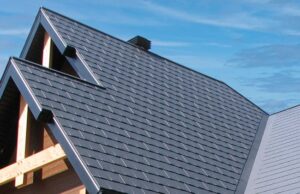
Shingle roofing uses overlapping roof shingles installed on a sloped roof. This system is designed to shed rain, snow, and debris away from the home.
Shingles are placed in rows from the lower edge of the roof upward. Each row overlaps the one below it, creating a layered surface that helps move water down the roof. This is why shingles work best on roofs with proper slope.
Roof shingles can be made from asphalt, composite materials, metal, slate-style materials, or other products. Asphalt shingles are the most common because they are affordable, widely available, and easier to repair.
Shingle Roofing: Traditional, Affordable & Versatile
Shingle roofing is a classic choice for NYC homes with sloped roofs. It gives homes a familiar residential appearance and works well with many architectural styles.
One major reason homeowners choose shingles is affordability. Asphalt shingle roofing usually has a lower upfront cost than many premium roofing systems. It is also easier to repair when only a small area is damaged.
For many NYC homeowners, shingles offer a balance of cost, appearance, and repair flexibility.
Types of Roofing Shingles Used in NYC
NYC homeowners can choose from several roofing shingle types. The right option depends on budget, roof slope, home style, weather exposure, and long-term maintenance needs.
Common roofing shingles include:
- Asphalt shingles: Affordable, widely used, and easy to repair for most sloped homes.
- Architectural shingles: Thicker shingles with better durability and stronger curb appeal.
- Composite shingles: Designed to imitate slate roofing, wood, or premium roofing materials.
- Metal shingles: A stronger option for homeowners who want longer-term performance.
- Slate-style shingles: Useful for premium or historic-style homes where appearance matters.
- Impact-resistant shingles: Helpful for homes exposed to wind, storms, and falling debris.
For most NYC homes, asphalt and architectural shingles are the most practical options. They balance price, appearance, and repair convenience. Composite, slate-style, or metal shingles may be better for homeowners who want a more premium look.
Pros and Cons of Shingle Roofing
Shingle roofing is popular because it is affordable, familiar, and visually appealing. It is especially useful for residential homes with proper roof slope and good ventilation.
The main advantages include lower upfront cost, easier shingle roof repair, strong curb appeal, and broad style choices. If only a few shingles are damaged, a roofer may be able to repair that section without replacing the entire roof.
The disadvantages are mostly weather-related. Shingles can be affected by wind, ice dams, heavy rain, UV exposure, and falling debris. Over time, shingles may curl, crack, loosen, or lose protective granules.
In NYC, shingle roofing performs best when gutters are clean, flashing is secure, and attic ventilation is working properly. Without maintenance, small shingle problems can turn into leaks and interior damage.
Shingle Roofing Lifespan in NYC Conditions
Shingle roofing lifespan depends on shingle quality, installation, ventilation, roof slope, and maintenance. NYC weather can shorten roof life when small problems are ignored.
Summer heat also affects shingles. UV exposure can dry out asphalt roofing materials, weaken the surface, and cause granule loss. Once granules wear away, shingles become more vulnerable to cracking and aging.
A shingle vs flat roof lifespan comparison should focus on roof fit. Shingles can last well on pitched roofs, but they are not designed for low-slope surfaces. Regular roof inspections help protect shingle roofing in NYC conditions.
Understanding Flat Roofing
Flat roofing is a low-slope roofing system used on many NYC brownstones, apartment buildings, row homes, commercial roof properties, and multi-family buildings.
Unlike shingle roofing, flat roofing does not rely on steep slope to move water quickly. It uses waterproof membranes, drainage systems, seams, flashing, and slight slope to control water.
However, flat roofs require strong installation and regular maintenance. Drainage problems, open seams, or damaged membranes can lead to leaks if ignored.
What Is Flat Roofing?
Flat roofing is a roof system with very low slope. It is not completely flat, but the slope is minimal compared to a pitched shingle roof.
A flat roof system usually includes a roof deck, insulation, waterproof membrane, flashing, seams, drains, scuppers, gutters, and edge details. Each part must work together to keep water out.
Flat roofing is common in NYC because many buildings have rectangular layouts, shared walls, and limited space. Brownstones, row houses, mixed-use buildings, and apartment properties often use flat roofs because they match the structure.
Flat Roofing: Perfect for Brownstones & Multi-Family Buildings
Flat roofing works well for brownstones and multi-family buildings because it fits NYC’s dense urban design. Many city properties have attached walls, narrow lots, and roof layouts that are not suited for steep roofing.
A flat roof can also make better use of space. It may support HVAC units, vents, roof access, solar panels, skylights, or other building systems when properly designed.
Flat roofing may not offer the same street-level curb appeal as shingles, but it provides strong practical value for many NYC properties.
What Materials Should a Flat Roofer Use?
The best flat roof materials depend on roof condition, building type, drainage, budget, and long-term performance needs. NYC flat roofs need materials that handle rain, snow, heat, ponding water, and rooftop access.
Common flat roof materials include:
- EPDM roofing: Flexible rubber membrane for many low-slope roofs.
- TPO roofing: Reflective membrane often used for energy efficiency.
- PVC roofing: Strong option for moisture, grease, and chemical resistance.
- Modified bitumen: Durable asphalt-based system common on NYC flat roofs.
- Built-up roofing: Multi-layer waterproofing system for flat roofs.
- Roof coatings: Useful for extending some existing roof systems.
A professional flat roofer should inspect drainage, seams, insulation, roof traffic, and existing materials before recommending a system. The best flat roof materials are not chosen only by price. They must match the building’s structure, climate exposure, and flat roof maintenance needs.
Flat Roof Shingle Roll: Is It a Practical Option?
Flat roof shingle roll usually refers to roll roofing or asphalt-based rolled material. It is sometimes used on sheds, garages, small low-slope roofs, or temporary budget-focused projects.
It may be affordable, but it is not always the best long-term option for NYC homes. Brownstones, row houses, and apartment buildings usually need stronger flat roof systems.
For serious residential or multi-family flat roofs, materials like EPDM, TPO, PVC, modified bitumen, or built-up roofing are usually more reliable. These systems are designed for better waterproofing and longer performance.
Pros and Cons of Flat Roofing
Flat roofing is practical for NYC buildings because it works well on large roof surfaces, low-slope structures, and urban properties. It also provides easier roof access for maintenance.
The main benefits include usable rooftop space, easier inspections, good coverage for large buildings, and compatibility with rooftop equipment. Flat roofs can also support solar panels, HVAC units, and drainage systems when properly planned.
Flat roof repair should usually be handled by professionals. Wrong materials or poor patching can trap moisture and create larger roof problems.
Flat Roof Lifespan & Replacement Needs
Flat roof lifespan depends on membrane type, drainage quality, installation, maintenance, roof traffic, and weather exposure. NYC conditions can be tough on low-slope systems.
A flat roof may need replacement when roof leak repair return repeatedly, seams fail, insulation becomes saturated, flashing cracks, or water ponds for long periods. These signs often mean the roof system is no longer performing properly.
Flat roof replacement is also worth considering when repairs no longer last. If the roof has widespread membrane damage or hidden moisture, patching one area may only delay bigger problems.
Durability Comparison: Shingle vs Flat Roofs
Both shingle and flat roofs can be durable when they match the building structure. The biggest difference is how each system handles water.
Shingle roofs work best on pitched roofs because gravity helps water, snow, and debris move off the surface. Their durability depends on shingle quality, installation, flashing, ventilation, and maintenance.
Flat roofs rely on waterproof membranes and drainage systems. Their durability depends on seam strength, slope, drains, flashing, roof traffic, and membrane quality.
A shingle vs flat roof lifespan comparison should not be based only on material age. It should consider whether the roof type fits the property. Shingles are durable on sloped homes. Flat roofs are durable on low-slope urban buildings when drainage is designed correctly.
Flat Roof vs Shingles: Side-by-Side Comparison
This quick comparison helps NYC homeowners compare roofing systems based on cost, maintenance, appearance, weather performance, repairs, and best use cases.
| Factor | Shingle Roofing | Flat Roofing |
| Best For | Sloped residential homes | Brownstones, row houses, apartments, multi-family buildings |
| Cost | Often lower upfront | Varies by membrane, drainage, and access |
| Maintenance | Easier individual shingle repairs | Requires seam, drain, and membrane checks |
| Weather Risk | Wind damage, ice dams, granule loss | Ponding water, seam leaks, membrane punctures |
| Lifespan | Depends on shingle quality and ventilation | Depends on material, drainage, and installation |
| Appearance | Strong curb appeal | Clean urban style and practical roof space |
| Repair Needs | Targeted shingle roof repair | Professional flat roof repair often needed |
Cost Comparison
Shingle roofing often has a lower upfront cost when the home has a proper pitched roof. Asphalt shingles are usually more affordable than premium materials.
Flat roofing costs depend on membrane type, insulation, drainage, access, existing damage, and roof size. A flat roof may require more waterproofing detail than a shingle roof.
NYC pricing may also be affected by building height, roof access, disposal, permits, labor, and safety setup.
Maintenance & Repair Comparison
Shingle roof maintenance includes checking for missing shingles, curling edges, granule loss, damaged flashing, gutter clogs, and ventilation problems.
Flat roof maintenance is different. It focuses on drains, scuppers, seams, flashing, membranes, ponding water, and roof penetrations. Small flat roof problems can spread if water reaches insulation or decking.
Weather Performance in NYC
NYC weather affects both systems in different ways. Heavy rain, snow, ice, heat, wind, and freeze-thaw cycles can all shorten roof life.
Shingles handle rain and snow well when the roof is steep enough. Problems happen when wind lifts shingles, ice dams form, or granules wear away.
Flat roofs handle urban buildings well, but drainage is critical. If drains clog or water ponds, the membrane can weaken. Summer heat can also cause expansion, blistering, or seam stress.
Aesthetic Appeal & Property Value
Shingle roofing usually provides stronger curb appeal for traditional homes. It offers color, texture, and style choices that can improve the appearance of a residential property.
Flat roofing is often less visible from the street, but it adds functional value. A well-maintained flat roof supports rooftop equipment, access, drainage, and building protection.
Buyer preferences depend on the property type. A pitched home may benefit more from attractive shingles. A brownstone or apartment building may benefit more from a durable flat roof system.
Which Roofing Type Is Best for You?
The best roofing type depends on your home’s structure, roof slope, budget, maintenance expectations, and long-term goals.
Choose Shingle Roofing if your home has a sloped roof and you want curb appeal, lower upfront cost, and easier targeted repairs. Shingles are a good fit for many single-family homes and townhouses.
Choose Flat Roofing if your property is a brownstone, row house, apartment building, or multi-family structure with a low-slope roof. These buildings need professional waterproofing, proper drainage, and durable membrane materials.
A professional inspection is the safest way to decide. The roofer can check slope, structure, drainage, material condition, and repair history before recommending a system.
Common Mistakes Homeowners Make When Choosing Between Shingle and Flat Roofing
Many roofing problems begin when the roof type does not match the building. A system that works on one home may fail on another.
One common mistake is choosing shingles for a roof with too little slope. Shingles need pitch to shed water properly. On low-slope roofs, water can move under shingles and cause leaks.
Another mistake is choosing flat roofing without thinking about drainage. A flat roof needs slope, drains, scuppers, or gutters to move water away. Without drainage planning, ponding water can shorten roof life.
Homeowners also make mistakes by focusing only on price. The lowest upfront cost may lead to higher repair costs if the system is not right for the property.
How NYC Weather Affects Both Roofing Systems
NYC weather is one of the biggest reasons roof selection matters. Rain, snow, heat, wind, and ice affect shingle and flat roofs differently.
Rain can expose weak flashing, missing shingles, open seams, clogged drains, and worn membranes. On shingle roofs, water should run downward quickly. On flat roofs, drainage systems must move water off the surface.
Snow and ice create extra stress. Shingles can suffer from ice dams near roof edges. Flat roofs may hold snow longer, which makes drainage and structural condition important.
Summer heat can dry shingles and weaken flat roof membranes. UV exposure can cause granule loss, cracking, blistering, and material fatigue.
Repair vs Replacement: Which Makes More Sense?
Repair may be enough when damage is small, isolated, and the roof is still in good condition. Replacement may be better when the roof is old or failing.
For shingle roofing, repair may include replacing missing shingles, fixing flashing, sealing small leaks, or correcting gutter-related problems. These repairs are often practical when most of the roof is still healthy.
Roof replacement becomes smarter when leaks return, repairs fail, insulation is wet, shingles are widely damaged, or the membrane is brittle. At that point, repeated repair may cost more over time.
Conclusion
Shingle roofing vs flat roofing is not about which option is always better. It is about which system fits your NYC home. Shingle roofing is usually best for sloped residential homes where curb appeal, affordability, and easier repairs matter. Flat roofing is usually best for brownstones, row houses, apartment buildings, and multi-family properties with low-slope roof structures.
Both systems can perform well in NYC when installed correctly and maintained regularly. Shingles offer traditional style and flexible repair options. Flat roofs offer practical roof space, easier access, and strong waterproofing when properly designed.
The right choice depends on your roof slope, building type, budget, drainage, weather exposure, and long-term goals.
Still unsure whether shingle roofing or flat roofing is right for your NYC home? NY Roofing can inspect your roof, compare material options, and recommend the best roofing system for your property. Call (646) 838-0441 or visit 553 Prospect Ave., Brooklyn, NY 11215 to schedule your professional roof inspection today.
FAQs
Is shingle roofing better than flat roofing for NYC homes?
Shingle roofing is better for NYC homes with proper roof slope, especially single-family homes that need curb appeal and affordable repairs. Flat roofing is better for brownstones, row houses, apartment buildings, and low-slope structures. The best choice depends on roof design, drainage, budget, and maintenance needs.
What materials should a flat roofer use in NYC?
A flat roofer in NYC may use EPDM, TPO, PVC, modified bitumen, or built-up roofing. The right material depends on drainage, roof traffic, weather exposure, insulation, building type, and whether the property is residential, commercial, or multi-family.
Which lasts longer, flat roof or shingle roof?
The lifespan depends on material quality, installation, maintenance, and weather exposure. Shingle roofs can last well on sloped homes with proper ventilation. Flat roofs can also last many years when drainage, seams, membranes, and flashing are maintained properly.
Are flat roof repairs more expensive than shingle roof repairs?
Flat roof repairs can be more expensive when leaks involve membranes, seams, drains, insulation, or ponding water. Shingle roof repair may be simpler when only a few shingles are damaged. The final cost depends on access, damage severity, material type, and roof condition.
Can I replace a flat roof with shingles in NYC?
Usually, shingles require enough roof slope to shed water properly. Most flat roofs are not suitable for traditional shingles without major structural redesign. For low-slope NYC roofs, systems like TPO, EPDM, PVC, or modified bitumen are usually more appropriate.