High-performance roofing systems are designed to do more than simply cover a building. They protect the structure, improve energy efficiency, manage moisture, resist weather damage, and support long-term building performance.
Modern buildings need stronger roof systems because climate conditions, energy costs, insulation standards, and sustainability goals have changed. A roof now plays a major role in comfort, durability, and operating expenses.
A high performance roofing system may include advanced membranes, insulation, vapor barriers, roof sealants, drainage planning, reflective surfaces, and proper installation details. These components work together to create a roofing system that lasts longer and performs better.
Learn About Roofing Materials for High Performance
Roofing performance starts with materials. The right membrane, felt, insulation, sealant, and protective layer can improve durability, energy savings, and leak resistance.
| Component | Purpose | Best Use |
| TPO membrane | Reflective waterproof layer | Flat and commercial roofs |
| PVC membrane | Chemical and moisture resistance | Restaurants and commercial buildings |
| EPDM membrane | Flexible weather protection | Low-slope and flat roofs |
| Vapor barrier | Moisture control | Insulated roof systems |
| Roof insulation | Thermal performance | Homes and flat roofs |
| Roof sealant | Leak protection | Seams, flashing, and minor repairs |
Traditional vs Advanced Roofing Materials
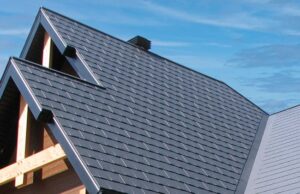
Traditional roofing materials such as asphalt shingles are still widely used on sloped homes. They are affordable, familiar, and suitable for many residential properties. However, they may not always provide the same energy performance or moisture control as advanced systems.
Modern roofing materials include reflective membranes, synthetic underlayments, high performance roofing felt, advanced insulation boards, and reinforced waterproofing layers. These materials are designed to resist heat, moisture, UV exposure, and roof movement.
High performance roofing felt is often used as an underlayment layer that adds protection beneath the main roofing surface. It helps improve water resistance and supports the roof assembly.
Modern High-Performance Roofing Membranes
A high performance roofing membrane is one of the most important parts of many flat and low-slope roofing systems. Common membrane options include TPO, PVC, and EPDM.
TPO is often chosen for reflective performance and energy efficiency. PVC is valued for moisture resistance and strength in certain commercial roof settings. EPDM is flexible and useful for many flat roof applications.
Each membrane has a different purpose. The best option depends on building use, climate, roof traffic, chemical exposure, drainage, and budget. A high performance roofing membrane should match the roof’s actual conditions, not just the lowest installation cost.
Sealants and Protective Layers
High performance roof sealant helps protect vulnerable areas such as seams, flashing, vents, skylights, drains, and small repair zones. These details are often where leaks begin.
Sealants are not a roof replacement for proper roofing installation, but they are important for maintenance and waterproofing support. The sealant must be compatible with the membrane, flashing, or surface being repaired.
Protective layers can also reduce weather damage. Coatings, reinforced membranes, and durable underlayments help the roof resist UV exposure, wind-driven rain, ponding water, and normal aging.
The Right Way to Design and Install a Roof
A high-performance roof is not created by materials alone. Design, installation, drainage, testing, and quality control all affect long-term performance.
Roof Design Principles for Performance
Strong roof design begins with understanding the building. The slope, drainage points, roof load, insulation level, wind exposure, and building use must be considered before materials are selected.
For flat roofs, drainage is especially important. Even a low-slope roof needs a path for water to move toward drains, gutters, or scuppers. Poor drainage can lead to ponding water, membrane stress, and leaks.
High performance homes roofing also depends on ventilation, insulation, moisture control, and thermal balance. A roof should protect the home while helping maintain indoor comfort.
Installation Best Practices
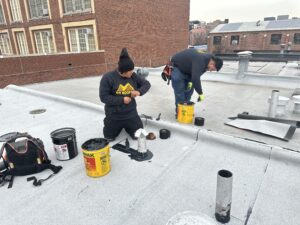
Even the best materials can fail if installation is poor. High-performance roofing systems require clean surfaces, correct fastening, proper seam work, compatible adhesives, and careful flashing details.
Common mistakes include poor slope planning, weak seam sealing, incorrect insulation placement, incompatible materials, and rushed flashing work. These errors can shorten roof life and increase leak risk.
Professional installation matters because roofers understand material behavior, manufacturer requirements, weather conditions, and building codes. A high-performance roof should be installed as a complete system, not as separate parts.
Quality Control and Testing
Quality control helps confirm that the roof system is installed correctly. This may include visual roof inspections, seam checks, moisture checks, drainage review, and final walkthroughs.
Material compatibility is also important. Membranes, adhesives, sealants, fasteners, insulation, and vapor barriers must work together. Mixing products without checking compatibility can cause bonding failure or warranty issues.
Warranties also depend on proper installation. Some manufacturers require approved products, correct methods, and documentation. Testing and inspection protect both the contractor and property owner.
Why Vapor Barriers Are Important in Roofing
Vapor barriers help manage moisture movement inside roofing systems. Without proper moisture control, flat roof insulation and roof assemblies can lose performance over time.
Understanding Moisture Movement
Moisture can move through air leaks, vapor pressure, condensation, and temperature differences. In many buildings, warm indoor air carries moisture upward toward the roof assembly.
When warm moist air meets a cold surface, condensation can form. This is a serious issue in roof systems because trapped moisture can damage insulation, decking, fasteners, and membranes.
Indoor and outdoor vapor pressure changes with climate and season. In cold weather, indoor moisture may move toward the colder roof assembly. In warm humid climates, moisture movement can behave differently.
A high-performance roof must control this movement with smart design.
Vapor Barriers in High-Performance Roofs
A vapor barrier is used to reduce moisture movement into the roof assembly. It helps protect insulation and structural components from condensation-related damage.
In high-performance roofs, vapor barriers are often placed in specific locations based on climate, roof type, and insulation design. Placement matters. A wrongly placed vapor barrier can trap moisture instead of controlling it.
Vapor barriers work closely with high performance flat roof insulation. If moisture enters insulation, the insulation can lose thermal value. Wet insulation may also lead to mold risk, deck damage, and roof failure.
For commercial flat roofs, vapor barriers are often considered when indoor humidity is high, such as in kitchens, laundry facilities, pools, warehouses, and certain industrial spaces.
A roofing expert can help determine whether a vapor barrier is needed and where it should be placed.
High-Performance Roof Insulation Explained
Roof insulation is one of the most important parts of energy-efficient roofing. It helps control heat flow, comfort, and long-term energy use.
Types of Roof Insulation Materials
High performance roof insulation can include polyiso boards, spray foam, mineral wool, expanded polystyrene, and extruded polystyrene. Each material has different strengths.
Polyiso is common in commercial flat roof systems because it offers strong thermal performance and works well with many membrane assemblies. Spray foam can provide air sealing and insulation in certain applications. Mineral wool is valued for fire resistance and sound control.
The right insulation depends on roof design, fire requirements, moisture exposure, budget, and energy goals. A high-performance system often uses insulation as part of a complete assembly, not as an afterthought.
Good insulation helps reduce heat gain in summer and heat loss in winter.
Flat Roof Insulation Systems
High performance flat roof insulation is especially important because flat roofs are often exposed to strong sun, standing water risk, and large temperature swings.
Flat roof insulation may be installed above the roof deck, below the membrane, or as part of a layered assembly. The insulation must support the membrane, resist compression, and maintain thermal performance.
Commercial flat roofs often use insulation boards with membranes such as TPO, PVC, or EPDM. Residential flat roofs may also use similar systems, especially on extensions, row homes, brownstones, and multi-family buildings.
Proper insulation can improve comfort inside the building and reduce HVAC strain.
Thermal Bridging and R-Values
Thermal bridging happens when heat bypasses insulation through framing, fasteners, gaps, or poorly insulated areas. Even strong insulation can underperform if thermal bridges are not addressed.
R-value measures resistance to heat flow. Higher R-values generally mean better insulation performance. However, the full roof assembly matters more than one material rating.
A high-performance roof should reduce gaps, compression, and uninsulated pathways. Continuous insulation helps limit heat transfer and supports better long-term energy savings.
Over time, improved insulation can reduce energy use, increase indoor comfort, and protect the roof system from temperature stress.
Saving Energy and Keeping the Roof Cool
Energy-saving roof systems reduce heat transfer, reflect sunlight, and help buildings stay more comfortable through changing weather conditions.
Cool Roofing Technologies
Cool roofing technologies use reflective membranes, coatings, and light-colored surfaces to reduce heat absorption. These systems are especially useful on flat and low-slope roofs.
Reflective membranes such as white TPO or PVC can help reduce rooftop temperatures during hot weather. This may lower cooling demand and improve indoor comfort.
Cool roofs can also help reduce the urban heat island effect. In dense cities, dark roofs and pavement absorb heat, making neighborhoods warmer. Reflective roofing can reduce heat buildup and support more sustainable building performance.
Cool roofing works best when combined with insulation, ventilation, and proper roof maintenance.
Energy Savings Over Time
The best high performance roofing systems can reduce HVAC load by limiting heat gain and heat loss. This is especially valuable for buildings with large roof surfaces.
Energy savings depend on climate, insulation level, roof color, membrane type, building use, and existing HVAC efficiency. A reflective roof may help more in hot climates, while strong insulation is valuable in both hot and cold regions.
Return on investment comes from lower energy use, longer roof life, fewer emergency repairs, and improved building comfort. High-performance roofing should be viewed as a long-term building upgrade, not just a roofing expense.
Environmental Impact and Long-Term Viability
High-performance roofing supports sustainability by improving energy efficiency, reducing waste, extending roof life, and using smarter material choices.
Sustainable Roofing Materials
Sustainable roofing materials may include recyclable membranes, reflective surfaces, low-emission products, durable insulation, and materials with longer service life.
Some roofing systems may support green building goals or certification programs. Reflective membranes, energy-efficient insulation, and low-VOC products can contribute to better environmental performance.
Durability is also part of sustainability. A roof that lasts longer creates less waste than a roof that fails early. Choosing quality materials can reduce tear-offs, landfill waste, and repeated manufacturing impact.
Sustainability should include both product selection and installation quality.
Lifecycle Cost and Performance
Lifecycle cost means looking beyond the initial price. A cheaper roof may cost more over time if it needs frequent roof repairs or early replacement.
High-performance systems often cost more upfront because they use stronger materials, better insulation, improved membranes, and more careful installation. However, they can provide savings through energy efficiency, durability, and reduced maintenance.
A high performance roofing membrane plays a major role in lifecycle value. If the membrane resists UV damage, moisture, punctures, and temperature movement, the roof can perform better for longer.
A smart roofing decision balances upfront cost with long-term protection.
Durability and Upkeep of High-Performance Roofs
Durability depends on material quality, installation, maintenance, weather exposure, and how well the roof system handles moisture and temperature changes.
Weather Resistance and Longevity
High-performance roofing systems are designed to resist UV rays, wind, heavy rain, snow, heat, and freeze-thaw cycles. The goal is to protect the building through changing conditions.
High performance roofing felt, reinforced membranes, strong flashing, and protective layers all support weather resistance. These components reduce the chance of water intrusion and material breakdown.
Longevity also depends on roof use. Roofs with heavy foot traffic, rooftop equipment, or poor drainage may need more frequent inspections.
A durable roof is not just strong on day one. It must continue performing under real weather conditions for years.
Maintenance Best Practices
Maintenance keeps high-performance roofs working as intended. Even advanced roofing systems need inspection and care.
Property owners should inspect roofs after major storms, seasonal weather changes, and heavy rooftop activity. Drains, seams, flashing, vents, skylights, and edges should be checked regularly.
High performance roof sealant can be used for minor maintenance when compatible with the roof material. However, sealant should not be used to hide major roof problems.
Good maintenance includes:
- Cleaning drains, gutters, and scuppers
- Checking seams, flashing, and roof edges
- Removing debris that can trap moisture
- Looking for punctures, cracks, or loose material
- Repairing small issues before leaks spread
Regular maintenance helps protect the roof investment and extend system life.
Choosing the Best High-Performance Roofing System
The best high-performance roofing system depends on building type, climate, roof slope, budget, energy goals, and maintenance expectations.
Residential properties may need strong insulation, durable shingles roof, reflective coatings, or advanced underlayment. Commercial buildings may need TPO, PVC, EPDM, vapor barriers, and high performance flat roof insulation.
Climate also matters. Hot areas may benefit from cool roofing and reflective membranes. Cold or mixed climates need moisture control, insulation, and vapor barrier planning.
Budget should be compared with long-term value. The lowest-cost roof may not deliver the best performance over time. The best high performance roofing systems balance energy efficiency, durability, sustainability, and maintenance needs.
A professional roof inspection can help identify the right system for your property.
Conclusion: Invest in Smarter Roofing Solutions
High-performance roofing systems offer long-term value by improving energy efficiency, durability, moisture control, and sustainability. They are designed to protect the building while helping reduce operating costs and future repair risks.
A strong system may include advanced roofing membranes, high performance roof insulation, vapor barriers, roof sealants, reflective surfaces, and professional installation. Each layer plays a role in performance.
Talk to a roofing expert today to design a high-performance roofing system that saves energy, lasts longer, and protects your investment. NY Roofing provides professional roof inspections, flat roof solutions, insulation guidance, and advanced roofing system recommendations for NYC properties. Call (646) 838-0441 or visit 553 Prospect Ave., Brooklyn, NY 11215 to schedule your consultation today.
FAQs About High-Performance Roofing Systems
What makes a roofing system high-performance?
A roofing system is considered high-performance when it improves durability, energy efficiency, moisture control, weather resistance, and long-term value. It usually includes quality membranes, insulation, vapor barriers, proper drainage, strong flashing, and professional installation designed around the building’s needs.
Are high-performance roofing systems suitable for homes?
Yes, high-performance roofing systems are suitable for homes, especially properties that need better insulation, moisture control, lower energy use, or longer roof life. Residential systems may include advanced shingles, reflective coatings, high performance roof insulation, durable underlayments, and improved ventilation or vapor control.
How long do high-performance roofing membranes last?
The lifespan of high-performance roofing membranes depends on the material, installation quality, weather exposure, maintenance, roof traffic, and drainage. TPO, PVC, and EPDM membranes can provide long-term protection when installed correctly and maintained regularly by roofing professionals.
Is high-performance roof insulation worth the cost?
High-performance roof insulation is often worth the cost because it can reduce heat transfer, improve indoor comfort, lower HVAC strain, and support long-term energy savings. It also helps protect the roof assembly when combined with proper vapor control and moisture management.
What maintenance is required for high-performance roofs?
High-performance roofs need regular inspections, drain cleaning, debris removal, seam checks, flashing review, and minor repairs when needed. Property owners should inspect the roof after major storms and schedule professional maintenance to protect membrane performance, insulation value, and leak resistance.