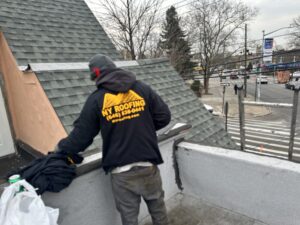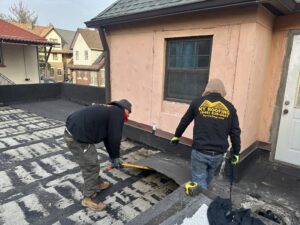
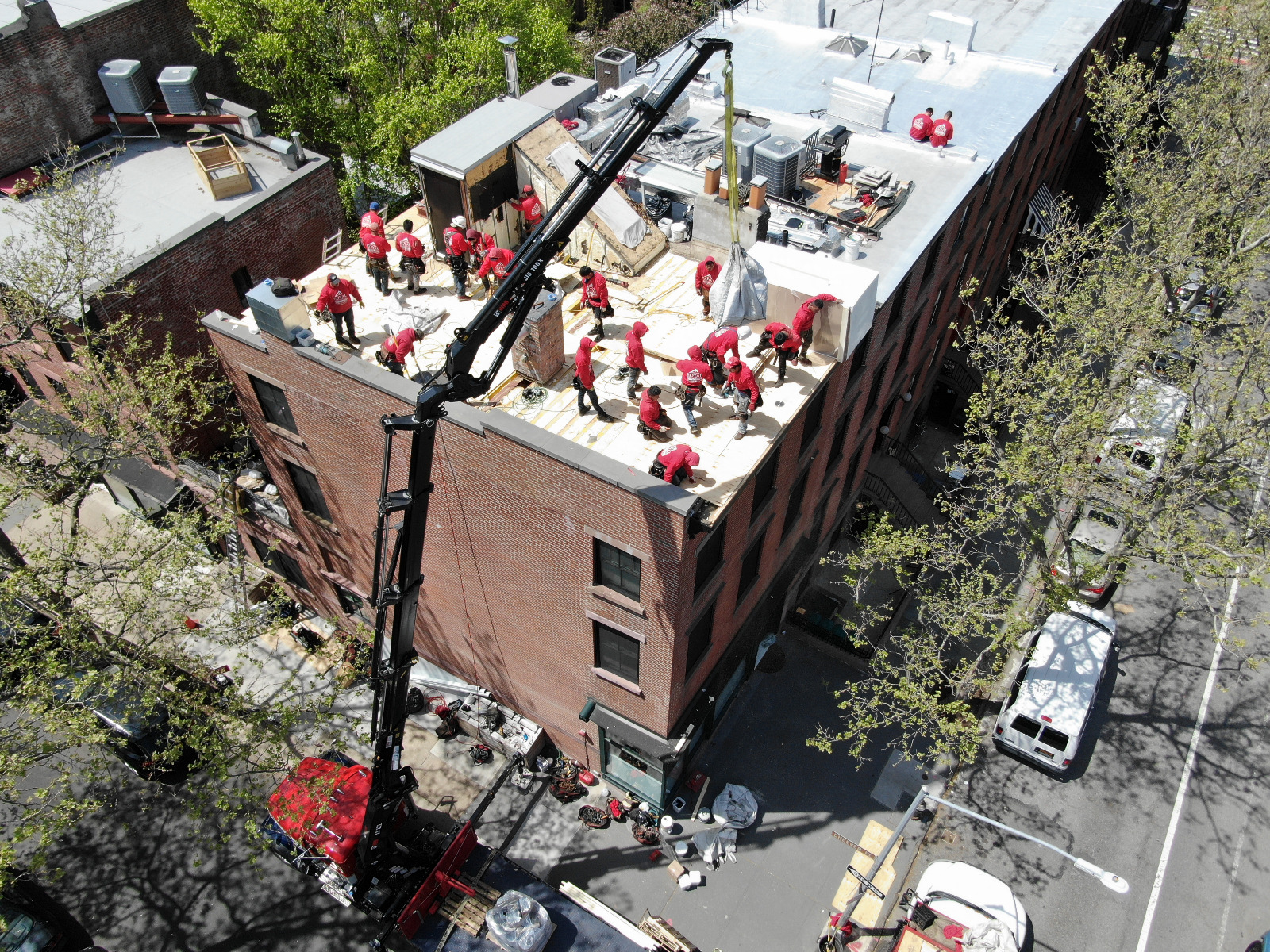
Roofs are designed to protect homes and buildings from the elements, but like any part of a structure, they do not last forever. In New York, where weather conditions range from freezing winters and snowstorms to humid summers and heavy rain, roofing systems face constant stress. Over time, even the most durable roofing materials begin to wear down.
Many homeowners wonder how often they should replace their roof in New York. The answer depends on several factors, including the type of roofing material, the quality of installation, the level of maintenance, and the specific weather conditions the roof has experienced. Understanding these factors can help property owners plan for roof replacement before serious problems develop.
Replacing a roof at the right time not only protects the building but also prevents expensive interior damage and structural issues.
Why Roof Lifespan Varies in New York
New York’s climate plays a major role in determining how long a roof lasts. The city experiences dramatic seasonal shifts, which can affect roofing materials in several ways.
During winter, snow accumulation and freezing temperatures create conditions that can weaken roofing materials. As snow melts and refreezes, water can seep into small cracks and expand when frozen. This freeze–thaw cycle gradually damages shingles, flashing, and membranes.
Spring and summer bring heavy rainstorms and humidity. Prolonged moisture exposure can cause roofing materials to deteriorate or lose their protective layers. Strong winds during storms can also loosen shingles or damage flashing.
Because of these weather patterns, roofs in New York often require more frequent inspections and maintenance compared to regions with milder climates.
Average Lifespan of Common Roofing Materials
The lifespan of a roof largely depends on the material used. Different roofing systems respond differently to New York’s climate conditions.
Asphalt shingles are among the most common roofing materials used in residential properties. When properly installed and maintained, asphalt shingle roofs can last around twenty to thirty years. However, severe weather or poor ventilation may shorten their lifespan.
Flat roofing systems are widely used on multi-family buildings and commercial properties throughout New York City. Materials such as EPDM rubber roofing or TPO membranes typically last between twenty and thirty years when maintained properly.
Clay tile roofs are known for their durability and long lifespan. In many cases, clay tile roofing can last more than fifty years if the structure beneath it remains strong and maintenance is performed regularly.
Slate roofing is one of the most durable options available. Many historic buildings in New York still have slate roofs that have lasted for generations. With proper care, slate roofing can last seventy years or more.
While these estimates provide general guidance, actual roof lifespan varies depending on installation quality, maintenance practices, and environmental conditions.
Signs That Your Roof May Need Replacement
Even if a roof has not yet reached the end of its expected lifespan, certain warning signs may indicate that replacement is necessary. One of the most common indicators is frequent roof leaks. When leaks occur repeatedly despite repairs, it may signal widespread deterioration within the roofing system.
Another common sign is missing or curling shingles. As roofing materials age, they lose flexibility and become more vulnerable to wind damage. Curled shingles often indicate that the roof is nearing the end of its service life.
Granule loss is another issue homeowners may notice with asphalt shingles. When protective granules begin to fall off, shingles lose their ability to protect the roof from UV exposure and weather.
Interior signs can also indicate roof failure. Water stains on ceilings or walls, mold growth, and damp insulation often suggest that the roof is no longer providing adequate protection.
Recognizing these warning signs early allows homeowners to plan for replacement before extensive damage occurs.
The Importance of Regular Roof Inspections
Routine roof inspections play an essential role in determining when a roof should be replaced. Many roofing problems develop gradually and may not be immediately visible from the ground.
Professional inspections allow roofing contractors to assess the condition of shingles, flashing, gutters, and structural components. They can identify weak areas that may lead to leaks or deterioration.
In New York, many property owners schedule roof inspections at least once a year and after severe storms. These inspections help ensure that small issues are addressed before they develop into larger problems requiring complete replacement.
Regular inspections also provide homeowners with a clearer understanding of how much life remains in their current roofing system.
Repair vs Replacement: How to Decide
Homeowners often face the question of whether a roof should be repaired or replaced. Minor damage, such as a few missing shingles or small leaks, can often be repaired effectively. However, if the roof has widespread damage or is nearing the end of its lifespan, replacement may be the better long-term solution.
Frequent repairs can become costly over time. In some cases, investing in a full roof replacement provides better value by eliminating recurring issues and improving overall energy efficiency.
A professional roofing assessment can help determine the most practical approach for a specific property.
How Proper Maintenance Extends Roof Life
While roofs eventually require replacement, regular maintenance can significantly extend their lifespan. Keeping gutters clean, removing debris from the roof surface, and repairing small issues promptly can help preserve roofing materials.
Proper ventilation is another important factor. Without adequate ventilation, heat and moisture can accumulate in the attic, accelerating roof deterioration.
Preventive maintenance reduces the likelihood of major damage and ensures that roofing systems perform effectively throughout their intended lifespan.
Planning Ahead for Roof Replacement
Replacing a roof is a major investment, but planning ahead can make the process easier and more cost-effective. Homeowners who monitor the condition of their roof and schedule regular inspections can better anticipate when replacement may be necessary.
Working with experienced roofing professionals helps ensure that the replacement process is completed correctly and that the new roofing system is suited to New York’s climate.
By taking a proactive approach, property owners can protect their investment and maintain the long-term integrity of their building.
Conclusion
Understanding how often to replace a roof in New York depends on several factors, including roofing materials, weather exposure, and maintenance practices. While many roofing systems can last decades, harsh seasonal conditions in New York can accelerate wear and tear.
Regular inspections, early detection of problems, and proper maintenance can extend roof lifespan and help homeowners avoid unexpected damage. When the time for replacement eventually arrives, choosing durable materials and experienced contractors ensures that the new roof will provide reliable protection for years to come.
If you want to know more about NY Roofing or need professional roof inspection or replacement services, give us a call at (646) 838-0441. Our team is ready to help protect your home or building with reliable roofing solutions.
Frequently Asked Questions About Roof Replacement in New York
How often should a roof be replaced in New York?
Most roofs in New York last between 20 and 30 years depending on the material and maintenance. Severe weather conditions may shorten or extend this lifespan.
What factors affect roof lifespan in New York?
Roof lifespan depends on the type of material, installation quality, maintenance practices, and exposure to weather conditions such as snow, rain, and wind.
Can roof repairs extend the life of a roof?
Yes, timely repairs can extend the life of a roof by addressing minor damage before it becomes a larger structural issue.
What are common signs that a roof needs replacement?
Common signs include frequent leaks, missing or curling shingles, granule loss, and interior water stains on ceilings or walls.
Is professional roof inspection necessary before replacement?
Yes, professional inspections help determine whether a roof requires repair or full replacement and identify potential structural issues.