Choosing the right roofing material is one of the most important decisions property owners in New York City can make. The city’s climate presents unique challenges that directly impact the lifespan and performance of roofing systems. From freezing winters and heavy snowstorms to humid summers and strong coastal winds, roofing materials must withstand a wide range of weather conditions throughout the year.
Understanding how roofing materials perform in NYC climate conditions helps homeowners and building managers select solutions that provide durability, protection, and long-term value. A roofing system that works well in mild climates may not perform as effectively in New York’s demanding environment. That is why selecting materials designed for seasonal changes and urban conditions is essential.
In this guide, we explore how different roofing materials respond to New York City’s climate and what property owners should consider when choosing the right roofing system.
Understanding the Challenges of NYC Weather
New York City experiences a diverse climate that affects roofing systems throughout the year. Winters often bring freezing temperatures, snowfall, and ice accumulation. During these months, roofing materials must withstand moisture infiltration and freeze–thaw cycles that can weaken structural components.
Spring and fall seasons introduce heavy rainfall and strong winds, which test the strength of roofing materials and flashing systems. Poor drainage during these seasons can lead to water pooling and leaks if roofing systems are not designed to handle moisture effectively.
Summer months bring high temperatures and humidity. Prolonged exposure to heat and ultraviolet radiation can cause roofing materials to expand, dry out, or deteriorate over time.
Because NYC experiences all of these conditions within a single year, roofing materials must provide both flexibility and durability.
Asphalt Shingle Roofing Performance
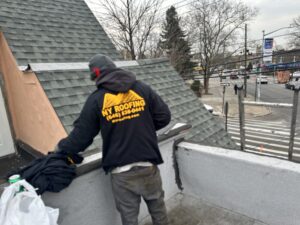
Asphalt shingles are one of the most widely used roofing materials in residential properties throughout New York City. They are known for affordability, versatility, and relatively easy installation.
In NYC’s climate, asphalt shingles perform well against moderate weather conditions. They are designed to handle rain and wind while providing reliable protection for sloped roofs. Modern architectural shingles also offer improved durability and resistance to wind uplift.
However, extreme temperature fluctuations can gradually affect asphalt shingles. During hot summer days, shingles expand slightly under heat exposure. When temperatures drop again, the material contracts. Over time, repeated expansion and contraction may cause shingles to crack or loosen.
Despite these challenges, asphalt shingles remain a popular choice for many homeowners because they offer a balanced combination of cost-effectiveness and dependable performance.
Flat Roofing Systems in NYC Buildings
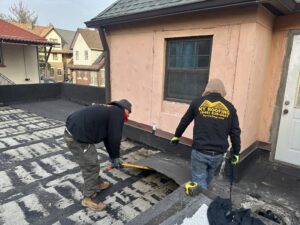
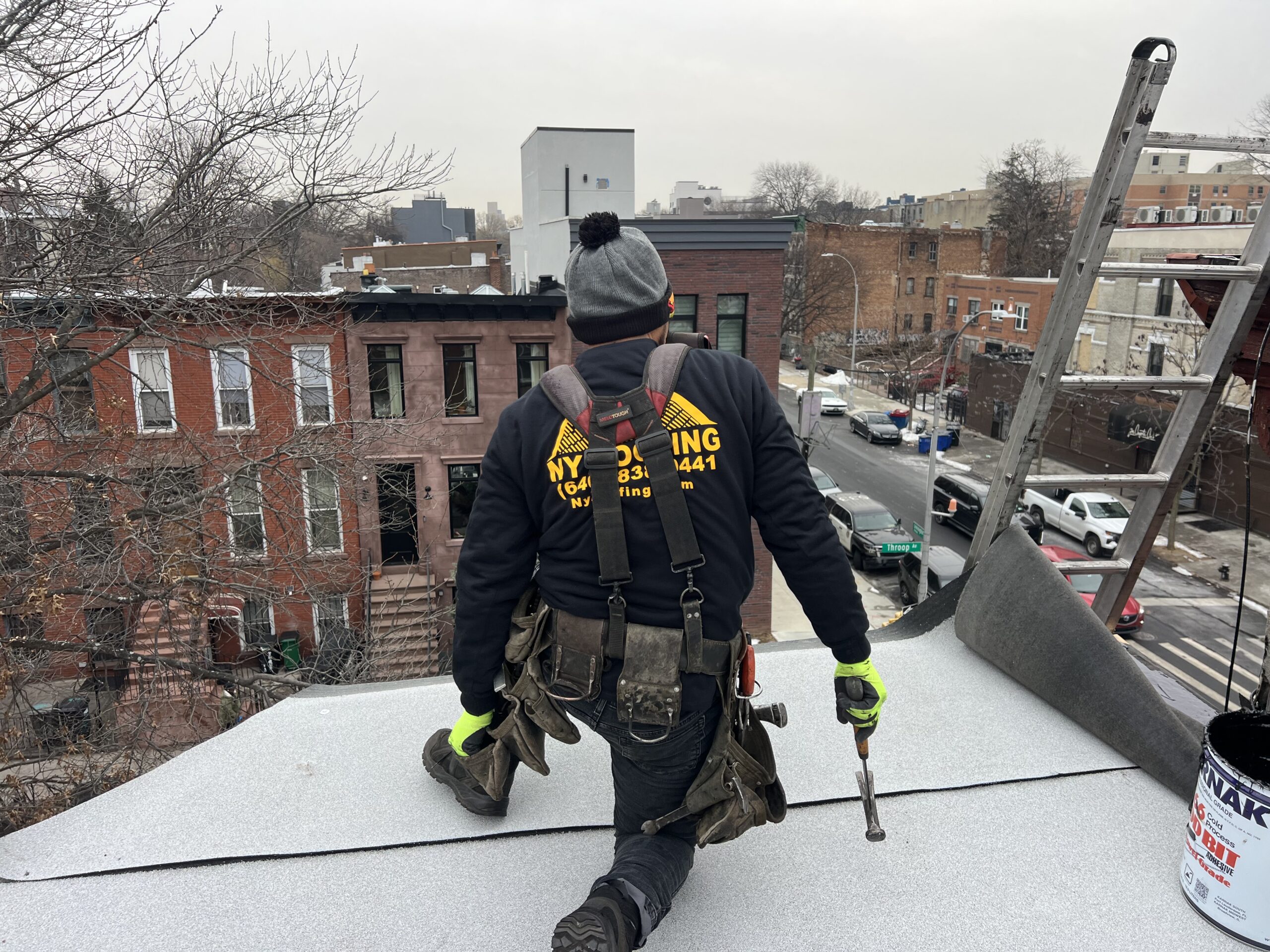
Flat roofing systems are extremely common across New York City, particularly on apartment buildings, commercial structures, and multi-family homes. Because many urban buildings have limited roof slopes, flat roofing materials must provide strong waterproofing and effective drainage.
Rubber roofing systems, such as EPDM membranes, are frequently used in NYC. These materials are flexible and capable of handling temperature changes without cracking. Their durability makes them well suited for buildings exposed to harsh winter conditions.
TPO and other modern membrane systems are also widely used because they reflect heat and help improve energy efficiency. These materials perform well during hot summers by reducing heat absorption.
Flat roofs must be carefully maintained to prevent water pooling. Proper drainage systems and routine inspections help ensure that flat roofing materials continue to perform reliably.
Clay Tile Roofing and Climate Resistance
Clay tile roofing is known for its exceptional durability and distinctive appearance. While it is not as common as asphalt shingles in New York City, it remains a strong option for certain residential and architectural properties.
One of the advantages of clay tiles is their resistance to extreme weather conditions. Clay materials can withstand intense sunlight and heat without deteriorating quickly. They are also naturally resistant to moisture and fire.
However, clay tiles are heavier than many other roofing materials. This means the underlying roof structure must be designed to support their weight. Additionally, clay tiles can become brittle in extremely cold conditions if not installed properly.
When installed correctly, clay tile roofs can last for decades and offer strong resistance to NYC’s climate challenges.
Slate Roofing Performance in NYC
Slate roofing is widely recognized for its strength and longevity. Many historic buildings in New York City feature slate roofs that have lasted for generations.
Slate performs exceptionally well in cold climates because it is naturally resistant to freezing temperatures and moisture. Unlike many other roofing materials, slate does not absorb water easily. This helps prevent cracking caused by freeze–thaw cycles.
Another advantage of slate roofing is its durability against wind and storms. When installed properly, slate tiles remain securely attached and provide reliable protection.
Because slate is a premium material, installation must be handled by experienced professionals to ensure proper structural support and long-term performance.
The Role of Gutters and Drainage Systems
Roofing materials alone cannot fully protect a building from water damage. Effective drainage systems are equally important for maintaining roof performance.
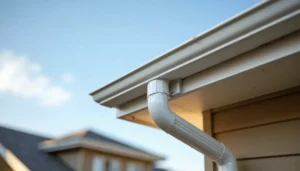
In NYC buildings, gutters and downspouts play a major role in directing rainwater away from the roof and foundation. Without proper drainage, water may accumulate along roof edges or flat surfaces, increasing the risk of leaks.
Even the most durable roofing materials can experience problems if water drainage is not managed properly. Routine gutter maintenance helps ensure that roofing systems function as intended.
How Proper Installation Impacts Material Performance
Even the best roofing materials can fail if installation is not performed correctly. Proper installation techniques ensure that roofing materials remain secure and able to withstand weather conditions.
Professional roofing contractors understand how to install materials in a way that accounts for wind resistance, drainage, insulation, and structural support. They also follow local building codes and safety standards to ensure roofing systems meet regulatory requirements.
Choosing experienced contractors is one of the most effective ways to maximize the lifespan of roofing materials in NYC’s climate.
Choosing the Right Roofing Material for NYC Homes
Selecting the right roofing material depends on several factors, including building structure, budget, and long-term maintenance expectations. Property owners should also consider how their roofing system will perform under New York’s seasonal weather conditions.
Durability, weather resistance, and drainage compatibility are among the most important factors to evaluate. Consulting with roofing professionals helps property owners make informed decisions about which materials will perform best for their specific property.
Conclusion
New York City’s climate presents unique challenges for roofing systems. From freezing winters to hot summers and heavy rainfall, roofs must withstand a wide range of weather conditions throughout the year.
Understanding how roofing materials perform in NYC climate conditions helps property owners choose solutions that provide durability and long-term protection. Whether it is asphalt shingles, flat roofing systems, clay tiles, or slate roofs, each material offers specific advantages depending on the building type and environmental conditions.
Routine maintenance, professional installation, and proper drainage systems all play a critical role in ensuring that roofing materials perform effectively over time.
If you want to know more about NY Roofing or need expert roofing services for your property, give us a call at (646) 838-0441. Our team is always ready to help protect your home or building with reliable roofing solutions.
Frequently Asked Questions About Roofing Materials in NYC Climate
Which roofing materials perform best in NYC climate?
Materials such as asphalt shingles, rubber flat roofing, slate, and clay tiles perform well in NYC because they are designed to handle temperature changes, moisture, and strong winds.
Are flat roofs suitable for NYC buildings?
Yes, flat roofs are very common in NYC buildings. Modern flat roofing materials such as EPDM and TPO provide strong waterproofing and durability when properly installed and maintained.
How does winter affect roofing materials?
Winter weather can cause freeze–thaw cycles that expand small cracks in roofing materials. Proper installation and maintenance help prevent damage during cold months.
How long do roofing materials last in NYC?
The lifespan varies depending on the material. Asphalt shingles may last around 20–30 years, while slate and clay tiles can last much longer with proper maintenance.
Why is professional roof installation important?
Professional installation ensures roofing materials are secured correctly and can withstand NYC weather conditions such as wind, rain, and snow.