Choosing the right roofing materials in NYC is one of the most important decisions for homeowners, landlords, and commercial property owners. New York buildings face heavy rain, snow, strong winds, summer heat, freeze-thaw cycles, rooftop equipment, and urban pollution. A roofing system that works well in a mild climate may not perform the same way on a Brooklyn brownstone, Queens home, Manhattan commercial building, or large warehouse roof.
Roof materials also need to match the building type. Residential homes often use asphalt shingles, metal roofing, slate, or tile, while apartment buildings, retail properties, and commercial structures usually need flat roof materials like EPDM, TPO, PVC, modified bitumen, or built-up roofing.
This 2026 guide explains what roofing material means, which factors matter in NYC, the most common types of roofing materials, how flat and sloped roofs compare, and how to choose the best roofing materials for long-term value.
What Is Roofing Material?
Roofing material is the outer protective layer of a roof system. It shields the building from weather, moisture, heat, wind, and long-term structural damage.
Definition of Roofing Materials
Roofing materials are the products used to cover and protect the roof structure. They form the weather-resistant surface that prevents rain, snow, ice, heat, and debris from entering the building.
There is a difference between the roof structure and the roof covering. The structure includes the deck, framing, insulation, and support system. The roof covering is the visible or waterproof layer, such as asphalt shingles, metal panels, slate, tile, EPDM, TPO, PVC, or modified bitumen.
Roof materials must be chosen carefully because they affect roof lifespan, maintenance needs, energy efficiency, weather protection, and overall property value.
Why Roofing Material Selection Matters in NYC
Roofing material selection matters in NYC because the city’s weather is tough on buildings. A roof must handle heavy rain, summer heat, snow, ice, wind, and pollution without failing early.
Durability is important because roof repairs and replacements can be expensive. Energy efficiency also matters, especially for flat roofs and top-floor spaces that absorb heat during summer.
Maintenance and lifespan should also guide the decision. A cheaper material may cost less upfront, but it may need more frequent repairs. Local building codes, property type, roof slope, and contractor recommendations should also be considered before selecting any roof material.
Key Factors to Consider When Choosing Roofing Materials in NYC
The best roofing materials for NYC depend on climate, building use, roof design, budget, maintenance needs, energy goals, and long-term performance expectations.
NYC Climate Performance
Different types of roofing materials respond differently to NYC weather. Asphalt shingles can work well on sloped homes but may age faster under UV exposure, wind, and freeze-thaw cycles. Metal roofing can handle snow and rain well but needs proper corrosion protection in coastal areas.
Flat roof materials must resist ponding water, heat, and membrane movement. TPO, EPDM, PVC, and modified bitumen are common because they are designed for low-slope roofing systems.
In NYC, climate performance should always come before appearance alone. A roof that looks good but cannot handle local conditions may fail early.
Building Type: Home vs Commercial Property
Single-family homes often need materials that balance appearance, cost, lifespan, and weather protection. Asphalt shingles, shingle roofing material, slate, and tile may be considered depending on the home style and budget.
Apartment buildings and mixed-use properties often need durable flat roof systems because many NYC buildings have low-slope roofs. Warehouses, retail buildings, and commercial properties may need TPO roofing material, EPDM roofing material, PVC, or modified bitumen.
The right material depends on how the building is used, how much roof traffic is expected, and whether rooftop equipment is present.
Roof Design: Flat Roof vs Sloped Roof
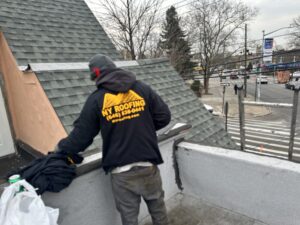
Flat roofs and sloped roofs need different materials. Sloped roofs shed water faster, so shingles, metal, slate, and tile can perform well. Flat roofs need stronger waterproofing because water moves more slowly.
The best flat roof materials are usually membranes or layered systems designed for low-slope surfaces. Roofing materials flat systems may include EPDM, TPO, PVC, modified bitumen, or built-up roofing.
Using the wrong material for the roof design can cause leaks, ponding water, and early failure.
Budget, Longevity & Maintenance
Budget matters, but the cheapest material is not always the best choice. A low-cost option may require more repairs, shorter replacement cycles, or higher maintenance.
Long-term investment is important. A higher-quality roofing material may cost more upfront but provide better durability, energy savings, and fewer emergency repairs.
Maintenance should also be considered. Some roof materials need regular coating, seam checks, or flashing maintenance, while others require less frequent attention.
Complete Roofing Materials List for NYC Homes & Buildings
This roofing materials list covers the most common options used on NYC homes, apartment buildings, commercial roofs, warehouses, retail properties, and historic buildings.
Asphalt Shingle Roofing Materials
Asphalt shingles are one of the most common roof materials for residential homes in NYC. They are popular because they are affordable, widely available, and suitable for many sloped roof designs.
Asphalt shingles come in different grades, including standard 3-tab shingles and architectural shingles. Architectural shingles are thicker and usually provide better durability and appearance. They are often preferred for homes where curb appeal matters.
The main benefits of asphalt shingles include easy installation, broad style options, and reasonable repair costs. They are also familiar to many roofing contractors, which makes repairs and roof replacements easier.
The drawbacks include limited performance on low-slope roofs, vulnerability to granule loss, and possible damage from wind, ice dams, and extreme heat. Asphalt shingles are best for sloped homes, row houses, and residential properties where the roof pitch supports proper water shedding.
Metal Roofing Materials
Metal roofing materials are known for strength, durability, and modern appearance. They can be used on residential homes, commercial buildings, and certain architectural projects.
Roofing materials metal systems may include standing seam panels, metal shingles, aluminum, steel, copper, or coated metal products. The best option depends on building style, budget, and exposure to moisture or salt air.
Metal roofing performs well in rain and snow because it sheds water quickly when properly installed. It can also reflect heat, which may help improve energy efficiency. In NYC, metal roofing is often chosen for long-term performance and a clean modern look.
The main concerns are installation quality, noise control, dent resistance, corrosion protection, and upfront cost. Poor installation can lead to leaks around seams, fasteners, or flashing.
Standing Seam Metal Roofing
Standing seam metal roofing uses vertical panels with raised seams. These seams help protect fasteners and create a sleek, modern roof appearance.
This type of metal roofing is known for durability and weather resistance. It can be a strong choice for sloped roofs that need long-term performance and improved water shedding.
Standing seam systems should be installed by experienced contractors because seam alignment, flashing, expansion, and fastening details matter.
Metal Shingle Roofing Material
Metal shingle roofing material gives homeowners the look of traditional shingles with the strength of metal. It can imitate slate, tile, wood, or asphalt styles depending on the product.
This option works well for property owners who want a classic appearance with better durability than standard shingles. Metal shingles may also be lighter than some premium materials like slate or tile.
In NYC, metal shingles can be useful for homes that need weather resistance without sacrificing design.
Modern Roofing Materials for NYC Buildings
Modern roofing materials focus on durability, energy efficiency, sustainability, and better weather performance. These materials are becoming more important as NYC property owners look for long-term solutions.
Green roofing innovations, cool roof coatings, reflective membranes, and improved insulation systems are all part of modern roofing. These options can help reduce heat absorption, manage stormwater, and improve building performance.
Modern roofing materials are especially useful for flat roofs and commercial buildings. Reflective systems can help reduce rooftop heat, while durable membranes can improve leak protection.
For NYC buildings, modern roofing should be chosen based on climate, building use, and maintenance goals.
Rubber Roofing Material
Rubber roofing material is commonly used on flat and low-slope roofs. It is especially common on apartment buildings, commercial roofs, garages, and some residential flat roof sections.
Rubber roofing is valued because it can handle movement, weather exposure, and low-slope roof conditions. EPDM is the most common rubber roofing material, while TPO and PVC are also grouped with modern single-ply flat roof systems.
Flat roofs need materials that can resist water, seams, foot traffic, and rooftop equipment. Rubber and single-ply systems can work well when installed correctly.
EPDM Roofing Material
EPDM roofing material is a synthetic rubber membrane often used on flat roofs. It is flexible, durable, and proven in many commercial and residential low-slope applications.
EPDM performs well in temperature changes because it remains flexible. This can be helpful in NYC where roofs experience summer heat, winter cold, and freeze-thaw cycles.
The main concern with EPDM is seam quality. If seams, adhesives, flashing, or edges are not installed correctly, leaks can develop. Regular inspection helps extend EPDM roof life.
TPO Roofing Material
TPO roofing material is a single-ply membrane known for reflectivity and energy efficiency. It is often used on commercial buildings, apartment roofs, warehouses, and large flat roof areas.
TPO is usually light-colored, which helps reflect sunlight and reduce heat absorption. This can be useful for NYC buildings that face strong summer sun.
TPO seams are commonly heat-welded, which can create strong waterproof connections when installed properly. It is a popular option for property owners who want a balance of performance and cost.
EPDM vs TPO vs PVC
EPDM, TPO, and PVC are all common flat roof materials, but they perform differently. EPDM is flexible and durable. TPO is reflective and energy-efficient. PVC is known for strong seams and resistance to chemicals or grease.
For restaurants and buildings with rooftop exhaust, PVC may be a strong option. For large commercial roofs, TPO may offer a good balance of cost and performance. For roofs needing flexibility, EPDM may be suitable.
A professional inspection helps determine which membrane best fits the building.
Flat Roof Materials for NYC Properties
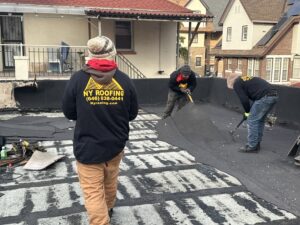
Flat roof materials are extremely important in NYC because many buildings have low-slope roof systems. Brooklyn, Queens, Manhattan, the Bronx, and Staten Island all have homes and commercial buildings with flat or nearly flat roofs.
The best flat roof materials include TPO, EPDM, PVC, modified bitumen, and built-up roofing. Each option has a different installation method, flat roof maintenance, and performance level.
For warehouses and large facilities, TPO and PVC are often considered because they can cover large areas efficiently. For apartment buildings, modified bitumen, EPDM, or TPO may be used depending on drainage, roof access, and budget.
Flat roof materials must be selected with drainage in mind. Even the best material can fail early if water ponds, drains clog, or flashing is poorly installed.
Slate & Tile Roof Materials
Slate and tile are premium roof materials used on historic homes, luxury properties, and buildings where long lifespan and appearance matter. These materials can create a strong architectural look.
Slate is known for its durability and natural beauty. It can last a long time when installed correctly, but it is heavy and requires skilled installation. Tile roofing can also be long-lasting, but it may not suit every NYC building.
The main drawbacks are cost, weight, and repair complexity. Not every roof structure can support slate or tile without proper evaluation.
For historic NYC homes, slate may be a strong option when preserving traditional style is important. However, it should always be installed and maintained by specialists.
Best Roofing Materials for NYC Homes vs Commercial Buildings
Residential and commercial properties need different roofing materials. Homes often focus on curb appeal and weather protection, while commercial roofs focus on durability and waterproofing.
Best Roofing Materials for Residential Homes
For NYC residential homes, asphalt shingles are often a practical choice because they are affordable and widely available. Architectural shingles may offer better appearance and durability than basic shingles.
Metal shingle roofing material is another strong option for homeowners who want longer-lasting performance and a traditional look. Slate can work well for premium or historic homes where budget and structure allow.
Residential roofing should match roof slope, home style, ventilation, and weather exposure. A material that works well on one home may not be best for another.
Best Roofing Materials for Commercial & Industrial Buildings
Commercial and industrial buildings often need flat roof systems. TPO roofing material, EPDM roofing material, PVC, modified bitumen, and built-up roofing are commonly used.
TPO is popular for reflectivity and large roof areas. EPDM offers flexibility and proven flat roof performance. PVC can be useful for buildings exposed to grease, chemicals, or rooftop exhaust.
Industrial and commercial roofs often have HVAC units, vents, drains, parapet walls, and regular foot traffic. The material must handle these conditions without frequent failure.
Where to Buy Roofing Materials in NYC
Roofing materials can be found through big-box stores, local suppliers, and professional contractors. The right source depends on project size, material type, and warranty needs.
Local Suppliers & Big-Box Stores
Some homeowners search for roofing materials Home Depot options because big-box stores carry shingles, sealants, flashing, underlayment, tools, and small repair products. This can be useful for minor repairs or basic material research.
Searching roofing materials near me may also show local NYC suppliers that carry professional roofing products. These suppliers may offer commercial membranes, insulation, coatings, fasteners, and specialty materials.
However, availability can vary by location and product type. Not every store carries professional-grade flat roof systems or manufacturer-approved materials.
Why Professional Material Selection Matters
Professional material selection matters because roofing systems are more than individual products. Materials must work together, including deck preparation, insulation, membrane, flashing, adhesives, fasteners, and drainage details.
Contractor-recommended materials may also support better warranty coverage. Some manufacturers require approved installation methods and trained contractors.
Retail materials may be useful for small fixes, but full roof installation or replacement should be planned with a professional roofer.
Quick Comparison of the Best Roofing Materials for NYC
The best roofing materials for NYC depend on roof slope, building type, weather exposure, budget, and long-term maintenance expectations.
Asphalt shingles are best for many sloped residential homes. Metal roofing works well for durability and modern design. Slate and tile are strong premium choices for historic or luxury homes. TPO, EPDM, PVC, and modified bitumen are better suited for flat roofs, apartment buildings, commercial properties, warehouses, and large facilities.
For the strongest result, property owners should choose materials based on building use, not only appearance or upfront price.
Common Roofing Material Mistakes NYC Property Owners Make
Many roofing problems begin with poor material selection. NYC property owners should avoid choosing materials based only on price, appearance, or quick availability.
Common roofing material mistakes include:
- Choosing the cheapest material without considering lifespan or maintenance
- Using sloped roof materials on flat or low-slope roof areas
- Ignoring NYC weather conditions such as snow, heat, wind, and heavy rain
- Buying retail materials without checking compatibility with the roof system
- Skipping professional inspection before selecting flat roof materials
- Forgetting about drainage, flashing, insulation, and roof ventilation
Future Trends in Roofing Materials: 2026 & Beyond
Future roofing materials are becoming more energy-efficient, sustainable, reflective, and weather-resistant. NYC property owners are showing more interest in long-term performance.
Sustainable roofing options include cool roof systems, reflective coatings, recycled-content materials, green roofs, and improved insulation assemblies. These systems can help reduce heat absorption and improve energy performance.
Smart roofing trends may also include better moisture Leak detection, improved drainage design, and materials that resist UV damage longer.
For NYC buildings, the future of roofing will focus on durability, energy savings, climate resilience, and lower maintenance needs.
Conclusion: Choosing the Best Roofing Materials for Your NYC Property
Choosing the best roofing materials for NYC homes and buildings requires more than comparing product names. Property owners must consider climate, roof design, building type, drainage, energy performance, maintenance, and long-term value.
Asphalt shingles, metal roofing materials, slate, tile, EPDM roofing material, TPO roofing material, PVC, and modified bitumen all have different strengths. The best option depends on whether the roof is flat or sloped, residential or commercial, historic or modern, high-traffic or low-access.
Choosing the right roofing material can save your NYC property from leaks, heat damage, storm wear, and early replacement. NY Roofing can inspect your roof, compare material options, and recommend the best system for your home or commercial building. Call (646) 838-0441 or visit 553 Prospect Ave., Brooklyn, NY 11215 today.
FAQs: Roofing Materials in NYC
What are the best roofing materials for NYC homes?
The best roofing materials for NYC homes depend on roof slope, budget, style, and weather exposure. Asphalt shingles, architectural shingles, metal roofing, slate, and tile are common choices for sloped residential roofs.
Which roofing materials last the longest in NYC weather?
Slate, metal roofing, and high-quality flat roof systems can last a long time when properly installed and maintained. Actual lifespan depends on weather exposure, drainage, installation quality, and regular inspections.
What is the best flat roof material for NYC buildings?
The best flat roof material depends on the building type and roof conditions. TPO, EPDM, PVC, and modified bitumen are common options for NYC flat roofs because they are designed for low-slope waterproofing.
Are metal roofing materials good for NYC homes?
Yes, metal roofing materials can be a good choice for NYC homes when installed correctly. They offer durability, strong weather resistance, snow shedding benefits, and a modern appearance, but proper flashing and corrosion protection are important.
How do I choose the right roofing material for my property?
To choose the right roofing material, consider roof slope, building type, climate exposure, maintenance needs, budget, energy goals, and expected lifespan. A professional roofer can inspect your property and recommend the best option.