
Roofing has always been one of the most important parts of human shelter. Long before modern homes, commercial buildings, and engineered roof systems, people needed protection from rain, heat, wind, snow, and harsh outdoor conditions. The roof became the first line of defense between people and the environment.
The history of roofing is also the history of human progress. As civilizations changed, roofing materials changed with them. Early communities used mud, clay, stone, timber, grass, and animal hides. Later, builders developed slate roofs, wooden shingles, metal roofing, asphalt shingles, and advanced flat roof membranes.
Today, roofing is no longer just a cover over a building. Modern roofing systems support energy efficiency, waterproofing, insulation, drainage, sustainability, and long-term building performance. From ancient flat roofs to smart roofing technologies, the evolution of roofing shows how climate, materials, and innovation shaped the way buildings are protected.
What Is Roofing?
Roofing is the material and construction system used to cover the top of a building. It protects the structure from weather, heat, moisture, and long-term environmental damage.
Roofing as a Protective Building System
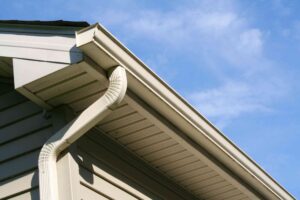
Roofing is more than the visible outer layer. A complete roofing system may include roof decking, underlayment, insulation, waterproof membranes, flashing, drainage parts, shingles, tiles, coatings, or metal panels. Each layer has a purpose.
The main goal of roofing is to keep water out. However, roofing also protects against sun exposure, wind pressure, snow load, heat transfer, and structural deterioration. A weak roof can allow moisture to enter the building, causing mold, rot, insulation damage, and interior repairs.
Common Roofing Systems
Common roofing systems include flat roofs, sloped roofs, residential roofs, commercial roofs, and industrial roofs. Flat roofs are often used on commercial and urban buildings because they provide usable space and easier equipment access.
Sloped roofs are common on homes because they shed water naturally. Residential roofing often uses shingles, slate, tile, or metal, while commercial roofing often uses built-up roofing, modified bitumen, EPDM, TPO, PVC, or other membrane systems.
Uses of Roofing
Roofing serves many purposes beyond covering a building. It protects people, supports structure, improves comfort, and helps buildings perform better in different climates and conditions.
Protection From Weather Elements
The most basic use of roofing is protection from weather. A roof shields buildings from rain, snow, wind, hail, UV rays, and temperature extremes. Without a strong roof, a building cannot remain dry, safe, or comfortable for long.
In hot climates, roofing helps reduce heat exposure. In cold climates, it helps block snow, ice, and freezing air. In coastal or storm-prone areas, roofing must also resist wind uplift and water intrusion.
Structural Safety and Building Integrity
A good roofing system protects the structure below it. When water enters a building, it can weaken framing, rot wood, corrode metal, damage insulation, and affect walls or ceilings.
Roofing also supports load distribution. In snowy regions, roofs must handle added weight from snow and ice. In commercial buildings, roofs may support HVAC systems, solar panels, walkways, or green roof features.
Energy Efficiency and Comfort
Roofing helps regulate indoor temperature. Insulation, reflective surfaces, ventilation, and roof color can all affect how much heat enters or leaves a building.
A well-designed roof can reduce heating and cooling demand. This improves comfort and may lower energy costs over time. Modern roofing systems are often designed with energy efficiency in mind, especially in dense urban areas.
Roofing systems are used to:
- Protect buildings from rain, snow, wind, sun, and temperature changes
- Prevent water infiltration, mold growth, and structural decay
- Support insulation, ventilation, and indoor comfort
- Improve energy efficiency through better thermal control
- Add curb appeal and long-term property value
- Support commercial equipment, solar panels, or green roof designs
Advantages of Roofing Systems
A strong roofing system provides long-term value by improving durability, reducing repair risks, increasing property appeal, and supporting energy performance for residential and commercial buildings.
Durability and Longevity
Modern roofing systems are designed to last for many years when installed correctly and maintained properly. Materials such as slate, metal, asphalt shingles, and single-ply membranes all offer different levels of durability.
Durability depends on material quality, climate, installation, drainage, and maintenance. A roof that is properly designed for its environment will usually perform better and require fewer roof repairs.
Cost Efficiency Over Time
A quality roof can reduce long-term costs. While cheaper materials may lower upfront cost, they may require more frequent repairs or earlier roof replacement.
Energy-efficient roofing can also reduce heating and cooling pressure. Over time, better insulation, reflective surfaces, and moisture control can help protect both the building and the owner’s budget.
Enhanced Property Value
A strong roof improves curb appeal, resale value, and buyer confidence. For commercial buildings, a reliable roof can protect inventory, tenants, equipment, and business operations.
Roof condition is often one of the first things buyers, inspectors, and property managers consider. A well-maintained roof shows that the building has been protected and cared for.
Origins of Flat Roofs in Early Civilizations
Flat roof history begins with ancient civilizations that built practical shelters using local materials. Dry climates made flat roofs useful, durable, and easy to construct.
The Earliest Flat Roof Designs
The earliest flat roof designs used materials such as mud, clay, stone, reeds, timber, and packed earth. These materials were available locally and could be shaped into simple protective roof structures.
Flat roofs were especially common in dry and hot climates because there was less rainfall to manage. Builders did not need steep slopes for water runoff, so flat surfaces were practical and efficient.
The structural simplicity of flat roofs also made them useful. Early builders could create roofs with basic beams and compacted materials. These roofs provided shade, shelter, and sometimes usable outdoor living space.
Flat Roofs in Ancient Mesopotamia and Egypt
Flat roofs were common in ancient Mesopotamia and Egypt. In these regions, hot weather and limited rainfall made flat roofs suitable for everyday life.
Roofs were often used as living, sleeping, and working spaces. Families could use the roof surface for cooling off at night, drying goods, or performing daily tasks.
Early waterproofing methods also developed in these civilizations. Bitumen, lime, clay, and layered materials helped reduce water penetration. These early methods influenced the basic principles of modern flat roofing, including layering, waterproofing, and material selection.
Further Evolution of Flat Roofs Through History
As societies expanded, flat roofs evolved with better materials, drainage ideas, and construction techniques. Climate continued to decide where flat roofs worked best.
Flat Roof Development in Greek and Roman Architecture
Greek and Roman builders improved roofing through engineering and material innovation. While pitched roofs were common in many places, flat and low-slope roof concepts still appeared in certain buildings and terraces.
Romans advanced drainage concepts, waterproofing, and layered construction. They understood that roofs needed to manage water movement, weight, and durability. Multi-layer roof systems helped improve performance.
Roman construction also influenced later roofing design by showing how roof materials, slope, drainage, and structure could work together as one system.
Flat Roofs in Medieval and Early Modern Periods
In rainy parts of Europe, flat roofs were less common during medieval and early modern periods. Pitched roofs became more popular because steep slopes helped shed rain and snow.
However, flat roofs continued to be used in arid regions where rainfall was limited. In warm climates, they remained practical as living spaces and cooling areas.
This period showed an important roofing lesson: climate decides design. A roof that works well in one region may not be ideal in another.
Roofing Evolution During the Industrial Revolution
The Industrial Revolution changed roofing by increasing demand for factories, warehouses, rail buildings, and larger structures. Roofing materials became more standardized, stronger, and easier to produce.
The Rise of Industrial Roofing Systems
Factories and warehouses needed large roof spans, better fire resistance, and durable materials. Traditional roofing methods were not always enough for industrial growth.
Mass production helped make roofing materials more consistent. Builders could use manufactured metal sheets, standardized fasteners, and improved waterproofing systems.
Industrial roofing also pushed roofing design toward performance. Roofs had to protect large spaces, support ventilation, reduce fire risk, and handle heavy use.
History of Metal Roofing
The history of metal roofing grew during industrial development. Iron, steel, zinc, copper, and later aluminum became important roofing materials.
Metal roofing offered fire resistance, strength, and long service life. Copper and zinc were often used on important buildings because they resisted corrosion and created a distinctive appearance.
As metal production improved, metal roofing became more available for industrial, agricultural, commercial, and residential buildings.
History of Corrugated Metal Roofing
The history of corrugated metal roofing is closely tied to strength and efficiency. Corrugated sheets use repeated ridges and grooves to increase stiffness without adding much weight.
This made corrugated metal roofing lightweight, cost-effective, and useful for large buildings. It became popular in factories, barns, storage buildings, and agricultural structures.
Corrugated metal showed how design could improve material performance. The shape made thin sheets stronger and easier to install over larger areas.
The History of Roof Shingles
The history of roof shingles shows how residential roofing moved from natural materials to manufactured products. Shingles became popular because they offered layered protection and design flexibility.
Wooden Shingles and Early Residential Roofing
Wooden shingles and shakes were among the earliest residential roofing materials in many regions. Cedar and other durable woods were cut into small pieces and installed in overlapping rows.
Wood shingles reflected regional traditions. In forested areas, wood was available and practical. These roofs offered natural beauty but required maintenance and fire awareness.
Over time, builders looked for materials that were more fire-resistant, affordable, and consistent.
Evolution of Asphalt and Composite Shingles
Asphalt shingles changed residential roofing by making roof shingles more affordable and widely available. They offered better weather resistance than many earlier materials and could be produced at scale.
Composite shingles continued this evolution by improving appearance, durability, and design choice. Modern asphalt shingles now come in many styles, including architectural and impact-resistant options.
This made shingle roofing one of the most common residential roofing choices in many cities and suburbs.
The History of Slate Roofs
Slate roofs became known for beauty, durability, and premium performance. Historic buildings and estates used slate because it offered long life and strong architectural appeal.
Slate Roofing in Historic Buildings
Slate is a natural stone that can be split into thin roofing tiles. It became popular in regions where slate was available and skilled installers could work with it.
Historic homes, churches, civic buildings, and estates often used slate roofing because of its elegant appearance and durability. A properly installed slate roof could last for generations.
Even today, slate remains a premium roofing option. It is heavy and expensive, but its long lifespan and timeless appearance make it valuable for certain properties.
Regional Roofing Adaptations
Roofing history is shaped by geography. Different regions developed different roof styles because climate, materials, snow loads, rainfall, heat, and wind all affected roof design.
History of Great Lakes Roofing
The history of Great Lakes roofing shows how cold climates shaped roof design. Heavy snow, ice dams, lake-effect weather, and freeze-thaw cycles created major roofing challenges.
Steeper slopes became useful because they helped shed snow. Reinforced decking and durable materials became important because roofs needed to handle added weight and moisture.
Cold-climate roofing strategies evolved around insulation, ventilation, flashing, ice protection, and drainage. These lessons still guide roof design in snowy regions today.
Why Are Flat Roofs Common for Commercial Buildings?
Flat roofs became common in commercial buildings because they are practical, efficient, accessible, and adaptable. They support equipment, maintenance, solar systems, and modern roof membranes.
Structural and Design Advantages
Flat roofs are often cost-effective for large commercial buildings because they can cover wide areas without complex slopes. They also make construction and maintenance more direct.
Commercial properties often need space for HVAC units, vents, solar panels, skylights, and mechanical systems. A flat roof provides a practical platform for these needs.
Flat roofs also allow easier inspection and repair access compared to steep roof systems.
Functional Benefits for Commercial Properties
Flat roofs make urban space more useful. In dense cities, roof areas can support equipment, walkways, solar panels, green roofs, or outdoor amenities.
Maintenance teams can access flat roofs more easily for inspections and repairs. This is especially important for commercial properties where leaks can interrupt business.
Flat roofs also support efficient building design because they work well with rectangular structures, large spans, and modern waterproofing systems.
Flat Roofs and Modern Commercial Roofing Systems
The history of commercial roofing includes built-up roofing, modified bitumen systems, and single-ply membranes. Built-up roofing used multiple layers of bitumen and reinforcing materials.
Modified bitumen improved flexibility and durability. Single-ply systems such as EPDM, TPO, and PVC later became popular because they offered lighter weight, faster installation, and strong waterproofing performance.
These systems helped commercial flat roofs become more advanced and reliable.
The Science Behind High-Performance Roofing Systems
Modern roofing is based on building science. Today’s systems manage water, heat, moisture, insulation, drainage, durability, and energy efficiency together.
Roofing Layers and Performance Engineering
High-performance roofing systems use multiple layers to create protection. These may include decking, vapor control, insulation, cover boards, membranes, coatings, flashing, and drainage components.
Each layer must work with the others. If insulation is poorly installed, energy efficiency suffers. If drainage is weak, water can damage the membrane. If flashing fails, roof leak repair can enter at transitions.
Modern roofing design focuses on full-system performance rather than only the outer surface.
Advancements in Flat Roofing Technology
Flat roofing technology has improved significantly. EPDM, TPO, and PVC membranes allow builders to create flexible, lightweight, and durable waterproofing systems.
Reflective and cool roof systems help reduce heat absorption. This is especially useful in urban areas where roofs can contribute to the heat island effect.
Improved membranes, adhesives, insulation, and drainage designs have increased flat roof lifespan and energy efficiency.
Modern Roofing Innovations and Sustainability
Modern roofing innovations focus on energy efficiency, sustainability, durability, and smarter building performance. Roofing is now part of environmental design and long-term property planning.
Energy-Efficient and Cool Roofing Systems
Energy-efficient roofing helps reduce heat transfer and improve indoor comfort. Cool roof systems reflect more sunlight and absorb less heat than traditional dark surfaces.
These systems can reduce cooling demand and help manage urban heat. In cities, reflective roofing may support more comfortable buildings and better energy performance.
Cool roofs are especially useful for flat commercial roofs that receive long hours of sun exposure.
Green Roofing and Solar Integration
Green roofs add vegetation over waterproof roof systems. They can help manage stormwater, reduce heat, improve insulation, and create usable outdoor areas.
Solar-ready flat roofs are also becoming more common. Modern roofing systems may be designed to support solar panels while protecting waterproofing layers below.
Modern roofing innovations can help property owners by:
- Improving energy efficiency and reducing heat transfer
- Supporting cool roof systems that reflect sunlight
- Allowing solar panel installation on flat and commercial roofs
- Managing stormwater through green roof designs
- Reducing long-term maintenance through better materials
- Supporting sustainable building goals and future upgrades
The Future of Roofing Systems
The future of roofing will focus on smarter monitoring, longer-lasting materials, sustainability, and better performance. Roofs will become more connected to building technology.
Smart Roofing Technologies
Smart roofing technologies may include sensors for moisture detection, temperature monitoring, leak alerts, and performance tracking. These tools can help property owners find problems before major damage occurs.
Predictive maintenance systems may use data to identify risk areas. Instead of waiting for leak detection, building owners can schedule repairs based on actual roof conditions.
This approach can reduce emergency repairs and extend roof life.
Future Roofing Materials and Design Trends
Future roofing materials will likely focus on recyclability, durability, lighter weight, energy efficiency, and lower environmental impact.
Eco-friendly membranes, improved insulation, solar-integrated materials, and stronger coatings may become more common. Roof design will also continue to support green spaces, stormwater control, and urban energy goals.
The future of roofing will combine old lessons with modern technology. Protection, drainage, durability, and climate response will remain the foundation.
Conclusion: What Roofing History Teaches Us
The history of roofing shows how humans adapted shelter to climate, materials, and technology. From ancient flat roofs to modern commercial systems, roofing has always protected buildings and people.
Roofing has evolved from mud, clay tile roofing, timber, slate, and metal into high-performance systems with membranes, insulation, drainage, coatings, and smart technology. Flat roofs remain essential for commercial buildings because they are efficient, adaptable, and useful in urban environments.
Protect your building with modern roofing solutions from NY Roofing. From flat roof inspections to commercial roofing upgrades and high-performance roof systems, our team helps property owners choose durable solutions built for the future. Call (646) 838-0441 or visit 553 Prospect Ave., Brooklyn, NY 11215 today.
FAQs – History & Evolution of Roofing
What is the origin of flat roofs?
Flat roofs originated in ancient civilizations where dry climates and limited rainfall made them practical. Early builders used mud, clay, stone, timber, and other local materials to create simple flat roof structures.
How did flat roofs evolve over time?
Flat roofs evolved through better materials, improved waterproofing, stronger drainage systems, and modern membrane technology. Ancient layered designs eventually developed into today’s commercial flat roofing systems.
Why are flat roofs popular in commercial buildings?
Flat roofs are popular in commercial buildings because they are cost-effective, easy to access, and useful for HVAC units, solar panels, green roofs, inspections, and maintenance.
What roofing materials changed roofing history the most?
Metal, slate, asphalt shingles, corrugated metal, and modern flat roof membranes changed roofing history by improving durability, fire resistance, affordability, waterproofing, and building performance.
What is the future of flat and commercial roofing?
The future of flat and commercial roofing includes smart leak detection, sustainable materials, cool roof systems, solar-ready designs, green roofs, and longer-lasting high-performance membranes.