Hiring the right commercial roofing contractor in Brooklyn is a major decision for property owners, business owners, building managers, and facility teams. Commercial roofs protect tenants, employees, inventory, equipment, customers, and daily operations. When the roof fails, the damage can spread quickly through the building.
Brooklyn properties also come with unique roofing challenges. Many buildings have flat roofs, older roof structures, tight access points, mixed-use layouts, rooftop equipment, and strict city requirements. That means not every roofer is the right fit for commercial work.
Choosing experienced Brooklyn commercial roofing contractors helps reduce risk. A trusted roofing contractor Brooklyn businesses rely on should understand local weather, commercial roofing systems, drainage, safety, permits, repairs, and long-term maintenance.
This guide explains how to compare contractors, what services to expect, which roofing systems are commonly used, and what questions to ask before signing a contract.
Why Hiring the Right Commercial Roofing Contractor in Brooklyn Matters
Hiring the best commercial roofing contractor is not only about getting the lowest estimate. It is about protecting your building, avoiding future leaks, keeping your business running, and making sure the roof work is done correctly the first time.
Commercial roofing requires different skills than basic residential roofing. A commercial contractor roofing team must understand flat roof membranes, roof coatings, drainage systems, rooftop equipment, flashing details, safety planning, and building access issues. In Brooklyn, those details matter even more because properties are often close together and roof access can be limited.
Experienced roofing contractors in New York also understand how weather affects local roofs. Heavy rain, snow, summer heat, wind, and freeze-thaw cycles can weaken roofing materials over time. A contractor with local experience can recommend roofing systems that match Brooklyn’s building styles and climate.
A poor roofing choice can lead to repeated repairs, interior damage, tenant complaints, business disruption, and higher long-term costs. The right contractor helps protect the building and gives owners a clearer plan for maintenance, repair, or replacement.
Unique Roofing Challenges for Brooklyn Commercial Properties
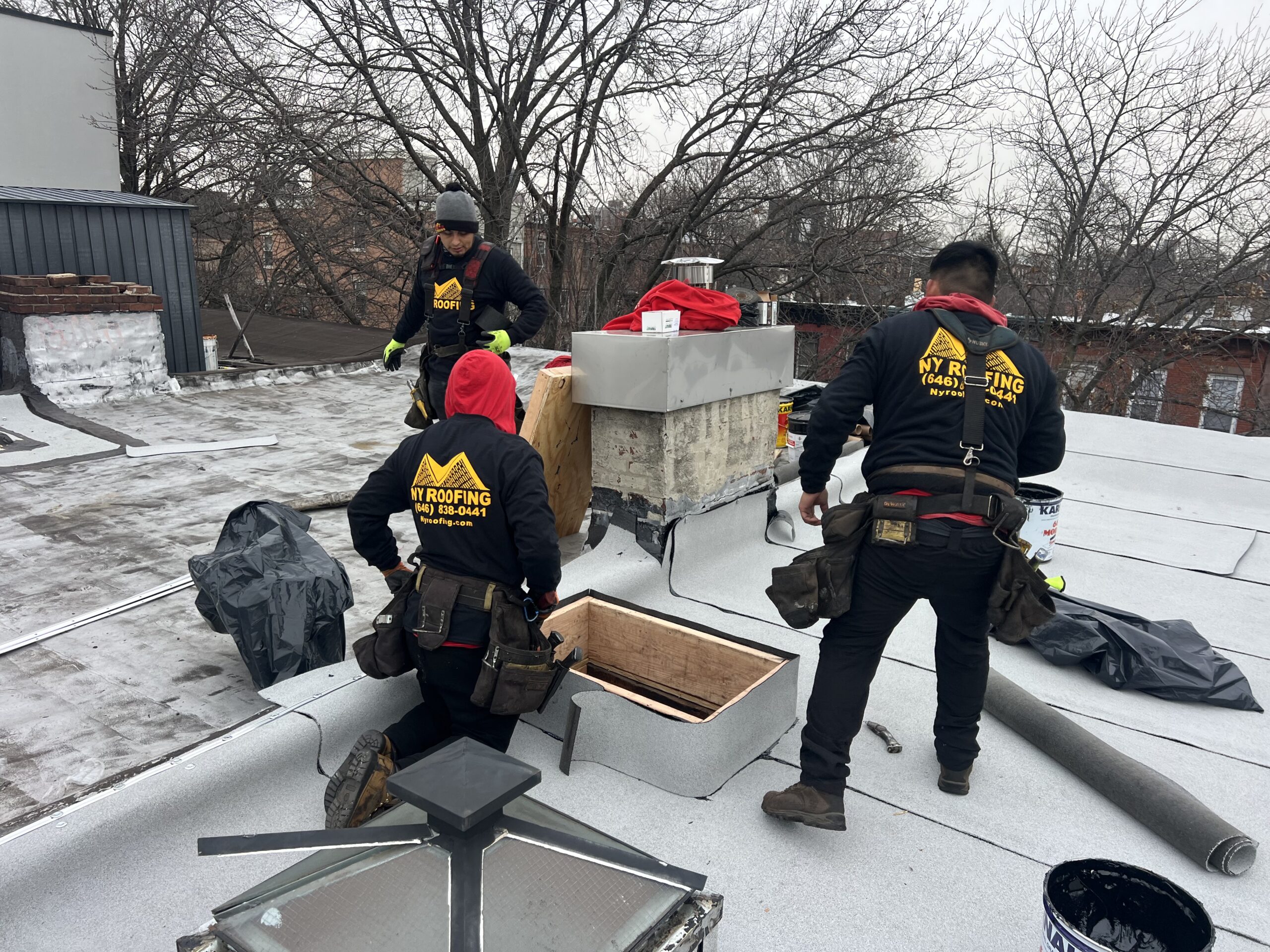
Brooklyn commercial properties often have flat roofs, older roof decks, parapet walls, skylights, drains, HVAC units, vents, and tight surrounding spaces. These features make commercial roofing more complex than a simple pitched roof project.
Many Brooklyn buildings are also mixed-use structures with retail on the ground floor and apartments or offices above. A roofing project must protect both business operations and occupants inside the building.
Space constraints can affect material delivery, debris removal, equipment setup, and crew access. A local contractor understands these challenges and can plan the job without unnecessary disruption.
Risks of Hiring the Wrong Roofing Contractor
Hiring the wrong commercial roofing contractor can lead to poor workmanship, roof leaks, code issues, unsafe job practices, and unexpected costs. A rushed or poorly installed commercial roof may fail before its expected lifespan.
Problems often begin with weak seams, poor flashing, improper drainage, low-quality materials, or missed moisture issues. If a contractor does not understand commercial systems, repairs may only hide the problem temporarily.
Cost overruns can also happen when the estimate is vague. A qualified contractor explains scope, materials, timeline, warranty, and possible hidden issues before work begins.
Types of Commercial Roofing Services You May Need
Commercial buildings need different roofing services at different times. Some properties only need routine inspections and maintenance. Others need urgent leak repair, storm damage service, partial restoration, or full roof replacement.
Experienced commercial roofing contractors should be able to inspect the roof, explain the problem, recommend the right solution, and provide a written estimate. The best commercial roof contractors focus on long-term performance, not just quick fixes.
A building may need a commercial roof repair contractor when leaks, punctures, seam issues, ponding water, or flashing problems appear. A commercial roof replacement contractor may be needed when the roof is too old, severely damaged, or no longer cost-effective to repair.
Commercial Roof Inspection & Preventive Maintenance
Commercial roof inspections help identify small problems before they become expensive damage. A proper inspection should check roof surface condition, seams, flashing, drains, penetrations, skylights, parapet walls, and rooftop equipment areas.
Preventive maintenance is especially important for Brooklyn flat roofs because clogged drains, ponding water, loose flashing, and membrane wear can lead to leaks. Regular maintenance helps extend roof life and reduce emergency repair costs.
A good contractor should provide roof inspection notes, photos, repair recommendations, and a maintenance plan when needed.
Commercial Roof Repair Services
Commercial roof repair services may include roof leak detection, membrane patching, flashing repair, drain repair, seam reinforcement, coating touch-ups, and storm damage repairs. Repairs should match the existing roof system.
A professional contractor should not simply cover the problem without finding the source. Water can travel under roofing materials before showing inside the building, so proper diagnosis matters.
Fast repair is important for businesses because leaks can damage inventory, ceilings, electrical systems, insulation, and tenant spaces.
Commercial Roof Replacement & New Installations
Commercial roof replacement may be needed when the existing roof has widespread damage, wet insulation, repeated leaks, poor drainage, or an expired service life. Replacement is a bigger investment, but it may save money compared with repeated repairs.
New installations should include proper material selection, insulation planning, drainage review, flashing details, and warranty options. A commercial roof replacement contractor should explain whether TPO, EPDM, modified bitumen, PVC, metal roofing, or coating systems fit the property.
The right installation protects the building for years.
Popular Commercial Roofing Systems Used in Brooklyn
Brooklyn commercial buildings use several roofing systems depending on roof slope, structure, budget, energy goals, and building use. Many properties use flat roofing systems because low-slope roofs are common across commercial and mixed-use buildings.
Experienced commercial flat roofing contractors understand membrane systems, drainage, seams, and waterproofing details. Some buildings may also need commercial metal roofing contractors for sloped or industrial roof sections.
Property owners searching for commercial metal roofing contractors near me should compare experience carefully. Commercial metal systems require proper fastening, expansion planning, flashing, and insulation details.
Flat Roofing Systems for Commercial Buildings
Flat roofing systems are widely used in Brooklyn because many commercial buildings have low-slope roofs. Common systems include TPO, EPDM, PVC, and modified bitumen.
TPO is often chosen for reflectivity and energy performance. EPDM is known for flexibility and broad use. Modified bitumen provides asphalt-based durability and layered protection. PVC may be useful for restaurants, food-related facilities, and buildings with chemical or grease exposure.
The best system depends on drainage, roof traffic, budget, and building use.
Metal Roofing for Commercial Properties
Metal roofing can be a strong option for commercial properties with sloped roof sections or industrial-style buildings. It offers durability, weather resistance, and long-term value when installed correctly.
Commercial metal roofs may use steel, aluminum, Galvalume, or other metal panels. They can also include reflective coatings that help reduce heat absorption.
Metal roofing is not always the right choice for every Brooklyn building, but it can work well where the structure, slope, and design support it.
Choosing the Right Roofing Material for Your Business
The right roofing material should match the building’s purpose. A retail building, warehouse, restaurant, apartment building, office, and mixed-use property may all need different roofing solutions.
A contractor should consider roof slope, drainage, rooftop equipment, foot traffic, insulation, weather exposure, and maintenance needs. Material cost matters, but long-term performance matters more.
A good commercial roofing contractor will explain the pros and cons of each system in simple terms so you can make a confident decision.
How to Choose a Good Commercial Roofing Contractor in Brooklyn
Knowing how to choose a good commercial roofing contractor can protect your building from poor workmanship and unexpected costs. The best commercial roofing contractor should be licensed, insured, experienced, organized, and clear in communication.
A dependable roofing contractor Brooklyn property owners can trust should provide written estimates, proof of insurance, local references, project photos, warranty details, and a clear plan for the work.
Commercial roofing projects often involve more risk than small residential jobs. There may be tenants, employees, customers, inventory, rooftop equipment, and business operations to protect. That is why contractor selection should be careful.
Do not choose only by price. A low estimate may leave out important details such as insulation, tear-off, disposal, permits, flashing, drains, safety setup, or warranty coverage. The better choice is usually the contractor who gives clear scope, realistic pricing, and strong documentation.
Verify Licensing, Insurance & Certifications
Before hiring, ask for proof of licensing, liability insurance, and workers’ compensation coverage. Roofing work involves ladders, tools, heights, heavy materials, and property risk. Proper insurance helps protect both the contractor and building owner.
Certifications can also matter. Some roofing manufacturers certify contractors to install specific systems. This may help with warranty options and installation quality.
A professional contractor should provide documentation without hesitation. If a roofer avoids these questions, that is a red flag.
Look for Local Brooklyn Experience
Local Brooklyn experience is important because commercial buildings here often have flat roofs, older structures, tight access, and city-specific challenges. A contractor who regularly works in Brooklyn will understand how to manage these conditions.
Local experience also helps with scheduling, material delivery, cleanup, and communication. Contractors familiar with the area can better plan around busy streets, limited parking, and building access issues.
Ask whether the contractor has completed similar commercial roofing projects nearby.
Evaluate Past Commercial Roofing Projects
Past work tells you a lot about a contractor’s ability. Ask for project photos, references, and examples of similar commercial roofs they have repaired or replaced.
Look for experience with flat roofs, membrane systems, commercial leaks, roof coatings, metal roofing, and maintenance programs. A contractor who mostly handles small residential jobs may not be the best fit for a commercial property.
References can also reveal communication quality, jobsite cleanliness, and follow-up service.
Compare Estimates, Warranties & Timelines
Get written estimates from more than one contractor. Compare the scope, materials, labor, tear-off, disposal, timeline, warranty, and exclusions.
A proper commercial roofing estimate should explain what is included and what may cost extra. It should also describe how hidden damage will be handled.
Warranty terms should be clear. Ask about workmanship coverage and manufacturer material warranties. Also confirm the expected project timeline and how the contractor will reduce disruption to business operations.
Questions to Ask Before Hiring a Commercial Roofing Contractor
Before hiring a commercial roofing contractor, ask direct questions about experience, crew, materials, safety, maintenance, and emergency roofing service. Good contractors answer clearly and do not pressure you into a fast decision.
When searching for commercial roofing contractors near me, many options may appear. The best way to narrow the list is by asking practical questions that reveal how the contractor works.
These questions help you compare professionalism, transparency, and long-term value.
Questions About Experience & Crew
Ask how long the contractor has worked on commercial roofs and whether they have experience with buildings like yours. A flat roof on a retail property is different from a warehouse, restaurant, apartment building, or office.
Ask whether the crew is trained for the roofing system being installed. Also ask who supervises the job and how communication will be handled during the project.
A reliable contractor should explain their process and provide references from similar projects.
Questions About Materials & Installation
Ask which roofing materials they recommend and why. The contractor should explain TPO, EPDM, modified bitumen, PVC, metal roofing, or coatings based on your roof condition.
Ask about insulation, drainage, flashing, seams, and rooftop equipment areas. These details affect long-term performance.
You should also ask whether the material comes with a manufacturer warranty and whether installation must meet specific requirements to keep that warranty valid.
Questions About Maintenance & Emergency Services
Commercial roofs need ongoing care. Ask whether the contractor offers preventive maintenance, seasonal inspections, drain cleaning, leak response, and emergency repairs.
Emergency service matters because a commercial leak can affect tenants, inventory, and operations quickly.
Ask how fast they can respond to urgent issues and whether they provide documentation after repairs. A long-term maintenance relationship can help extend roof life and reduce surprise costs.
Cost Factors for Commercial Roofing Projects in Brooklyn
Commercial roofing cost in Brooklyn depends on roof size, material choice, roof condition, labor, accessibility, drainage, permits, disposal, and project complexity.
Experienced commercial roof contractors should inspect the roof before giving final recommendations. A rough estimate may help with planning, but a detailed written estimate is better for decision-making.
A commercial roof replacement contractor should explain what drives the cost instead of only giving one number. This helps owners compare estimates more fairly.
Roof Size, Design & Accessibility
Roof size is one of the biggest cost factors, but design and access also matter. A large, open roof may be easier to work on than a smaller roof with many obstacles.
Brooklyn buildings can have tight access, limited staging space, parapet walls, rooftop equipment, skylights, vents, and neighboring structures. These conditions can affect labor and setup.
Difficult access can increase time, safety planning, and disposal needs.
Material Selection & Labor Costs
Different roofing materials have different costs. TPO, EPDM, PVC, modified bitumen, metal roofing, and coatings each have different installation methods and labor requirements.
Labor cost depends on roof condition, tear-off needs, insulation replacement, flashing work, and repair complexity. A roof with wet insulation or damaged decking will cost more than a clean roof surface.
The best estimate should clearly explain material and labor details.
Permits, Codes & Compliance in NYC
Commercial roofing projects in NYC may involve building requirements, permits, inspections, safety rules, and compliance needs depending on the project scope.
A qualified contractor should understand how to keep the project aligned with local requirements. This is especially important for commercial properties, mixed-use buildings, and larger roof replacement projects.
Skipping required steps can create problems later. Proper compliance protects the building owner and supports long-term property value.
Benefits of Hiring Local Brooklyn Commercial Roofing Contractors
Hiring Brooklyn commercial roofing contractors gives building owners several practical advantages. Local roofers understand the area, building styles, roof access challenges, and weather patterns.
Local roofing contractors in New York can often respond faster than out-of-area companies. This matters when a roof leak repair affects business operations or tenants. Faster response can reduce damage and help restore normal use sooner.
Local contractors also understand common Brooklyn roofing systems. Many buildings have flat roofs, parapet walls, roof drains, and rooftop equipment. A contractor familiar with these details can provide better inspections and more accurate recommendations.
Communication is usually easier with a nearby contractor. You can schedule inspections, follow-ups, maintenance, and warranty service without chasing a company from outside the area.
Long-term service relationships also matter. A contractor who maintains your roof over time will understand its history, weak points, previous repairs, and future needs. That makes every inspection and repair more effective.
Red Flags to Avoid When Hiring a Commercial Roofing Contractor
Not every commercial contractor roofing service is reliable. Some roofers use low prices, pressure tactics, or vague promises to win jobs without offering real protection.
A trustworthy commercial roofing contractor should provide clear documentation, realistic pricing, and professional communication.
Avoid contractors who refuse written contracts. A commercial roofing project should always include written scope, materials, timeline, payment terms, warranty, and change order details.
Unrealistically low quotes are another warning sign. A very low price may leave out tear-off, disposal, insulation, permits, flashing, or warranty coverage.
No Brooklyn references can also be a concern. If a contractor claims to work locally but cannot show local projects, ask more questions.
Poor online reviews, no physical business information, no insurance proof, and pressure to pay large amounts upfront are also red flags.
Choosing carefully helps avoid leaks, disputes, and failed roofing work.
Conclusion
Choosing the right commercial roofing contractor in Brooklyn is about more than short-term cost savings. It is about protecting your building, tenants, business operations, and long-term investment.
The best commercial roofing contractor should understand Brooklyn’s flat roofs, older buildings, mixed-use properties, weather conditions, access challenges, and local project requirements. They should also provide clear estimates, strong communication, proper insurance, quality materials, and reliable warranty support.
A trusted roofing contractor Brooklyn businesses can depend on will focus on safety, compliance, durability, and return on investment. Whether your building needs repair, replacement, inspection, maintenance, or emergency service, the right contractor can help prevent costly problems and extend roof life.
Our team helps you choose the right roofing solution based on your building, budget, roof condition, and long-term goals. Call NY Roofing today at (646) 838-0441 or visit 553 Prospect Ave., Brooklyn, NY 11215 to schedule your commercial roof inspection and request a detailed written estimate.
Frequently Asked Questions (FAQs)
How do I find reliable commercial roofing contractors near me in Brooklyn?
Start by checking local experience, licensing, insurance, reviews, references, and past commercial roofing projects. Reliable Brooklyn commercial roofing contractors should provide written estimates, clear warranties, project photos, and proof of insurance. Choose a contractor who understands flat roofs, commercial repairs, local access challenges, and long-term maintenance needs.
What is the average lifespan of a commercial roof in Brooklyn?
The lifespan of a commercial roof in Brooklyn depends on the roofing system, installation quality, drainage, maintenance, weather exposure, and roof traffic. TPO, EPDM, PVC, modified bitumen, coatings, and metal systems can all perform well when properly installed and inspected regularly by experienced commercial roof contractors.
Are commercial flat roofs better for Brooklyn buildings?
Commercial flat roofs are common in Brooklyn because many buildings have low-slope structures, rooftop equipment, and limited space. Flat roofs can work very well when the right materials, drainage, flashing, insulation, and maintenance plan are used. The best system depends on the building type and roof condition.
How often should a commercial roof be inspected?
A commercial roof should usually be inspected at least twice a year and after major storms. Inspections help catch open seams, clogged drains, flashing issues, punctures, ponding water, and early leak risks. Regular inspections can extend roof life and reduce emergency repair costs for Brooklyn property owners.