Best Flat Roofing Materials for Brooklyn Properties
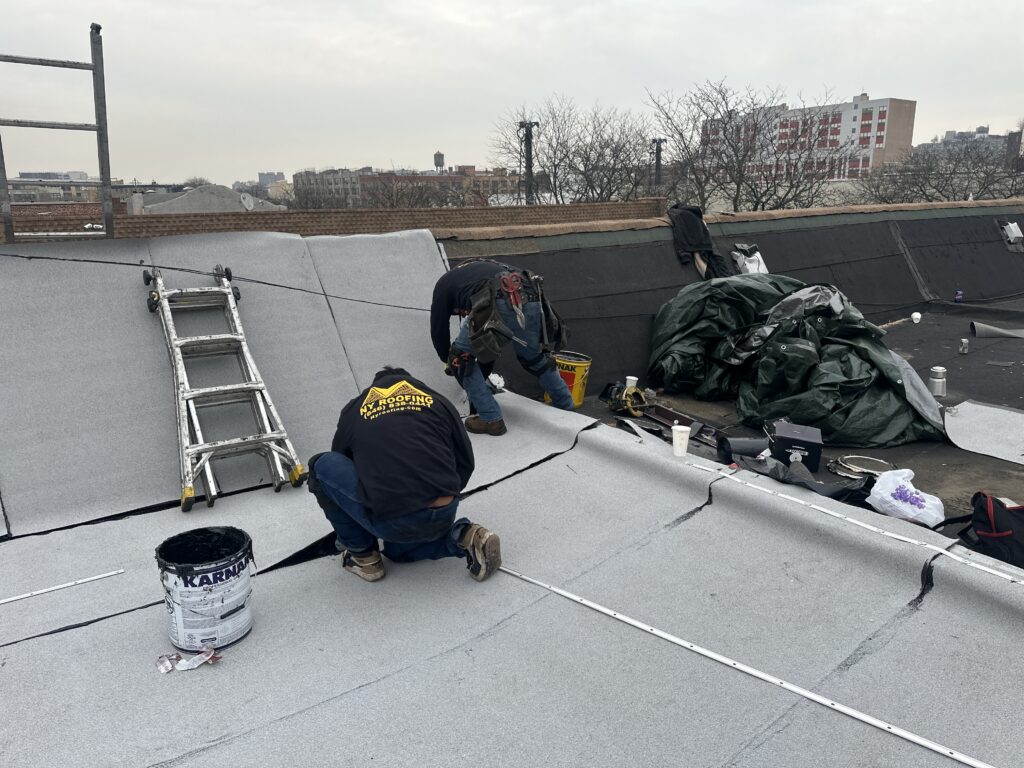
Flat roofs are a common feature across Brooklyn properties, from brownstones and townhouses to apartment buildings and commercial structures. While flat roofing systems offer practical advantages such as space efficiency and modern design, their performance depends heavily on the materials used. Choosing the best flat roofing materials for Brooklyn properties is not just about cost—it’s about durability, weather resistance, and long-term reliability. With New York’s changing climate, including heavy rain, snow, humidity, and temperature fluctuations, selecting the right material is essential to prevent leaks, structural issues, and premature wear. Understanding the most popular flat roofing materials and how they perform in Brooklyn conditions can help property owners make informed decisions and protect their investments. Why Material Selection Matters for Flat Roofs Flat roofs operate differently from sloped roofs, making material selection more critical. Since water does not naturally run off as quickly, flat roofing systems must rely on strong, waterproof materials to prevent moisture penetration. The right material ensures proper drainage, withstands environmental stress, and maintains structural integrity over time. In Brooklyn, where buildings often experience heavy usage and exposure to urban conditions, choosing a reliable roofing material can significantly impact long-term performance. Additionally, different materials offer varying levels of energy efficiency, maintenance requirements, and installation complexity. Selecting the right option depends on the specific needs of the property. EPDM Roofing: A Durable and Flexible Option EPDM (ethylene propylene diene monomer) is one of the most widely used flat roofing materials in Brooklyn. Known for its rubber-like composition, EPDM is highly flexible and can withstand extreme temperature changes. This flexibility makes it particularly effective in Brooklyn’s climate, where freeze-thaw cycles can cause other materials to crack. EPDM is also resistant to UV radiation and weather exposure, allowing it to maintain performance over time. Another advantage of EPDM is its ease of repair. Minor issues can often be fixed without extensive work, making it a cost-effective option for property owners. However, EPDM typically has a darker surface, which can absorb heat. While this may not be a concern for all properties, it is something to consider for buildings looking to improve energy efficiency. TPO Roofing: Energy-Efficient and Modern TPO (thermoplastic polyolefin) roofing has become increasingly popular in Brooklyn due to its energy-efficient properties. Unlike EPDM, TPO has a reflective surface that helps reduce heat absorption, making it an excellent choice for buildings looking to lower cooling costs. TPO roofing systems are known for their heat-welded seams, which create strong bonds and enhance waterproofing. This reduces the likelihood of leaks and improves overall durability. In addition to its energy efficiency, TPO is resistant to UV rays, chemicals, and environmental wear. This makes it suitable for both residential and commercial properties. While TPO offers many benefits, proper installation is crucial to ensure long-term performance. Working with experienced roofing professionals is essential when choosing this material. Modified Bitumen Roofing: Proven Performance Modified bitumen is another common flat roofing material used in Brooklyn properties. It is an asphalt-based system that has been widely used for decades and is known for its durability and reliability. This material is particularly effective for buildings that require strong waterproofing and resistance to heavy foot traffic. Modified bitumen roofs are often reinforced with layers that provide additional strength and protection. One of the key advantages of modified bitumen is its ability to handle harsh weather conditions. It performs well under both high temperatures and cold environments, making it a versatile option for Brooklyn buildings. However, modified bitumen may require more maintenance compared to newer materials. Regular inspections help ensure that the system continues to perform effectively. Comparing Flat Roofing Materials for Brooklyn Properties When evaluating the best flat roofing materials for Brooklyn properties, it is important to consider how each option performs under local conditions. EPDM stands out for its flexibility and long-term durability, making it ideal for properties that experience significant temperature changes. TPO offers energy efficiency and modern performance, making it suitable for buildings looking to reduce energy costs. Modified bitumen provides a traditional and reliable solution with strong waterproofing capabilities. It is particularly useful for buildings that require additional durability. The choice between these materials depends on factors such as building type, budget, and long-term goals. Each material offers unique benefits, and selecting the right one requires a clear understanding of the property’s needs. How Brooklyn Building Types Influence Material Choice Different building types in Brooklyn require different roofing solutions. Brownstones and townhouses often benefit from flexible materials like EPDM, which can adapt to structural changes over time. Multi-family buildings and condo complexes may prioritize durability and energy efficiency, making TPO a suitable option. Commercial properties often require materials that can withstand heavy usage and provide long-term reliability. Understanding the specific requirements of each building type helps ensure that the chosen material delivers optimal performance. Importance of Professional Installation Regardless of the material chosen, proper installation is essential for ensuring long-term performance. Even the best roofing material can fail if it is not installed correctly. Professional roofing contractors understand the unique challenges of Brooklyn properties and can ensure that the roofing system is installed to meet industry standards. Proper installation also reduces the risk of leaks, improves durability, and ensures that the roofing system performs as expected over time. Maintenance and Longevity Each flat roofing material requires regular maintenance to maintain its performance. Routine inspections help identify potential issues early and prevent costly repairs. EPDM and TPO systems are generally easier to maintain, while modified bitumen may require more frequent attention. Regardless of the material, proper maintenance is key to extending the lifespan of the roof. With the right care, flat roofing systems can provide reliable protection for many years, making them a valuable investment for Brooklyn property owners. Conclusion Choosing the best flat roofing materials for Brooklyn properties is a critical decision that impacts the durability, efficiency, and overall performance of the building. EPDM, TPO, and modified bitumen each offer unique advantages, and the right choice depends on the specific needs of the property. By
Best Flat Roofing Materials for Brooklyn Properties Read More »

