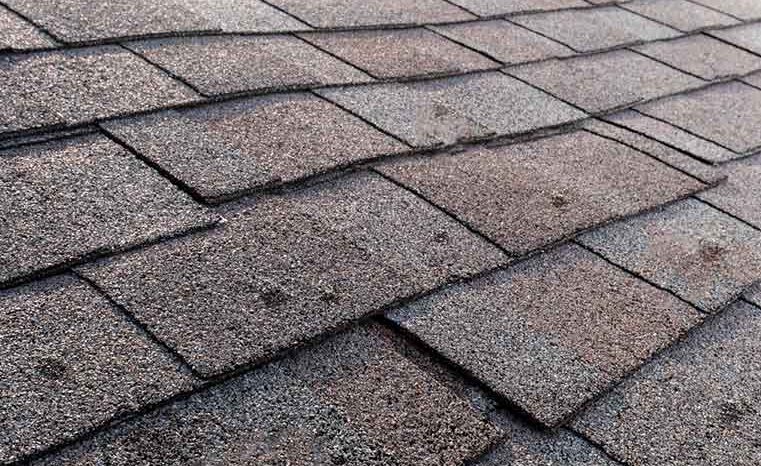
Roof blistering is a common roofing problem that appears as raised bubbles, bumps, or swollen spots on the roof surface. It can happen on asphalt shingles, built-up roofs, modified bitumen systems, and flat roof membranes. Some blisters are minor and cosmetic, while others can weaken the roof and lead to leaks.
Homeowners often notice the issue while looking at roof blistering pictures online or comparing visible spots on their own roof. The early warning signs may include raised shingle bubbles, popped blisters, missing granules, soft roof areas, or surface cracks.
Blistering is often linked to trapped moisture, trapped gases, poor ventilation, manufacturing defects, installation problems, and heat exposure. Preventing it early helps protect roof life, reduce repair costs, and avoid water damage.
What Is Roof Blistering in Asphalt Shingles?
Roof blistering in asphalt shingles happens when small bubbles form beneath or within the shingle surface. These bubbles may stay closed or eventually pop open.
Asphalt shingles are vulnerable because they contain layers of asphalt, granules, reinforcement, and sometimes trapped moisture or gases. When heat builds up, trapped material can expand and push the surface upward.
Blistering may look harmless at first, but popped blisters can expose the inner shingle layer. Once the protective granules are lost, the shingle becomes more exposed to sunlight, rain, and weather damage.
Definition of Roof Blistering
Roof blistering is the formation of raised bubbles on the roof surface. In asphalt shingles, it usually happens when moisture or gases are trapped inside the shingle during manufacturing or flat roof installation.
As the roof heats up, trapped gases or moisture expand. This pressure creates a bubble or blister on the shingle surface. Over time, the blister may remain intact, crack, or pop.
Poor attic ventilation can make the problem worse because excess heat builds up beneath the roof. This increases stress on shingles and may speed up blister formation.
What Does Roof Blistering Look Like?
Roof shingle blistering often looks like small raised spots, bubbles, or bumps on asphalt shingles. Some blisters are round and closed, while others appear as dark exposed spots where the blister has popped.
Intact roof shingle blisters may not immediately expose the shingle mat. Popped blisters are more serious because granules are missing and the protective surface is damaged.
When comparing roof blistering pictures, homeowners should look for clustered raised bubbles, exposed asphalt spots, and areas where shingles look pitted. Blistering is sometimes confused with hail damage, so professional roof inspection is helpful.
Common Roof Blistering Causes
There are several common roof blistering causes, and many of them are linked to trapped moisture, trapped gases, heat, poor installation, or material quality.
Blistering on roof surfaces can happen slowly over time. It may begin as small raised areas and become more visible after repeated heat cycles. In some cases, blisters remain minor. In other cases, they pop, crack, and expose the roof to more damage.
Understanding the cause is important because treatment depends on whether the blistering is cosmetic, moisture-related, installation-related, or widespread.
Poor Manufacturing
Poor manufacturing can cause roof blistering when volatile compounds, moisture, or gases become trapped inside asphalt shingles during production.
If asphalt blends are low quality or the shingle layers do not bond properly, heat can cause trapped material to expand. This creates pressure beneath the surface and leads to blister formation.
Manufacturing-related blisters may appear across multiple shingles or roof sections. If many shingles blister early in their life, homeowners may need to review product warranty options with the manufacturer and roofing contractor.
Poor Ventilation
Poor attic ventilation is one of the most common contributors to roof blistering. When hot air becomes trapped in the attic, the roof deck and shingles can overheat.
Excessive heat can cause trapped gases inside shingles to expand faster. Moisture condensation beneath the roof can also create problems, especially when attic airflow is unbalanced.
A healthy roof ventilation system usually needs balanced intake and exhaust airflow. Intake vents bring in cooler air, while exhaust vents release hot air. Without balance, heat and moisture can build up under the roofing system.
Installation Errors
Installation errors can also lead to roof blistering. Shingles installed over damp decking, wet underlayment, or trapped moisture are more likely to develop problems.
Improper fastening can create stress points. If nails are driven too deep, too high, or at the wrong angle, shingles may not sit properly. Poor alignment, weak underlayment, and rushed installation can also affect performance.
Roof blistering may also happen when roofing materials are installed in poor weather conditions. A dry, stable surface is important for proper roof installation.
Heat and UV Exposure
Heat and UV exposure can make blistering worse over time. Asphalt shingles sit under direct sunlight for years, and heat causes materials to expand and contract.
When trapped gases or moisture are present, heat increases pressure inside the shingle. This pressure can create new blisters or enlarge existing ones.
UV rays can also dry and weaken asphalt materials. Once a blister pops and granules are lost, the exposed area becomes more vulnerable to sunlight, rain, and roof aging.
Types of Roof Blistering by Roof System
Roof blistering can happen on different roofing systems, but the cause and risk level may vary by material. Asphalt shingles, built-up roofs, modified bitumen roofs, and flat roofs can all develop blistering.
The treatment approach depends on the roof system. A blister on a shingle roof is not handled the same way as a blister on a built-up flat roof.
Roof Shingle Blistering
Roof shingle blistering is most common on asphalt roofing. It may appear as small raised bubbles or popped spots where granules have been removed.
Some shingle blisters are only cosmetic if they remain closed and do not expose the shingle mat. However, popped blisters can reduce durability because the protective granule layer is damaged.
If blistering appears across many shingles, the roof should be inspected. Widespread blistering may indicate ventilation issues, material defects, or aging shingles.
Roof Blistering in Built-Up Roofs
Built-up roofs, also called BUR systems, can blister when moisture becomes trapped between roofing layers. Heat causes the trapped moisture or air to expand, forming raised bubbles.
BUR blistering can become serious if the blister cracks or opens. Once water enters, it can spread between layers and weaken the waterproofing system.
Small closed blisters may be monitored in some cases. Larger blisters, growing blisters, or blisters in high-traffic areas should be inspected by a professional roofer.
Roof Blistering in Modified Bitumen Roofs
Modified bitumen roofs can blister when moisture, air, or gases become trapped beneath the membrane or between layers. This may happen during torch-down, cold-applied, or self-adhered installation.
Poor surface preparation, damp insulation, weak bonding, or incorrect application temperature can contribute to blistering. Heat cycles then expand trapped material and raise the surface.
Modified bitumen blisters should be handled carefully. Cutting or opening the blister without proper repair methods can create leaks.
Flat Roof Blistering
Flat roof blistering is common when moisture or air becomes trapped under flat roof membranes or coating layers. Low-slope roofs are especially sensitive because water drains more slowly.
Flat roof blisters may appear on built-up roofing, modified bitumen, coatings, or membrane systems. The risk increases when the roof has poor drainage, wet insulation, trapped moisture, or old repair layers.
Flat roof blistering should be inspected early because blisters can weaken waterproofing and become puncture points.
The Impact of Roof Blistering on Flat Roofs
Roof blistering can be more concerning on flat roofs because flat roofing depends heavily on continuous waterproofing. Any raised, weakened, or cracked area can become a future leak point.
Blisters may weaken the top layer of the roof. If they are stepped on, punctured by debris, or opened by weather, water can enter the roofing system. Once water gets below the membrane, it may spread under the surface.
Flat roof blisters also create maintenance challenges. They can make the surface uneven and more vulnerable to foot traffic. Rooftop equipment technicians may accidentally damage blisters while walking across the roof.
Over time, repeated heat, rain, and UV exposure can cause blisters to grow or split. This may lead to wet insulation, decking damage, mold concerns, and higher repair costs.
For flat roofs, early inspection is important. Not every blister needs immediate repair, but every blister should be evaluated based on size, location, roof age, and whether it is active or stable.
Roof Blistering vs Hail Damage
Roof blistering vs hail damage can be confusing because both may create spots, marks, or damaged areas on shingles. However, they are different problems with different causes.
Blistering usually comes from trapped moisture, gases, heat, or shingle defects. Hail damage comes from impact. Knowing the difference matters because insurance claims, roof repairs, and warranty decisions may depend on correct identification.
Visual and Texture Differences
Blisters are usually raised, bubble-like, and sometimes soft before they pop. When they open, they may leave small exposed spots on the shingle surface.
Hail damage often looks like dents, bruises, or impact marks. It may include granule loss, circular marks, and damage where hailstones hit the roof.
Blisters often develop over time. Hail damage usually appears after a storm. A professional roofer can inspect texture, pattern, granule loss, and surrounding damage to determine the cause.
Pattern Recognition
Pattern is one of the main clues. Roof blistering may appear in clusters across shingles or in areas exposed to heat stress. The spots may be somewhat consistent in size and shape.
Hail damage is often more random. It may appear on different roof slopes, gutters, vents, siding, or other exposed surfaces. If hail hit the roof, there may also be dents on metal flashing, vents, or gutters.
Because roof blistering vs hail damage is easy to misread, homeowners should not rely only on photos. A roof inspection gives a more accurate answer.
Should You Be Concerned About Roof Blistering?
Roof blistering is not always an emergency, but it should not be ignored. The seriousness depends on whether the blisters are intact, popped, widespread, or causing leaks.
Some roof blistering is cosmetic and does not immediately reduce roof performance. Other blistering can weaken shingles or flat roof membranes and lead to water intrusion.
Cosmetic vs Structural Blistering
Cosmetic blistering usually means the blister is closed, small, and not exposing the inner roof material. These blisters may be monitored during routine inspections.
Structural or performance-related blistering is more serious. If blisters pop open, crack, expose the mat, or appear across a large roof area, the roof may be losing protection.
On flat roofs, blisters near seams, drains, flashing, or high-traffic areas are more concerning. These areas already carry higher leak risk.
Impact on Roof Lifespan
Roof blistering can reduce roof lifespan when it exposes the inner material to sunlight and water. Asphalt shingles depend on granules to protect the surface. Once granules are missing, the exposed area can age faster.
Blistered flat roof membranes can also weaken over time. If blisters split or are punctured, moisture can enter the roof assembly.
The earlier blistering is identified, the easier it is to prevent larger damage. Regular inspections help determine whether monitoring, repair, or roof replacement is needed.
What Causes Roof Blistering and How to Prevent Them
Roof blistering is caused by trapped moisture, trapped gases, poor ventilation, poor manufacturing, installation mistakes, heat, and UV exposure. It is common in asphalt shingles and flat roofing systems because both can trap air or moisture beneath the surface.
Early warning signs include raised bubbles, popped spots, missing granules, cracked roof surfaces, and soft areas. Homeowners often compare these signs with roof blistering pictures, but a professional inspection is better for diagnosis.
Prevention starts with proper ventilation, dry roof installation, high-quality materials, and routine maintenance. For flat roofs, proper drainage and moisture control are also critical.
The goal is to stop heat and moisture from creating pressure inside the roof system. A well-installed, well-ventilated, and regularly inspected roof is less likely to develop serious blistering.
Roof Blistering Treatment Options
Roof blistering treatment depends on roof type, blister size, roof age, and whether the blister is intact or open. Not every blister needs immediate repair, but every blister should be monitored.
The phrase roof blisters cause and cure is often searched by homeowners looking for a simple fix. The truth is that the “cure” depends on the cause. Ventilation issues, defective shingles, trapped moisture, and poor installation require different solutions.
Monitoring Minor Blisters
Minor roof blisters may not require immediate action if they are small, closed, and not leaking. A roofer may recommend monitoring them during seasonal inspections.
Homeowners should avoid walking on blistered areas. Foot pressure can pop the blisters and expose the material beneath.
Monitoring should include photos, location notes, and follow-up inspections. If the blisters grow, crack, or open, repair may be needed.
Shingle Repair or Replacement
If roof shingle blisters have popped and exposed the shingle mat, localized repair may be possible. A roofer may replace affected shingles while checking surrounding areas.
Repairing only the damaged shingles may work if the problem is limited. However, widespread blistering may indicate a larger issue with ventilation, material quality, or roof age.
Shingle replacement should match the existing roof as closely as possible. Flashing, underlayment, and ventilation should also be checked during repair.
Professional Roof Repair
Professional roof repair is needed when blistering becomes widespread, active, leaking, or located near critical roof areas. Flat roof blistering especially needs expert evaluation.
A roofer may repair open blisters, replace damaged membrane sections, improve drainage, address wet insulation, or recommend partial replacement.
For severe blistering, coating or patching may not be enough. If the roof system is failing, full replacement may be the better long-term solution.
How to Prevent Blistering on Roof Shingles
Preventing roof blistering begins before installation and continues through roof maintenance. The main goal is to reduce heat buildup, moisture problems, and material stress.
Good prevention includes proper ventilation, quality materials, dry installation conditions, and professional workmanship.
Improve Roof Ventilation
Balanced ventilation helps reduce heat and moisture buildup under the roof. This is especially important for asphalt shingles.
A good ventilation system should include both intake and exhaust airflow. Intake vents allow cooler air to enter, while exhaust vents release hot, moist air from the attic.
Poor ventilation can cause attic heat to rise and stress shingles from below. It can also create condensation problems. Improving ventilation may help reduce future roof shingle blistering.
Use High-Quality Roofing Materials
High-quality roofing materials are less likely to suffer early failure. Homeowners should choose shingles from reputable manufacturers and review warranty terms carefully.
Low-quality asphalt blends or poorly made shingles may be more vulnerable to blistering. Materials should also match the climate and roof design.
For flat roofs, choose membranes, underlayments, and flat roof insulation systems that are compatible with the building. Proper material selection helps reduce trapped moisture and surface damage.
Ensure Proper Installation
Proper installation is one of the best ways to prevent roof blistering. Shingles should be installed over dry decking and underlayment. Flat roof systems should be installed over clean, dry, stable surfaces.
Certified or experienced installers understand fastening, ventilation, flashing, drainage, and material handling. They also know when weather conditions are not suitable for installation.
Rushed installation can trap moisture and create future blistering problems. Hiring a professional roofer helps protect the roof from avoidable defects.
Do You Have Blisters on Your Roof?
If you think your roof has blisters, start with a safe ground-level inspection. Do not climb onto the roof unless you have proper training and equipment.
Look for visible raised bubbles, popped spots, missing granules, uneven roof surfaces, or soft-looking areas. You may also see dark spots where shingle granules have worn away.
Call a roofing professional if you notice:
- Raised bubbles or bumps across several shingles
- Popped blisters with exposed asphalt or matting
- Blistering near roof valleys, flashing, or vents
- Flat roof bubbles that feel soft or raised
- Leaks, stains, or moisture inside the home
- Blisters that appear after recent roof installation
Timely action can prevent small roof blisters from becoming leaks. A professional can determine whether the issue is cosmetic, repairable, or a sign of deeper roof failure.
Clarifying Common Search Confusion
Some people search for terms like “white blisters in roof of mouth” or “blisters on roof of mouth” when looking for medical information. These terms are not related to roofing.
In roofing, roof blistering refers to raised bubbles or damaged spots on shingles, flat roofs, built-up roofs, and modified bitumen systems.
Medical blisters in the mouth involve health symptoms and should be discussed with a medical professional. Roofing blisters involve building materials and should be inspected by a qualified roofer.
This clarification matters because search terms can overlap. If you are researching roof problems, focus on roofing terms such as roof shingle blistering, flat roof blistering, roof blistering treatment, and roof blistering vs hail damage.
Conclusion: Protect Your Roof from Blistering
Roof blistering can happen on asphalt shingles, built-up roofs, modified bitumen systems, and flat roofs. It is often caused by trapped moisture, trapped gases, poor ventilation, installation errors, manufacturing issues, heat, and UV exposure.
The best prevention includes balanced ventilation, high-quality materials, dry installation, professional workmanship, and regular roof inspections. Flat roofs also need strong drainage and moisture control.
Need help with roof blistering issues? NY Roofing provides professional roof inspections, shingle repair, flat roof repair, and expert roof blistering treatment in NYC. Call (646) 838-0441 or visit 553 Prospect Ave., Brooklyn, NY 11215 to schedule your roof inspection today.
FAQs About Roof Blistering
What causes roof blistering?
Roof blistering is usually caused by trapped moisture, trapped gases, poor attic ventilation, manufacturing defects, installation errors, heat, and UV exposure. On flat roofs, blistering can also happen when air or moisture becomes trapped between roof layers or beneath roof coatings.
Is roof blistering a manufacturing defect?
Roof blistering can be a manufacturing defect when moisture, gases, or volatile compounds are trapped inside asphalt shingles during production. However, blistering may also come from poor ventilation, damp installation surfaces, heat exposure, or roof system problems. A professional inspection can help identify the likely cause.
Can blistered shingles cause leaks?
Blistered shingles can cause leaks if the blisters pop, expose the shingle mat, or allow water to reach vulnerable layers. Small closed blisters may be cosmetic, but popped or widespread blistering can reduce roof protection and should be inspected by a roofer.
How do I fix roof blistering?
Roof blistering treatment depends on roof type and damage severity. Minor closed blisters may only need monitoring. Popped shingle blisters may require shingle replacement, while flat roof blisters may need membrane repair, moisture correction, drainage improvement, or professional roof restoration.
Can roof blistering be prevented?
Roof blistering can often be reduced by using quality materials, installing roofing over dry surfaces, improving attic ventilation, maintaining proper drainage, and scheduling regular inspections. Professional installation is important because trapped moisture, poor fastening, and weak seams can increase blistering risk.